
Three more cities have been recognised for their commitment to climate-neutral and smart city transformation by 2030, bringing the total awarded across Europe to 106 and marking an important geographic milestone.
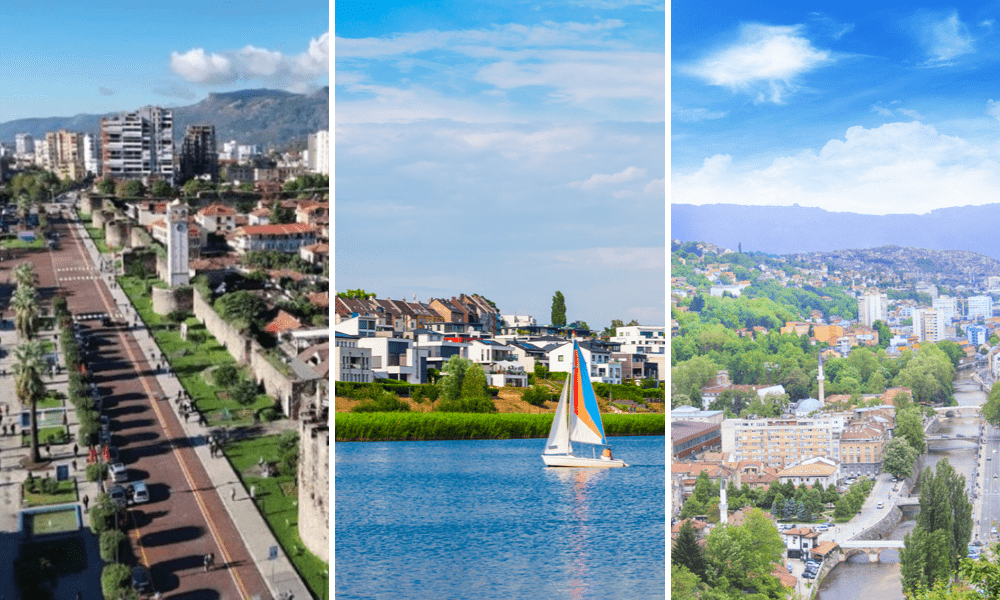
The city of Dortmund joins other German Mission Cities as a recipient of the EU Mission Label, while Sarajevo Functional Urban Area (City of Sarajevo, City of East Sarajevo, and Sarajevo Canton) in Bosnia and Herzegovina and Elbasan in Albania become the first recipients in the Western Balkans, expanding climate action and ambition further across Europe.
What the label recognises
The EU Mission Label acknowledges cities that have successfully developed their Climate City Contract, a strategic document co-created with citizens and local stakeholders that outlines core commitments, action plans and investment strategies. NetZeroCities, the consortium managing the EU Cities Mission Platform, provides expert support throughout this process.
With the label, cities gain access to critical support including:
- The Climate City Capital Hub, connecting cities with public, private, and philanthropic investors
- European Investment Bank advisory services and a dedicated €2 billion lending envelope
- Enhanced visibility and credibility for their plans to attract investment
Of the 112 cities participating in the Mission, 106 have now received a label, with 3 awarded this time, 10 awarded in October 2023, 23 in March 2024 , 20 in October 2024 and 39 in May 2025, and 11 in October 2025.
Three approaches to climate action
Each city brings its own innovative strategy:
- Elbasan fosters agro-solar systems and geothermal energy, linking renewable energy with agriculture and buildings through a cross-sectoral approach.
- Dortmund promotes community-driven renewable energy initiatives, from balcony solar systems to citizen cooperatives, while advancing circular solutions such as second-life photovoltaic panels and storage.
- Sarajevo strengthens local democracy through citizen assemblies, which are integrated into its climate city contract, and complemented by energy-community initiatives and actions targeting vulnerable groups.
Read more here about how Mission Cities are innovating – not only with technology, but with financial tools and how they engage citizens – to reach their climate goals.