Author: Barbara Jarkiewicz
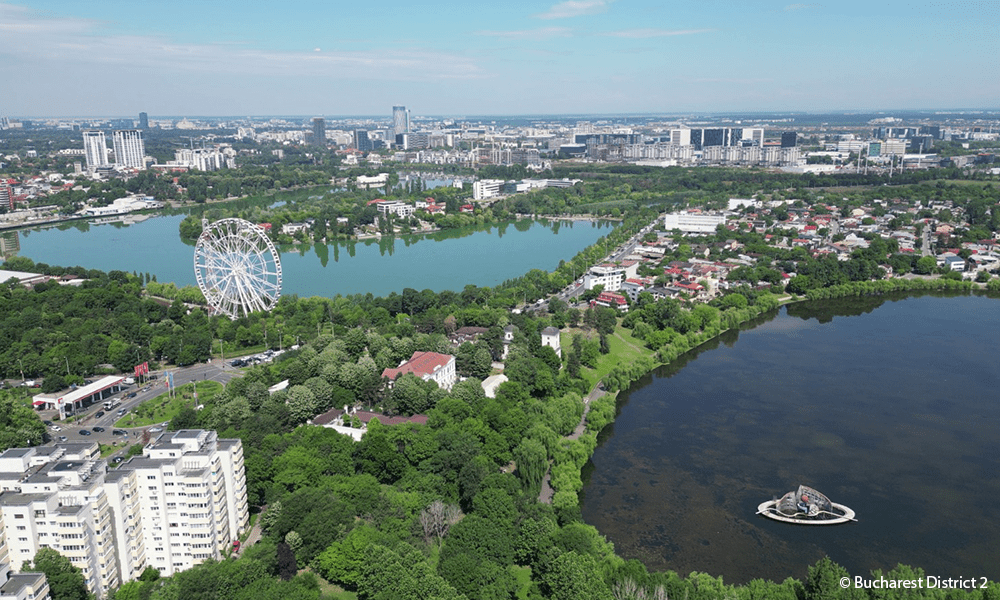
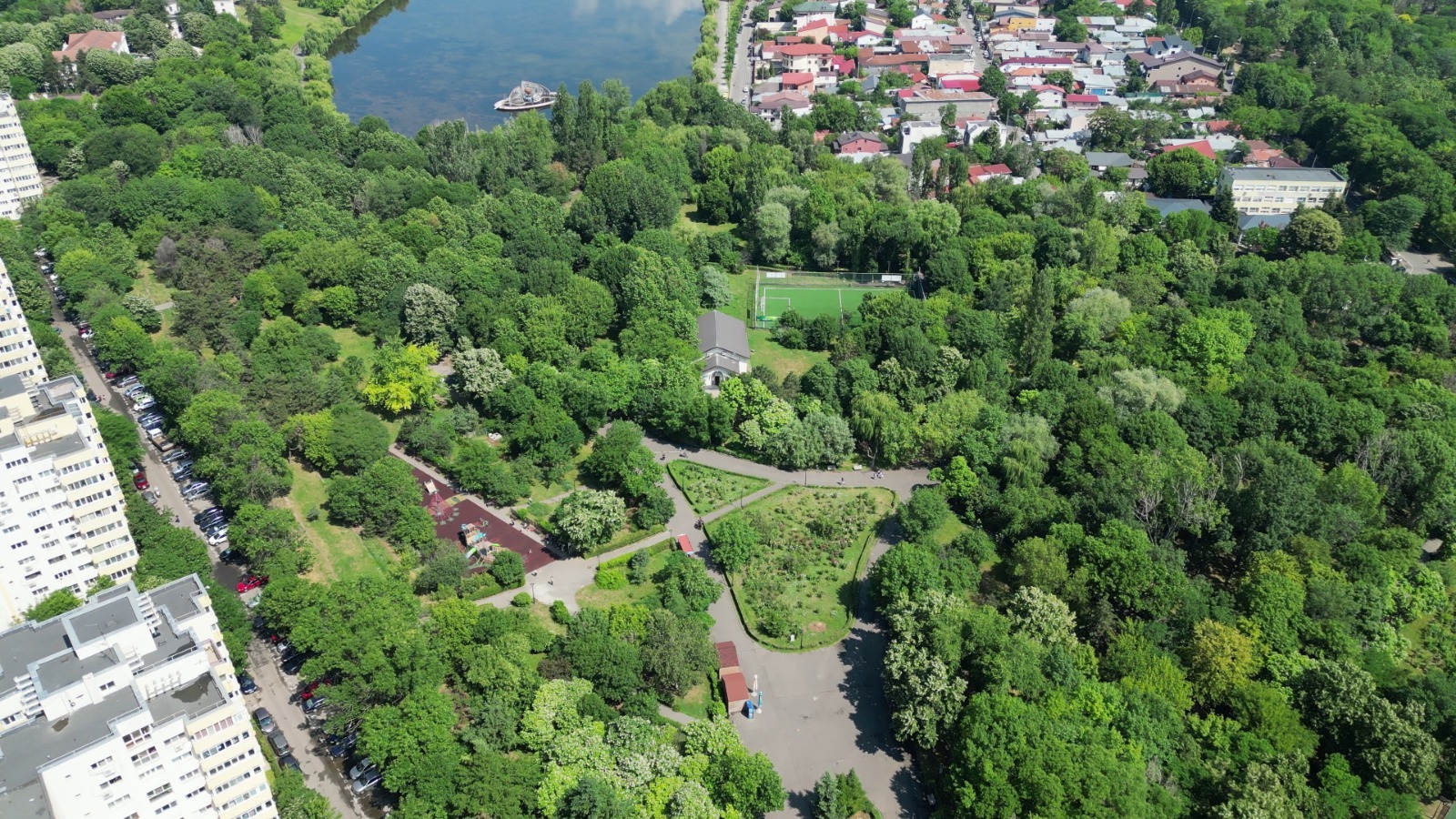
On a warm afternoon in Tei neighbourhood, in Bucharest’s District 2, the city feels like many other capitals in Europe. Traffic crawls along busy roads, tower blocks face Lake Tei — one of the six lakes that form a chain across the district – and students hurry across the campus of the Technical University of Civil Engineering.
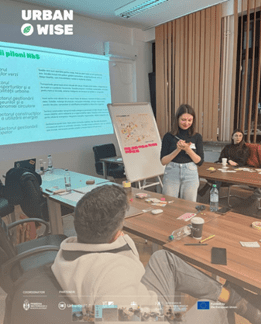
Not far away, the atmosphere is different. Inside a nearby hall, long tables are covered with maps, tracing paper and markers. Residents, students, planners, NGO staff and municipal officials sit together in mixed groups. They talk about how climate change is showing up in their neighbourhood and what could be done to tackle it.
This gathering is the CityMakers Lab, a co-design session organised under UrbanWise, the district’s project within the NetZeroCities Pilot Cities Programme. For a few hours, the people who live, work and study in Tei explore problems on the ground and sketch nature-based solutions that can be tested in real conditions.
© Bucharest District 2 / Pilot Cities Programme
A district in continual transformation
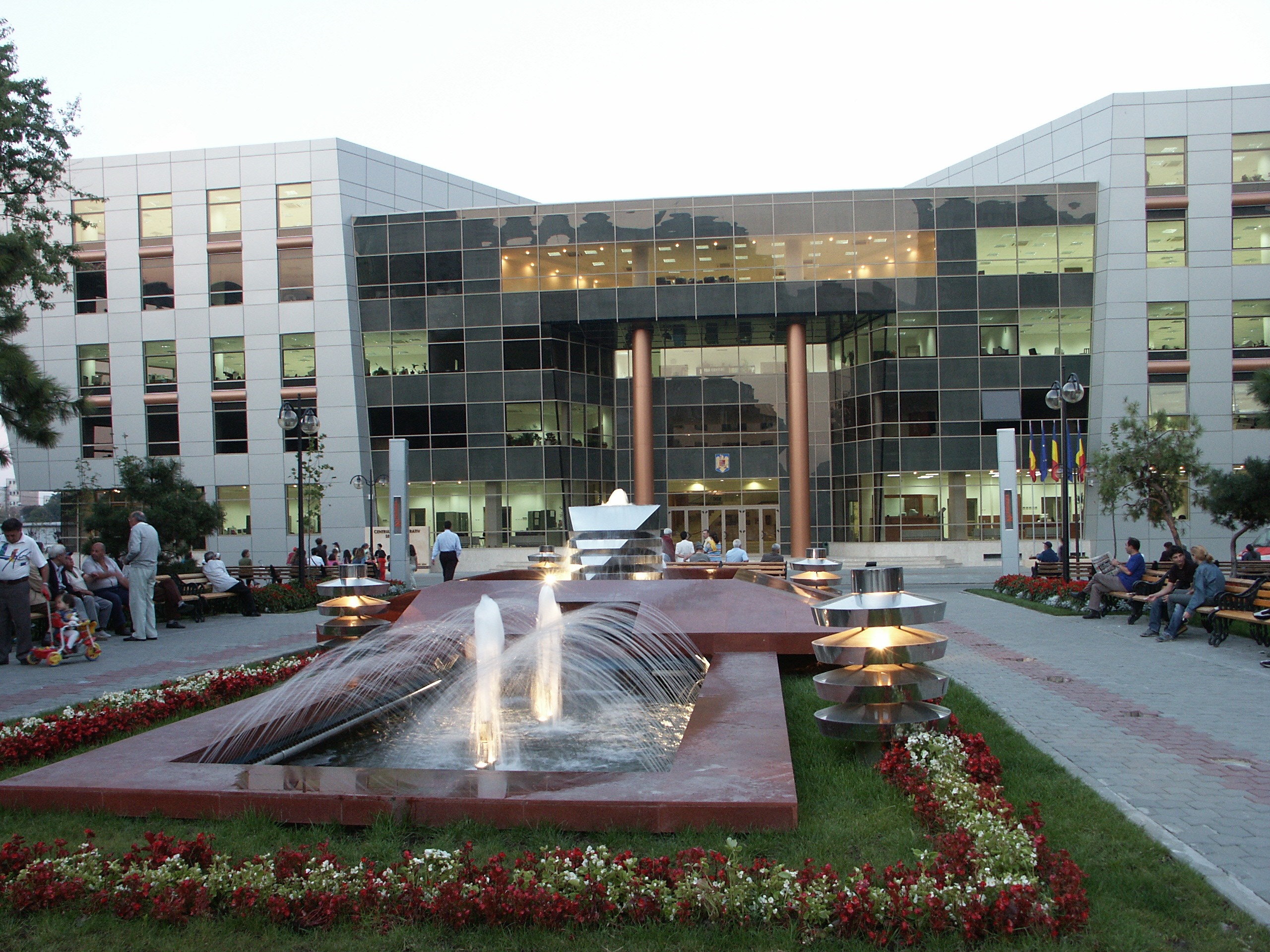
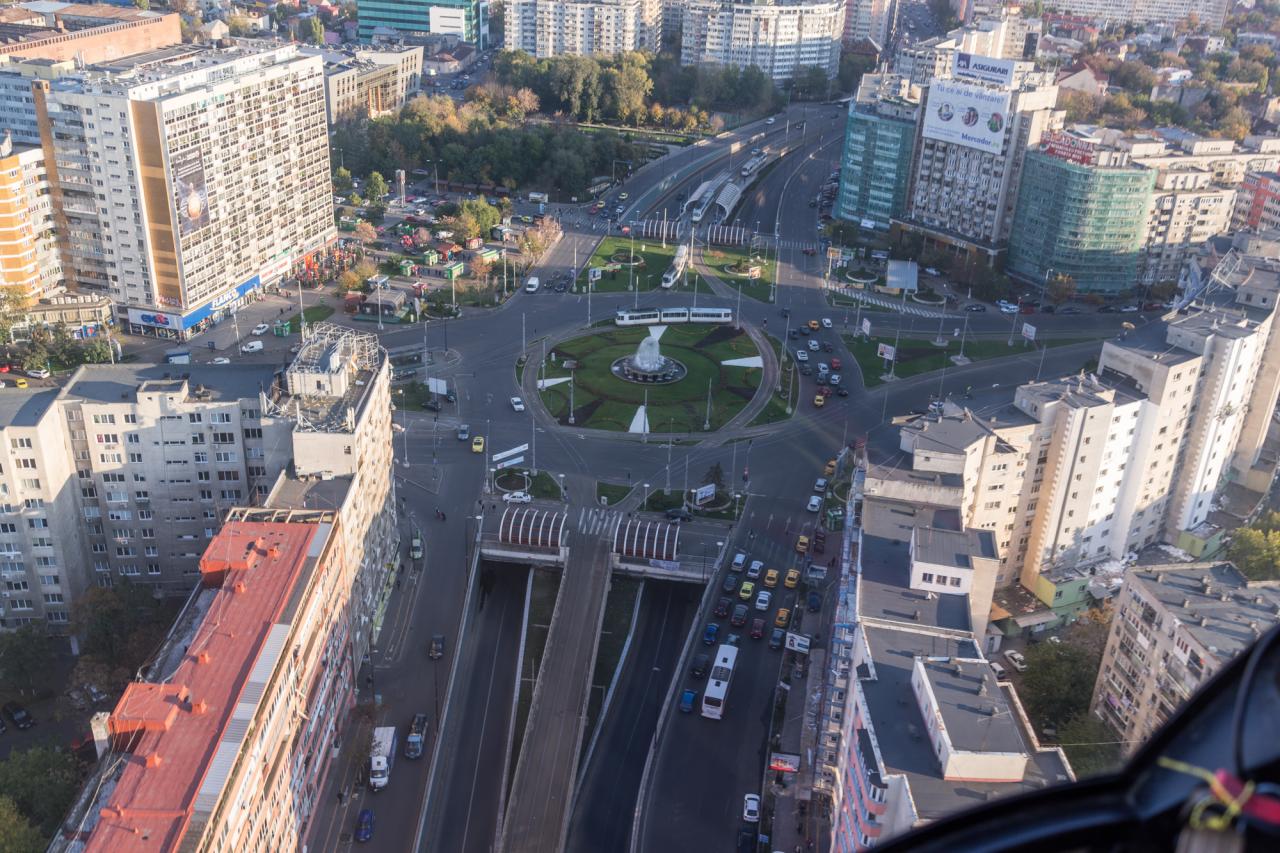
Sector 2 is a place where dense housing estates sit next to older neighbourhoods and new commercial areas, all wrapped around lakes such as Tei, Plumbuita and Pantelimon. Over the past years, the local authority has put a lot of emphasis on visible improvements, like the renovation of schools and kindergartens, modernising parks and public spaces and expanding digital public services.
© Bucharest District 2
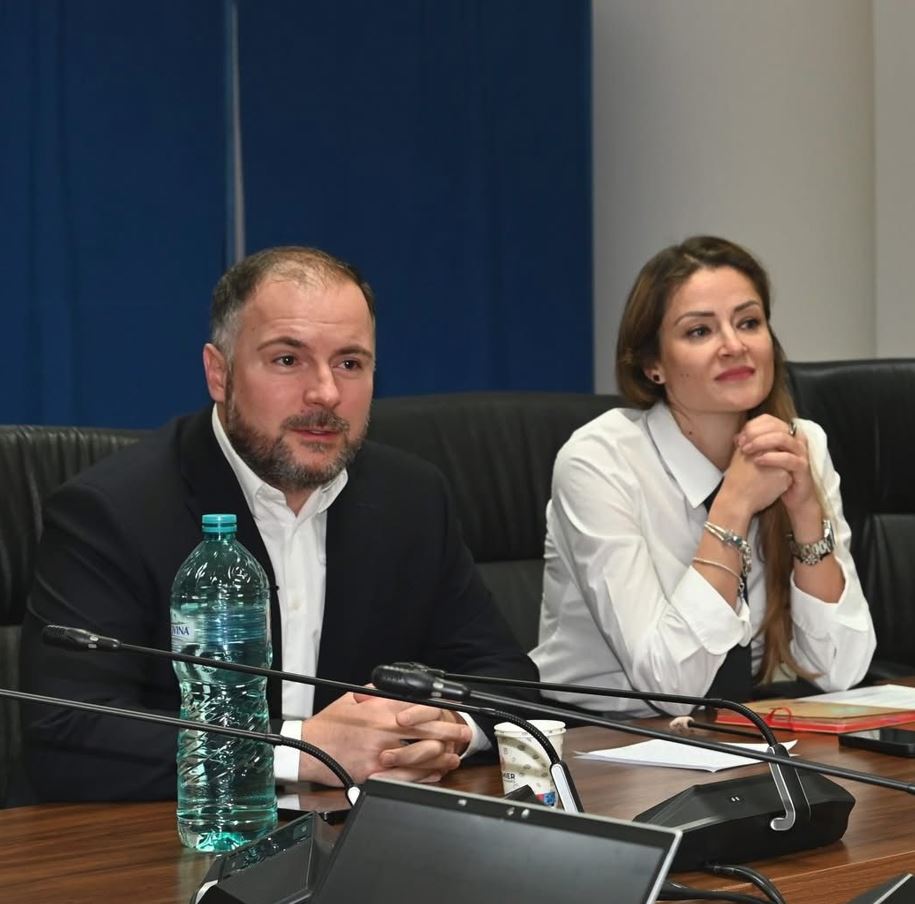
“The district is characterised by a long-standing emphasis on green areas, community-oriented development, and sustainable urban solutions, combined with a growing focus on accessibility, safety, and inclusion. Local projects are expected to strengthen communities and improve residents’ quality of life in a measurable and lasting way, not simply deliver new infrastructure,” said Cosima Cristea, Director of Strategy and European Funds Directorate, at Bucharest’s District 2 City Hall.
At the same time, Sector 2 carries a large share of Bucharest’s environmental burden. Road traffic pollution pushes PM10 (inhalable particles smaller than 10 micrometres in diameter) above legal limits. Less than 1.5 per cent of waste was sorted between 2015 and 2021. Personal vehicles contribute to over 60 per cent of local air pollution, while buildings account for 58 per cent of energy consumption in the district. Green areas per person are still limited, just as heatwaves and extreme weather become more frequent.
Within the EU Cities Mission, Bucharest and its districts are expected to turn those pressures into a pathway. “Our Sector 2 actively contributes to Bucharest’s road towards climate neutrality by 2050, while supporting more ambitious interim targets for 2030. At district level, that means work on promoting sustainable mobility, integrating nature-based solutions into urban regeneration projects, strengthening local climate governance, and reducing energy demand in public buildings,” said Cristea.
Why Sector 2 joined the Pilot Cities Programme
Many of those intentions were already written into strategies and plans. The Pilot Cities Programme offered something different. According to Cristea, it provided flexibility to experiment beyond traditional funding instruments, strong methodological support, and access to a community of cities facing comparable structural and governance challenges.
The city’s main interest lies in the programme’s focus on systemic innovation and intersectoral collaboration, especially in testing new governance models, decision-making processes, and implementation mechanisms at local level.
“Instead of treating climate policy as a single file inside city hall, the city saw the pilot as a way to approach it as a systemic transformation that cuts across sectors and administrative silos,” said Cristea
What UrbanWise is changing on the ground
UrbanWise is the concrete expression of this shift. It focuses on urban regeneration with measurable climate impact, combining nature-based solutions, community engagement, and integrated planning approaches at neighbourhood level.
“The aim is to embed climate adaptation and mitigation into everyday interventions rather than treating them as special or experimental projects,” said Cristea.
The work is structured across three layers. On the social layer, UrbanWise looks at the needs and relationships between citizens, the administration, and public spaces. The project team develops a digital platform for carbon footprint assessment and sustainable behaviour change.
A series of workshops, from Climate Fresco and Food Fresco to Compost Loop, invites residents to explore how energy use, food choices and waste affect emissions and local environmental quality. The city also plans a “Carbon-Neutral Festival” to give these ideas visibility and to draw new audiences into the conversation.
On the spatial layer, the pilot focuses on inclusive Green Public Spaces and Sustainable Transportation in a specific area between the Tei campus and Gymnasium School No. 31. This corridor is treated as a live laboratory where solutions can be tested and monitored.
“During the CityMakers Lab, participants analysed the current challenges, discussed international and local examples, and proposed ideas that can be tested and scaled with potential for expansion across the entire sector,” said Cristea. The proposals include shade from vegetation, better pedestrian routes, water retention measures, more accessible public spaces and more.
© Bucharest District 2
The Green Campus Ideas Competition, run by Climato Sfera, adds another layer of experimentation. Students came together to propose sustainable and creative solutions to transform the UTCB campus into a more open and community-friendly space. Winning teams such as Art Eco and Green Space suggested green pergolas, rainwater collection, and material reuse, natural wooden platforms and solar lighting.
On the organisational layer, UrbanWise is building the city’s institutional muscle. Within the project, the Climate Neutrality Ambassadors Training Programme was set up for civil servants from different departments.
“It included both theoretical and practical modules in areas such as sustainable urban planning, green mobility, waste management, and decarbonisation, and aims to create an administrative team prepared to implement green transition solutions,” said Cristea. In parallel, a sustainable development strategy with detailed governance guidelines is being written so that successful approaches become standard practice.
The pilot work involves close coordination between municipal departments, continuous dialogue with local stakeholders, data collection and monitoring of key indicators, and regular adjustments of activities based on real-life constraints and feedback from the ground. “This hands-on approach allows us to bridge the gap between strategic objectives and practical implementation,” said Cristea.
Multiple actors to drive the change
UrbanWise was designed as a collaborative effort. The project brings together a broad range of stakeholders, each contributing at a different level of the process.
© Bucharest District 2 / Mayor and Cosima Cristea
Local authorities and public institutions are responsible for coordination, decision-making, and integrating the pilot activities into existing policies and administrative procedures.
Technical experts and academia support the project through research, data analysis, and the development of methodologies that help assess climate impact and inform evidence-based decisions. NGOs and community organisations play a key role in engaging residents, facilitating dialogue at neighbourhood level, and ensuring that proposed solutions respond to local needs and are socially accepted.
Citizens are involved both as end users and as active contributors, providing feedback that helps refine interventions and validate solutions in real-life conditions. International partners add value by sharing knowledge, good practices, and comparative perspectives. Cristea sums it up simply:
“The project’s success relies on this collaborative approach, which enables us to combine technical expertise, local knowledge, and institutional capacity into a coherent and effective pilot.”
First lessons and what other cities can learn
Several early insights stand out. The team has been positively surprised by the level of interest and openness shown by local communities, as well as by their willingness to engage constructively when given clear information and a real opportunity to contribute.
Internally, the complexity of internal coordination across departments proved more demanding than anticipated, which underlines the importance of clear roles, shared objectives, and continuous communication. Pacing has also been an unexpected challenge.
“One aspect we did not fully anticipate was how critical pacing would be: moving fast enough to maintain momentum and credibility, while allowing sufficient time for co-creation, learning, and adjustment,” said Cristea.
For her, the wider message of the Pilot Cities Programme is about the role of local administrations. Participation reinforces Sector 2’s commitment to actively contributing to Bucharest’s climate transition and to translating ambitious objectives into concrete local action. It shows that when local authorities are given the right framework, flexibility, and support, they can move beyond compliance and become active partners in shaping climate-neutral and resilient cities.
© Bucharest District 2
Back in Tei, that process looks very concrete. It is students arguing about the best place for a pergola, parents tracing their children’s route to school across a map, and engineers sketching how rainwater might be collected instead of lost. For other cities and European officials watching, the signal is clear. Climate neutrality is being built in moments like these, where a pilot programme gives a district permission to experiment and residents are invited to help redraw their own streets.
Watch these videos (in Romanian) developed as part of the Pilot Cities Programme Activity:
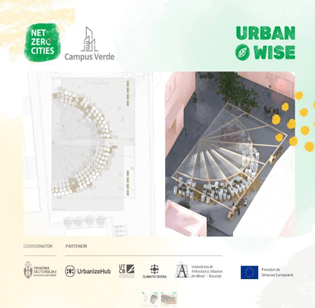
© Bucharest District 2 / Pilot Cities Programme Green Campus
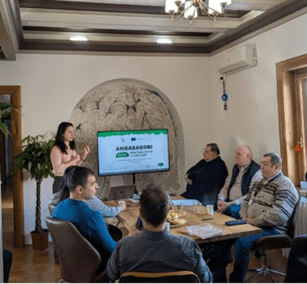
© Bucharest District 2 / Climate Ambassadors
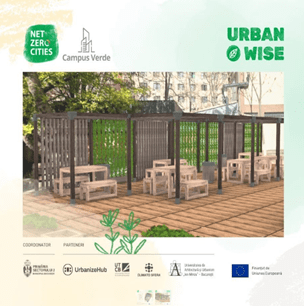
© Bucharest District 2 / Pilot Cities Programme Green Campus