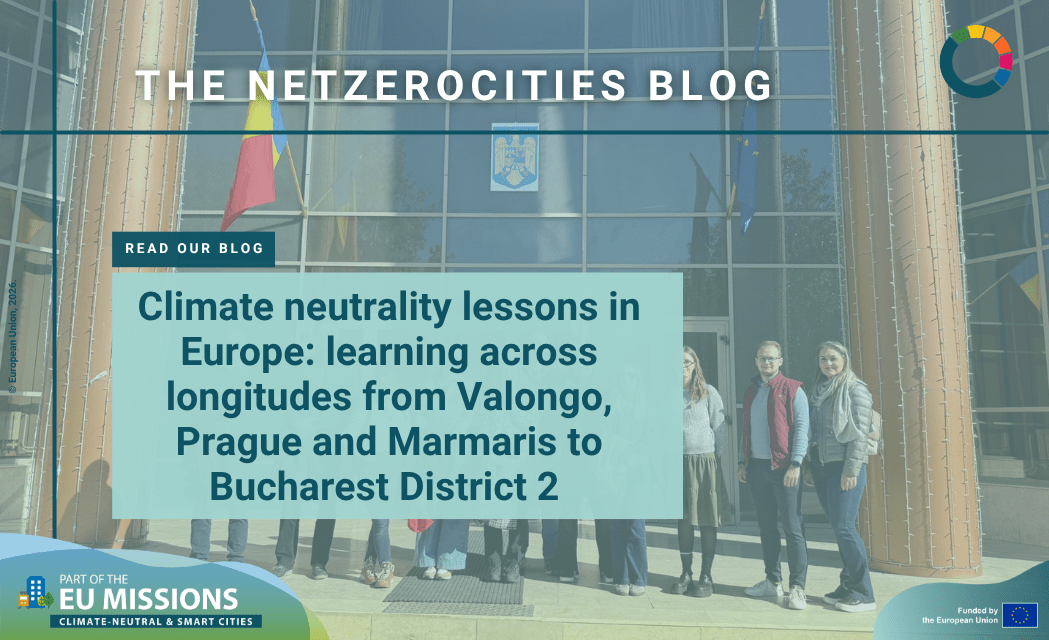
Prague, Marmaris, and Valongo are separated by thousands of kilometres but have common sustainability and climate problems. To gain insight on energy projects, nature-based solutions, transport, and more, they met with counterparts in Bucharest District 2 to hear what the city is doing in these areas and – since no city has all the answers – to offer their own insights.
By Alan MacKenzie
What’s the best route to a place no one has been before?
It’s not a trick question, but one that ambitious cities are asking themselves every day.
As they work to decarbonise and bring citizens and stakeholders with them, there will be as many answers as there are cities when it comes to reaching their climate goals. But isn’t the best strategy in all fields learning from the expertise of others?
Part inspiration, part perspiration – lessons from city ambition
There’s a “strong enthusiasm” among cities to learn from each other, particularly because they face common challenges, says Chiara Cecchin from Eurocities, who facilitates city peer-learning programmes delivered through the EU Cities Mission.
Challenges include funding constraints and how the authority is organised internally, and the cities also equally recognise that involving stakeholders and citizens from the first stages of decision-making “is a real asset.”
Across Europe, there is no shortage of innovation or inspiration cities can draw from leading peers – and cities with their own experience who want to grow it.
Consider Valongo: a city of 95,000 people in the north of Portugal that received the European Green Leaf award in 2021 and is committed to achieving climate neutrality by 2050. Via its Tiny Forests Network and Every Street with a Tree projects, it is increasing green space in the city to capture carbon and reduce the effect of heatwaves. Likewise, the development of ‘green corridors’ as both environmental and mobility projects, such as the one following the banks of the river Leça, offer walking and biking alongside revitalised nature areas.
Or Marmaris, a similar-sized coastal city in the south-west of Turkey that attracts hundreds of thousands of tourists with its access to both mountains and sea – but exposure to heatwaves, flash floods, forest fires, and coastal erosion makes climate action an urgent priority.
It plans to increase solar energy and Nearly Zero Energy Building (NZEB) projects by transforming public buildings and has 25km of bike lanes that it wishes to grow and better connect.
And Prague, the Czech capital, has been increasing green space and implementing nature-based solutions in the city and was named European Forest City in 2025 for its efforts. But there are technological solutions too, including smart cards for public transport and Moje Praha (‘My Prague’), an app for citizens to find and connect with city services.
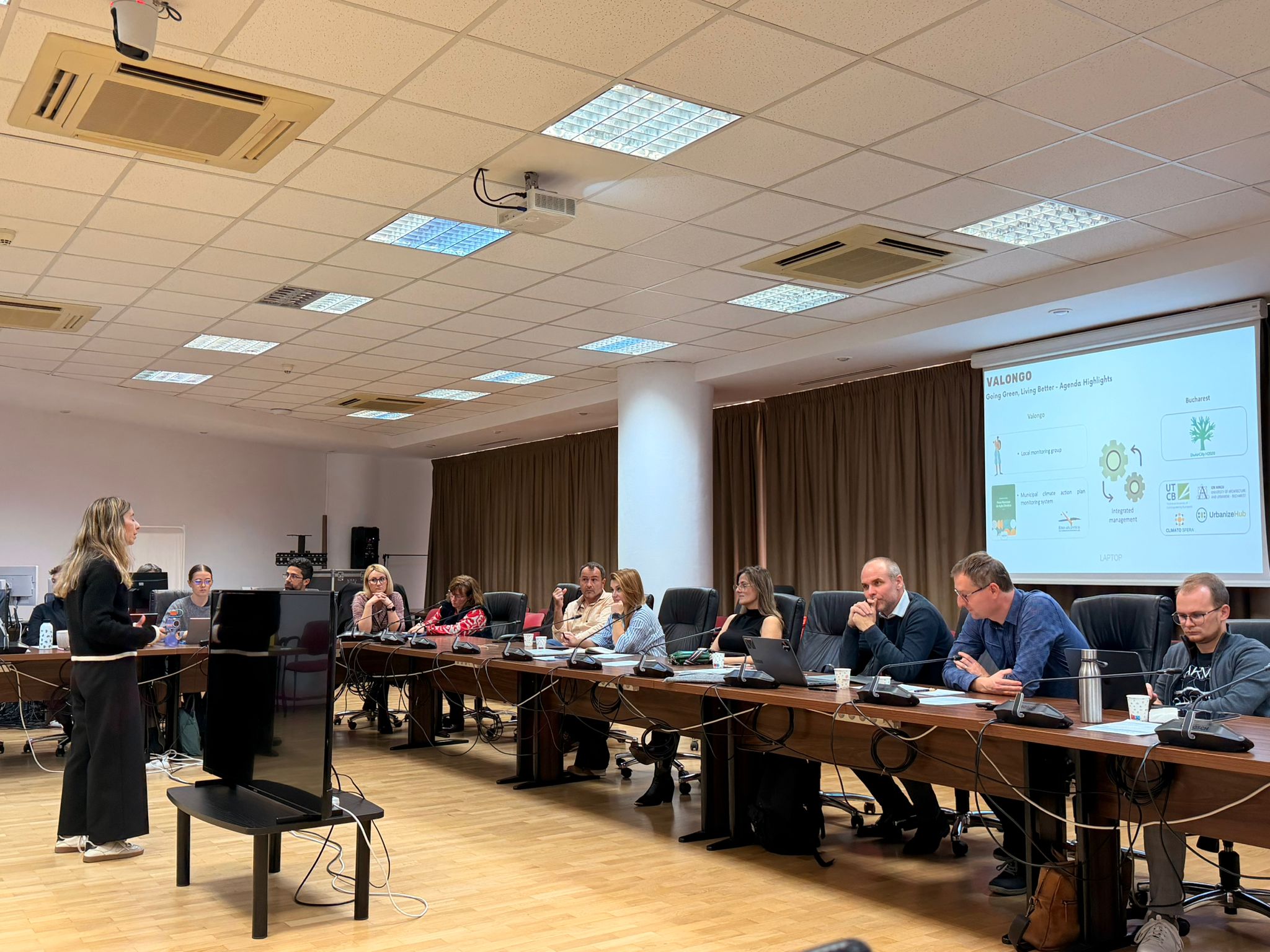
These three cities – even with their considerable successes and experience – joined many others that have taken part in peer-learning programmes through the EU Cities Mission and travelled to Bucharest District 2 in October 2025 in learning mode.
Net ze-Romania
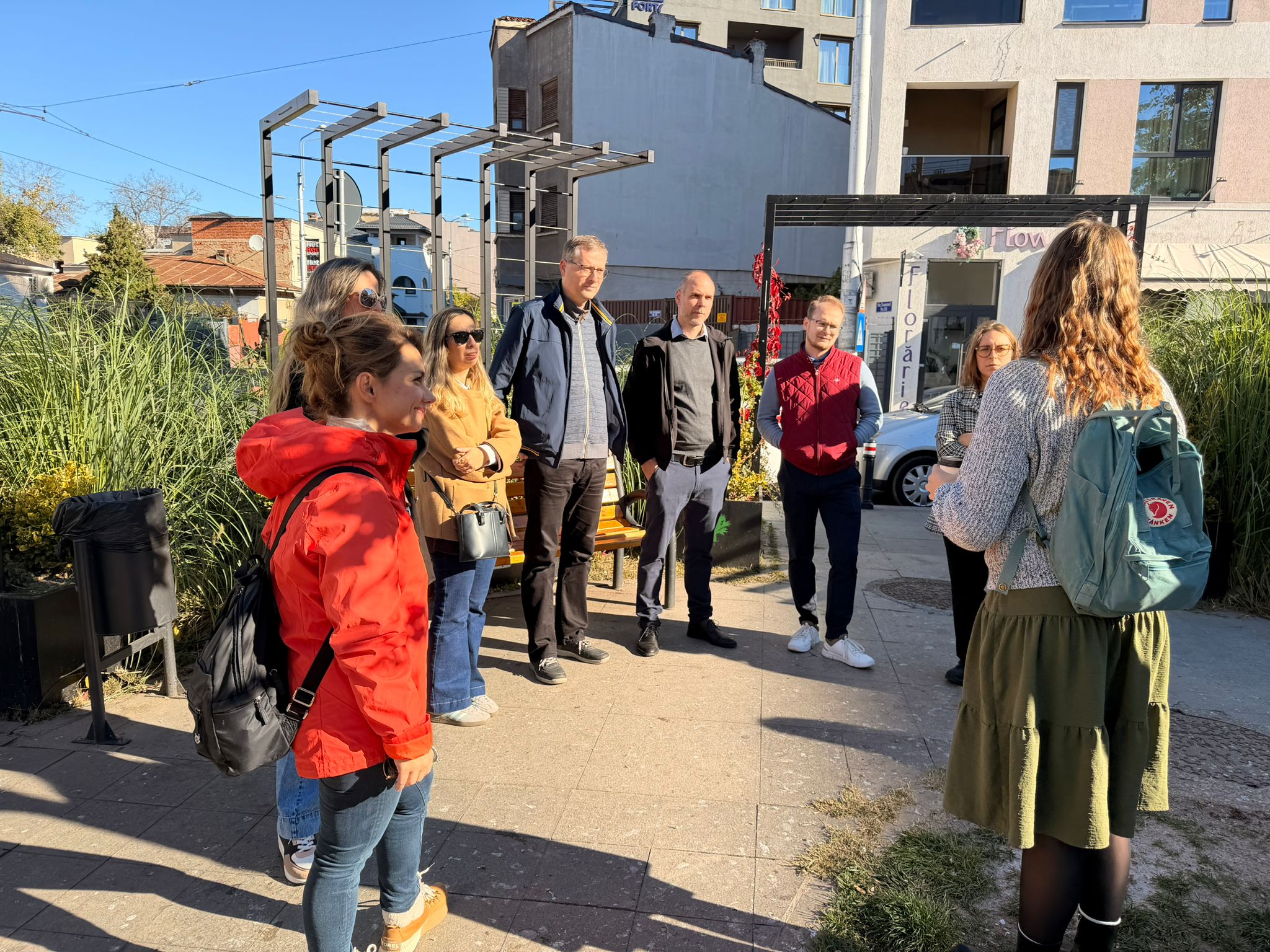
As part of a study visit, organised by Cecchin and administrators from Bucharest District 2 and the European Commission, representatives from each of these cities arrived in the Romanian capital to meet with counterparts, listen, learn and share their own experiences with their hosts and fellow guests.
Through the EU Cities Mission, an initiative of the European Commission, Bucharest District 2 is one of 112 Mission Cities selected to race to climate neutrality by 2030 and to share their knowledge and experience for others to use and follow to the same destination by 2050.
“The real value of engaging with the Mission cities lies in the opportunity to visit concrete, on-the-ground projects that have already secured funding and are testing pilot solutions,” says Cecchin.
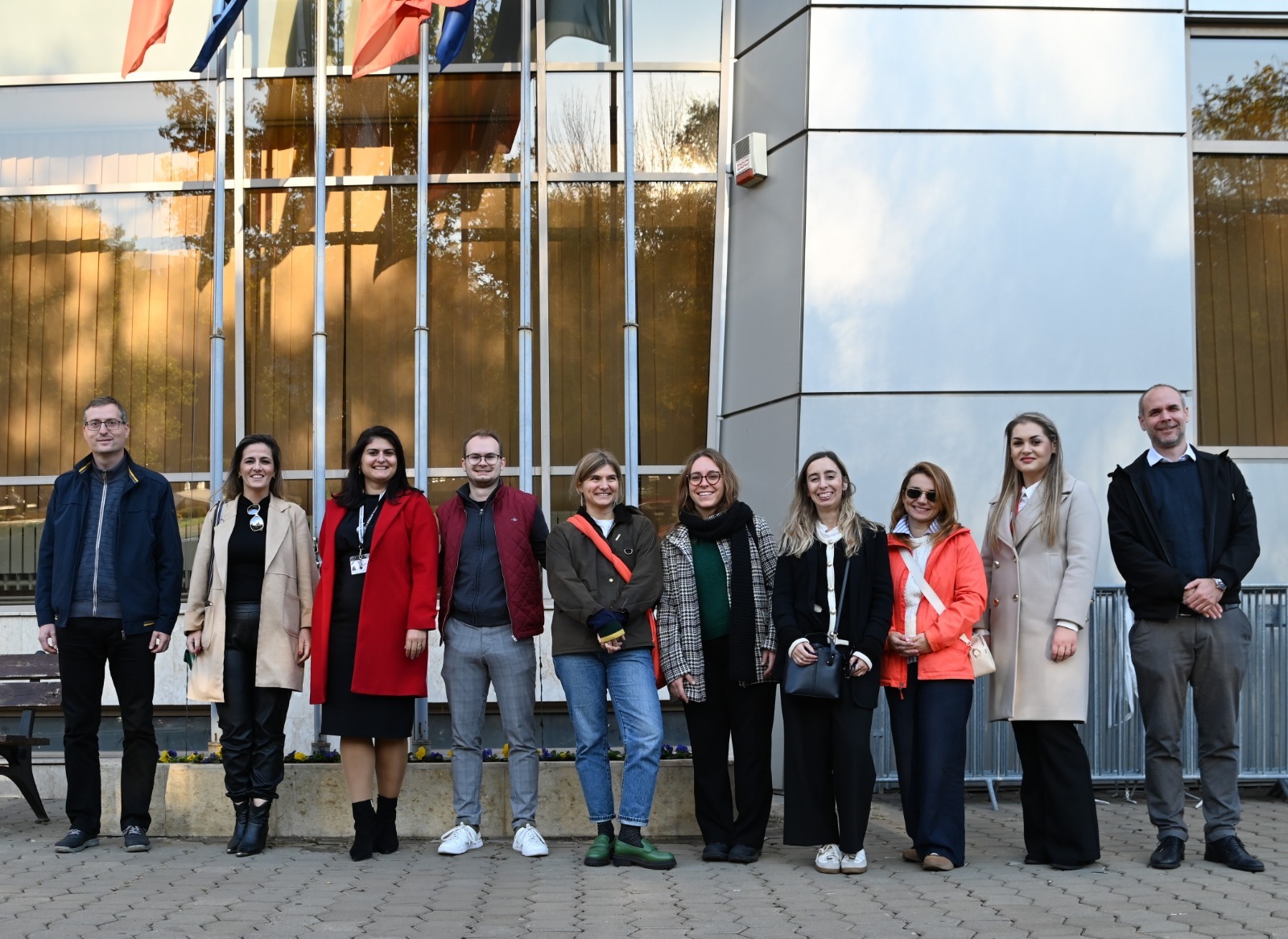
That makes peer-learning programmes like this one vital. Mission cities can connect with non-Mission cities and share their own experiences of success or, perhaps more important for problem-solving, share their frustrations and challenges.
In Bucharest, visitors were shown around the sites of four different projects in District 2, the precinct that is the focus of the city’s Mission-related actions:
- UrbanWise strengthens the capacity of Bucharest District 2’s administration to assess, reduce and monitor emissions.
- WeGenerate promotes energy efficiency, community co-creation and digital tools for better climate resilience and inclusivity.
- ReGreeneration offers a model for authorities to design new urban green spaces with the community.
- DivAirCity looks at the links between air pollution and health with a focus on vulnerable groups.
Before arriving, the cities had already met online and identified areas where they could tap into their host’s knowledge. Priorities and key challenges are identified when cities apply to join learning programmes, which allows facilitators to make the best possible city matches.
In Bucharest District 2, as in many cities with high ambitions related to the climate, reducing transport emissions is a high priority, which they have partly addressed by increasing cycling infrastructure – aligning with Marmaris’s goal to improve its own cycling routes. Naturally, they were keen to learn more from their hosts.
Prague, which shares similar challenges to Bucharest, having a mix of modern and historic infrastructure typical of central and eastern Europe, was also keen to learn more about sustainable mobility on the visit. Prague is already working towards real-time traffic and data-driven mobility systems, and for Valongo and Marmaris, more learning was desired on monitoring data and using it to lead decision-making for more effective climate action.
And, recognising its importance, the visitors also saw for themselves how activating citizens is a foundation of successful projects, which has been demonstrated in Bucharest District 2.
Cities as climate action students and masters
The “grounded, experience-based dialogue” of these peer-learning opportunities, says Cecchin, “is what makes these interactions particularly meaningful.”
So far, more than 200 cities have participated in peer learning delivered by NetZeroCities, and more cities and programmes are on the way.
As we have seen, despite being at different longitudes across Europe, Prague, Marmaris, and Valongo share many problems in common – but also have insights to share. This adds another dimension to these opportunities, where knowledge goes in both directions.
“They share experiences from their day-to-day work, exchange advice on operational challenges, and reflect on approaches that have proven effective, as well as those that have fallen short,” says Cecchin.
“What stands out is the depth of peer-to-peer learning that takes place.”
Reflecting on their visit, Valongo shared some key insights on the best approach to transferring knowledge between cities:
- Plan small interventions first, going step-by-step while keeping an eye on the bigger picture.
- Promoting private investments, including from citizens’ associations.
- Keep some flexibility to pursue alternative solutions.
“Sometimes the initial idea for a project or for transferring solutions can’t be implemented due to funding or other kinds of restrictions. Therefore, it is necessary to have not only Plan A, but also Plans B and C,” said the representative from Valongo.
The many Mission-minded cities to follow will welcome this sound advice.
Valongo, Marmaris and Prague visited Bucharest District 2 on 27-29 October 2025 as part of a group study visit offered through the EU Cities Mission. Take a look here for more information on how NetZeroCities, the Mission platform, is supporting cities on these programmes.