Climate–friendly construction could be less costly than first thought, according to a new report, with some measures adding little or no cost. Mission cities are learning from Oslo how this could be encouraged through public procurement. Sofi Halling, a senior adviser at Oslo Climate Agency, explains.
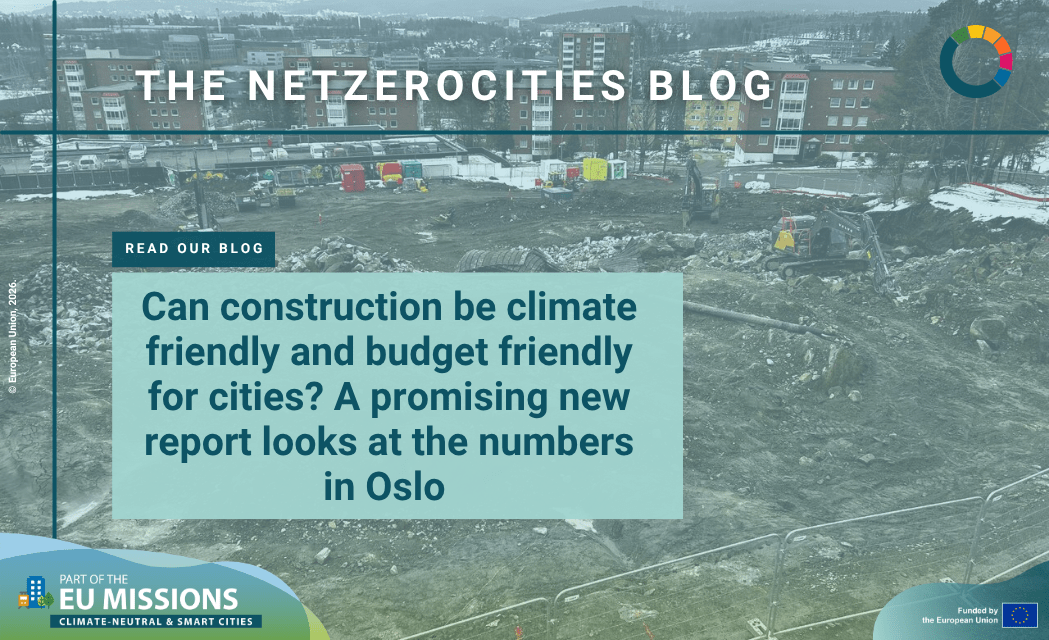
The construction sector is an "often overlooked" source of cities' greenhouse gas emissions, but the good news is that cutting emissions in this sector might be less costly than anticipated, according to a report by SINTEF, a Norwegian research institute for sustainable development.
"This report shows that smarter design, the right choice of materials and increased re-use of material can cut emissions faster than many think," says Audun Garberg, acting director of Oslo's Climate Agency.
High value and lower emissions through public spending power?
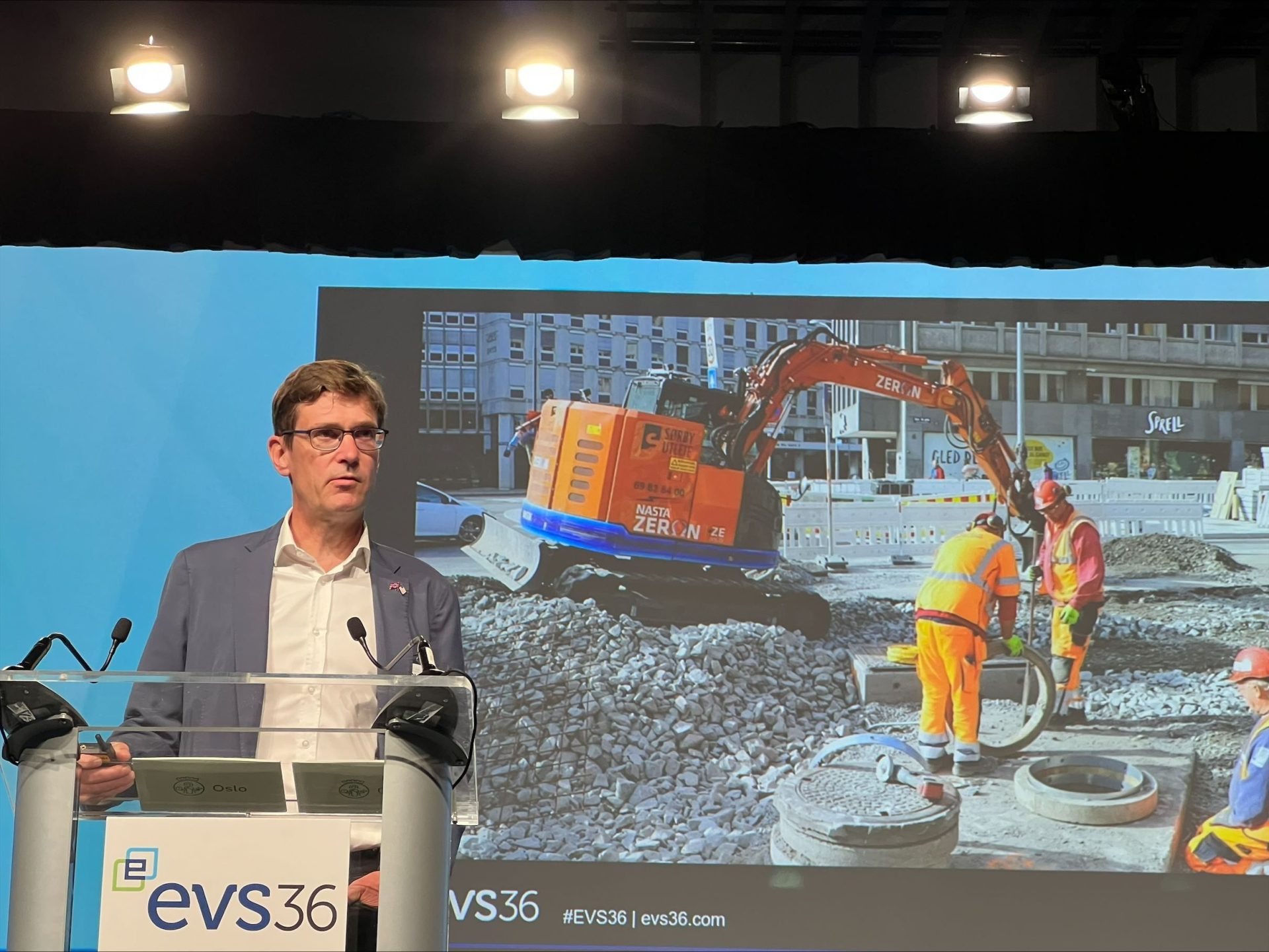
Using electric machinery or fossil-free transport during construction are also possible climate actions in the sector, but the need to cut waste and emissions by reusing materials ('circular economy') is clear. The construction industry accounts for over 35% of the EU's waste (25% of Norway's) and 5-12% of total national greenhouse gas emissions.
Public authorities, however, have leverage with their spending power. In the EU, more than 250,000 authorities spend around €2.5 trillion every year on services, works, and supplies. In some sectors they are even the main buyers.
Oslo, Norway's capital, has been using this leverage and tackling the construction industry's emissions with public procurement. In 2016, it requested fossil free solutions in municipal projects and by 2025 it required all public construction sites to be emissions free. By 2030, all construction must be zero emission in the city, including the private sector.
© Oslo Climate Agency
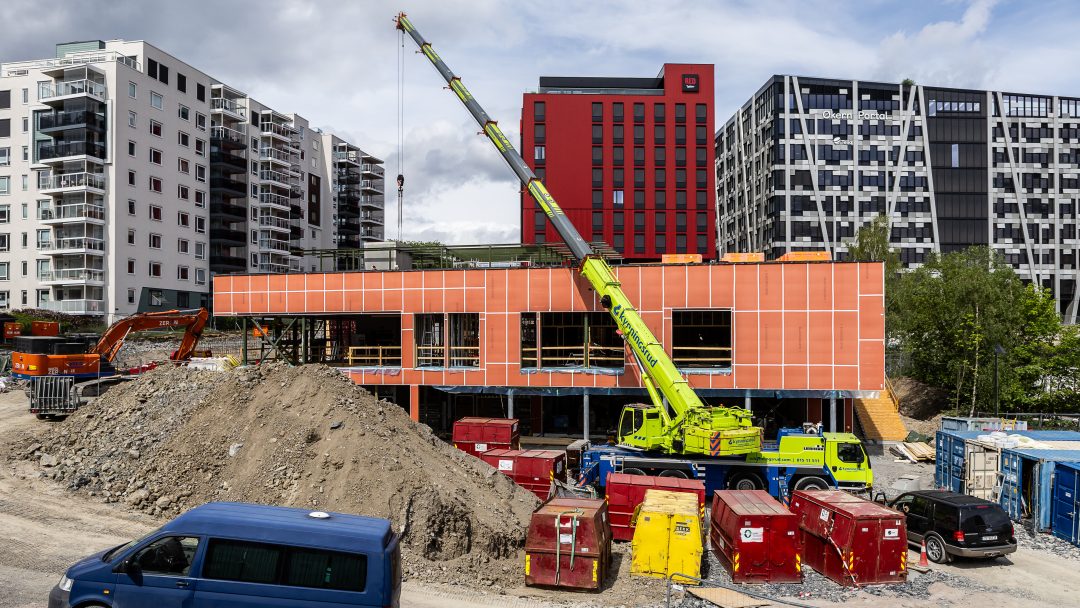
And promoting the circular economy could be approached the same way. In one project in Oslo, instead of scrapping or remelting the steel from a retired ship, it is being used in the development of a new building. The steel is cut out and cleaned, and the city has saved 90% of the greenhouse gas that would have been emitted using new steel.
Getting a GRIP on procurement best practice
© Tove Lauluten/Oslobygg FK
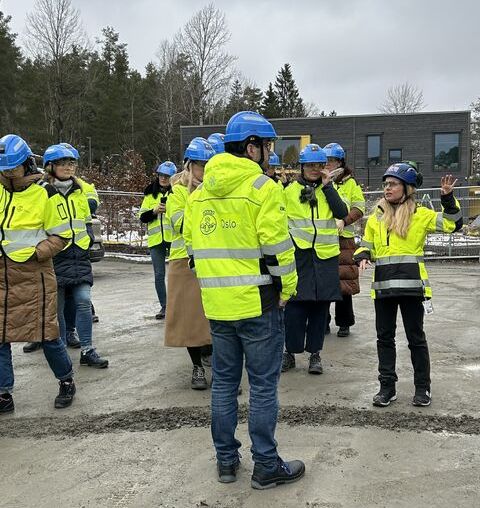
Supported by NetZeroCities through the EU Cities Mission, Oslo is sharing its actions and knowledge with cities in Germany and Slovakia, who are trying to learn and test if the lessons are replicable.
Through its 'Green Responsible Innovative Procurement' (GRIP) project, "Oslo shows what is possible," says Kristine Hess-Akens, EU Mission manager for the city of Aachen in Germany. This could include having greenhouse gas reductions in the planning for building and road construction – "a key lever of public procurement," she says.
Marco Rack, the project manager for GRIP and the city's team lead for procurement in Aachen agrees.
"Public procurement is a powerful tool to set standards for quality, cost-effectiveness and sustainability and to advance them transparently together with the market," he says.
Košice in Slovakia is beginning the process of becoming an innovative and sustainable procurer, says Miso Hudak from the city's strategic development department.
"Extensive knowledge from Oslo is being equally shared between the municipal office and municipally-owned companies that are responsible for green and public space maintenance, building and asset management, public transportation, and other municipal services. We are learning by conducting tests in smaller procurements for daily office operations," says Hudak. "Extensive knowledge from Oslo is being equally shared between the municipal office and municipally-owned companies that are responsible for green and public space maintenance, building and asset management, public transportation, and other municipal services. We are learning by conducting tests in smaller procurements for daily office operations," says Hudak.
The report was presented at the Net Zero Futures conference in Cape Town in November 2025, with an English version to be published in Spring 2026. The full report (in Norwegian) is here.
The GRIP project aims to pool resources and scale up the use of green procurement in large and small cities across Europe. Mission Cities are invited to commit to action and sign the declaration here – Green Responsible Innovative Procurement (GRIP) – NetZeroCities.
© Oslo Climate Agency
The information above is the responsibility of the author and does not represent the views of NetZeroCities, its partners, or the European Commission.