
Twinning Learning Programme
Cohort 4 (2025-2026)
Cohort 4 of the Twinning Learning Programme launched 1 December 2025!
Building on three successful cohorts with Pilot cities, this new group brings together 18 Mission cities and 22 Twin cities from 24 countries for 12 months of peer-learning exchanges, workshops, and site visits.
The Twinning Learning Programme is part of the EU Cities Mission and is facilitated by the Mission Platform, managed by NetZeroCities.
22 Twin cities
18 Mission cities
24 countries
The Twinning Learning Programme
The Twinning Learning Programme is built on mutual exchange. Twin cities work directly with Mission cities to learn from their experience, with a focus on the climate actions outlined in the Climate City Contracts and the priorities identified in the associated Action Plans. These exchanges will help Twin cities design replication activities tailored to their local context, while providing Mission cities with fresh perspectives and locally driven innovations to strengthen the implementation of their strategies.
Informed by previous Twinning activities developed as part of Cities Mission, this new 12-month programme provides targeted feedback, structured partnerships, and access to practical tools. Through tailored and flexible knowledge exchange, workshops and site visits, cities can refine their strategies, accelerate progress toward key climate milestones, and strengthen their leadership role in driving urban climate action.
Ultimately, this Twinning Learning Programme contributes to the broader impact of the EU Cities Mission by building a dynamic network of cities actively working toward a sustainable, climate-neutral future.

Discover the pairings
Each Twinning partnership has been carefully matched based on complementary expertise and shared climate priorities. Over the 12 months, these city pairs collaborate on specific climate actions identified in the Mission cities’ Climate City Contracts. Due to high demand and to scale up the programme’s reach, additional twins have been included, but will not host site visits.
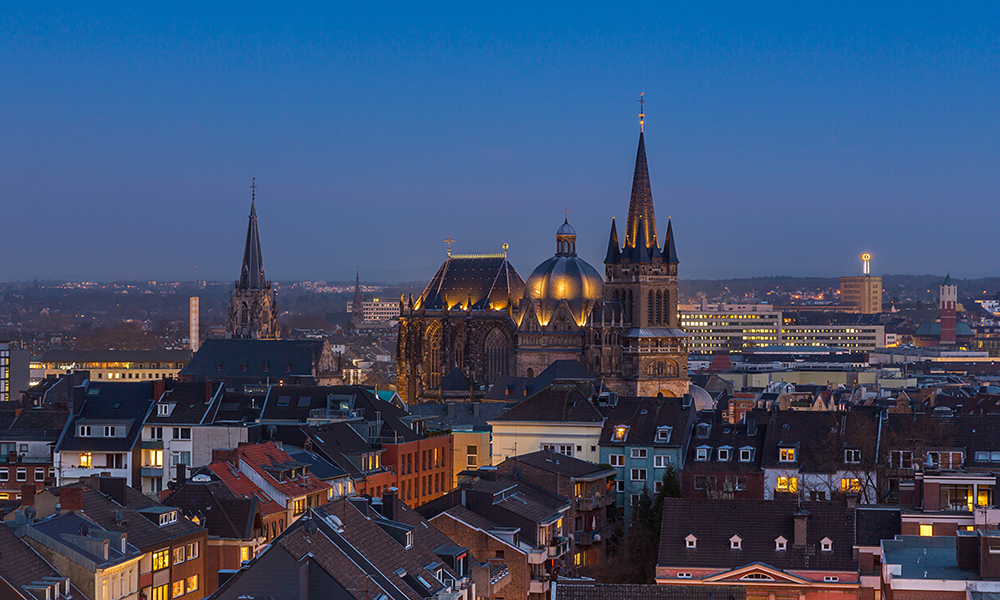
Aachen
Germany

Paired with Strasbourg
What the Mission city have to say about the pairing:
- Citizen Engagement for 1.5° Lifestyles – Strengthening governance and cross-sectoral collaboration to achieve climate neutrality through the Agency for Climate, Energy and Sustainability (“Klima Plus”). Participatory tools like the “Next Level” serious game and “KlimaMatch” platform developed through the CoLAB project to drive behavioural change and citizen involvement in the CCC process.
- New governance structures for the implementation phase of CCC / Change management and organisational development – New roles and expectations introduced to enable cross-department collaboration, joint ownership, and shared vision.
- Green Procurement (GRIP Project) – Pilot procurements and co-development of a peer-reviewed toolkit to support cities across the EU Cities Mission in advancing green procurement practices.
- Financial Barriers to Climate Action Implementation – Securing sustainable financing for climate initiatives, particularly those outlined in the Climate City Contract (CCC) by innovative financing approaches, including blended finance, EU funding and public-private partnerships.
- Monitoring and Evaluation of CCC Partner Commitments – Establishing effective systems to track and monitor partner commitments under the CCC, and ensuring transparency, accountability and continued stakeholder engagement.
- Effective Climate Communication – Communicating climate goals in a clear, inclusive and motivating way, improve public understanding and engagement by learning from effective communication strategies.
- Practical insights, feedback and suggestions for improvement for developed tools (KlimaPlus, Next Level serious game).
- Capacity building and knowledge exchange on financial solutions.
- Enhanced stakeholder engagement strategies for continued support of partners across sectors, ensuring strong commitment, transparency and shared ownership of climate goals.
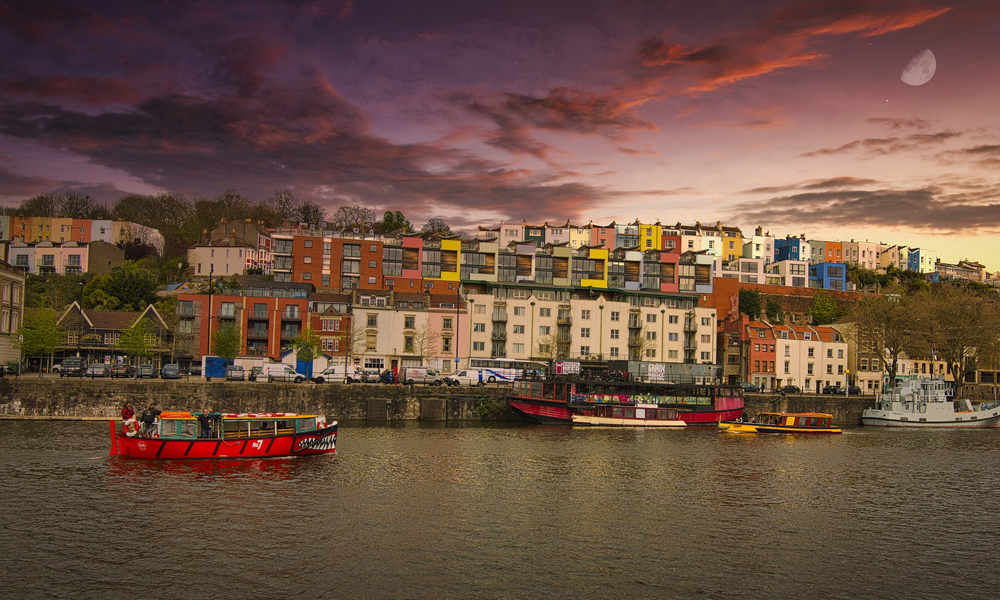
Bristol
United Kingdom
Paired with Lille
What the Mission city have to say about the pairing:
- Green Growth West Fund – Aiming to be a €120m impact investment fund, majority funded by the private sector.
- Community Climate Action Planning and Investment – 17 community led climate action plans developed.
- Public Private Partnerships – Joint venture with the private sector, aiming to deliver over €1bn of public and private investment.
- Innovative finance models – Building on the work already done to create new models.
- The Just Transition – Shaping the social transition fairly working with communities.
- Deploying heat pumps for domestic and commercial buildings – Ensuring quality installation and citizen/customer confidence.
- Innovative finance – Developing a wider strategy and programme.
- Community engagement activities – Practical projects focused on marginalised communities.
- Evidence of how well heat pumps work to build confidence in the UK market, which is not well developed.
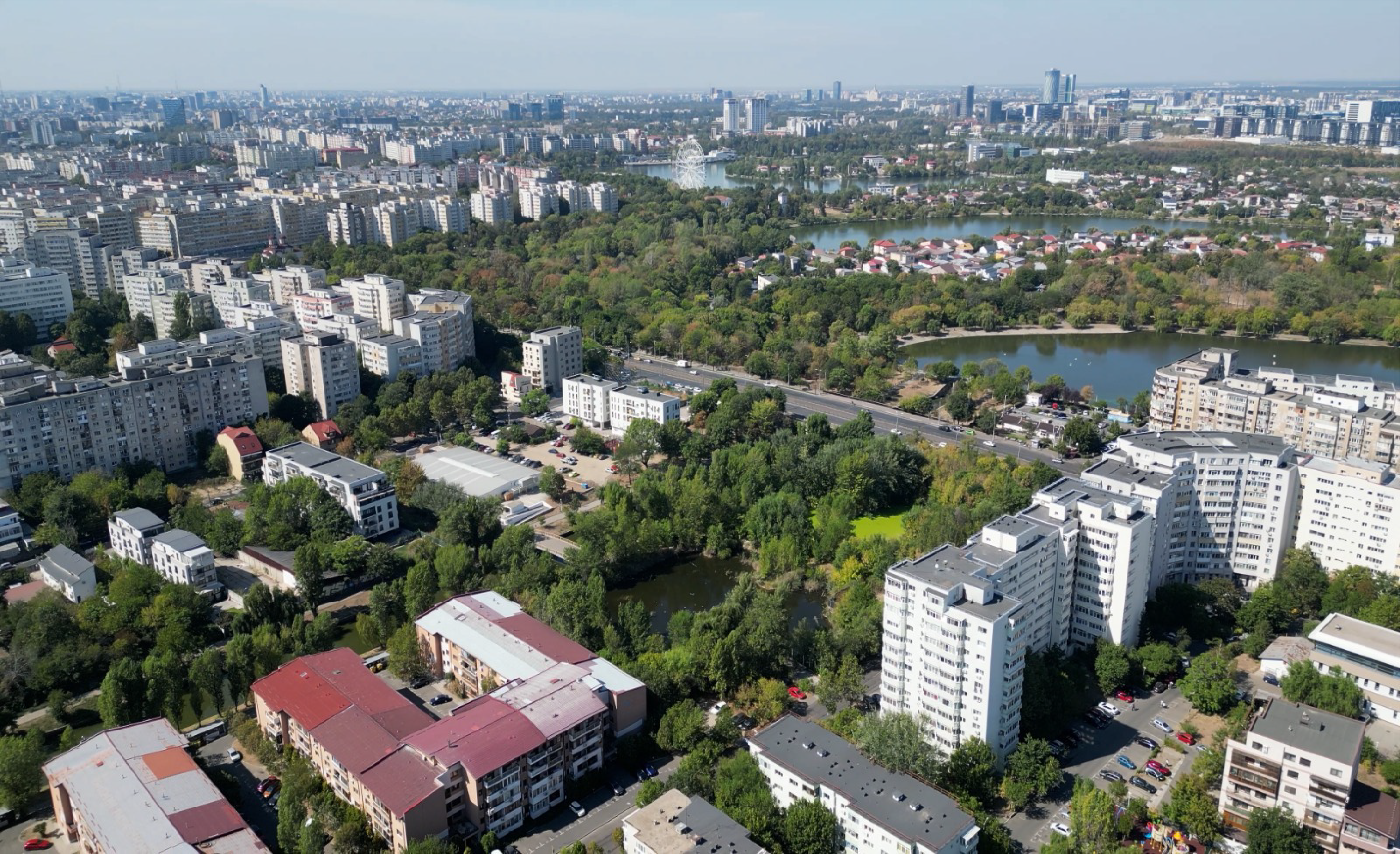
2nd District of Bucharest Municipality
Romania

Paired with Cambridge
What the Mission city have to say about the pairing:
-
Participatory Urban Regeneration through the UrbanWise and ReGreeneration Pilots – Transformation of underused urban areas into inclusive, green, and resilient spaces.
-
Climate-Efficient Housing for Youth, the nZEB Plus Pilot – Construction of nearly zero-energy housing for young residents, with energy use 20% below current standards.
-
Educational Infrastructure and Youth Climate Engagement – Upgrade of 56 schools and climate education initiatives, awareness campaigns, and co-creation workshops with students.
-
Citizen behavioural change – Better understand how to effectively foster long-term behavioural shifts in favour of sustainable mobility, energy efficiency, and climate-positive lifestyles, especially among vulnerable and disengaged groups.
-
Innovative funding models – Explore financing schemes and public-private partnerships that support climate-neutral housing and urban regeneration, including models for scaling up nZEB projects.
-
Data collection and impact measurement – Improved tools and methodologies to collect, monitor, and evaluate climate action impact at the district level, including data-driven decision-making and integrated digital platforms.
-
Improved implementation practices – Gain concrete feedback and peer insights on ongoing climate actions, such as participatory urban regeneration, sustainable housing, and educational infrastructure.
-
Enhanced stakeholder engagement – Learn new strategies to involve citizens, especially youth and vulnerable groups, in co-creation and long-term climate action ownership.
-
Capacity building and knowledge transfer – Strengthen technical and institutional capacity in areas such as behavioural change, data-driven decision-making, and financing mechanisms for climate neutrality.
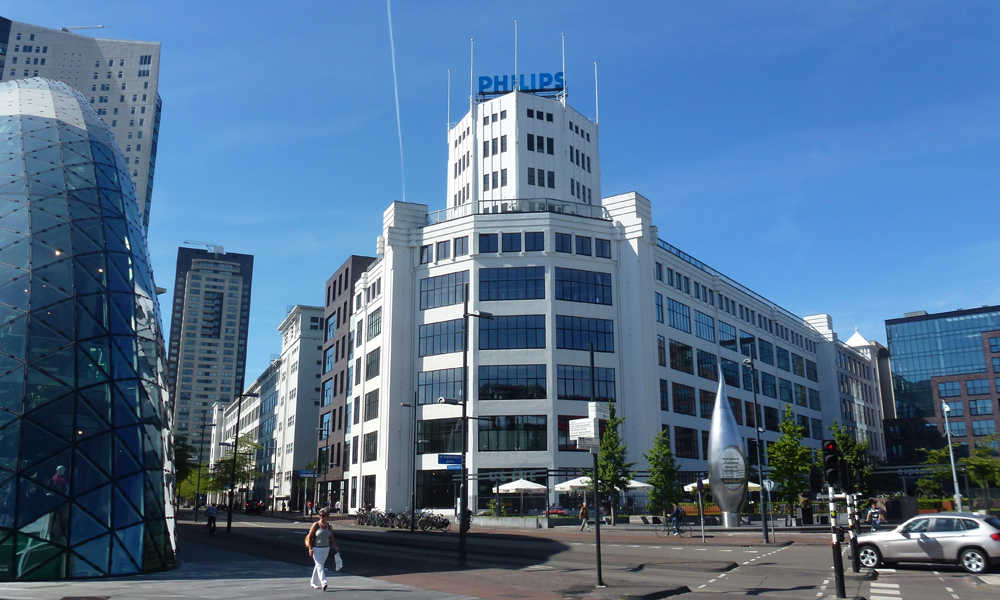
Eindhoven-Helmond
The Netherlands

Paired with Wolfsburg
What the Mission city have to say about the pairing:
Focus on Scope 3 emissions:
- Scale the chain of biobased building from supplier to contractor.
- Implement circular economy in spatial planning and on industrial sites.
- ‘Value-based building’ – For example health benefits and CO2 compensation/carbon credits in biobased construction.
- Improving the chain of circular and biobased economy – From supplier to user, including requirements in spatial planning and environmental safety.
- Scope 3 emissions – How to set up a business case and indirect benefits, for example how to value health benefits and carbon credits/CO2 compensation in biobased construction.
- Improved practices and stakeholder engagement strategies.
- Financial capacity building.
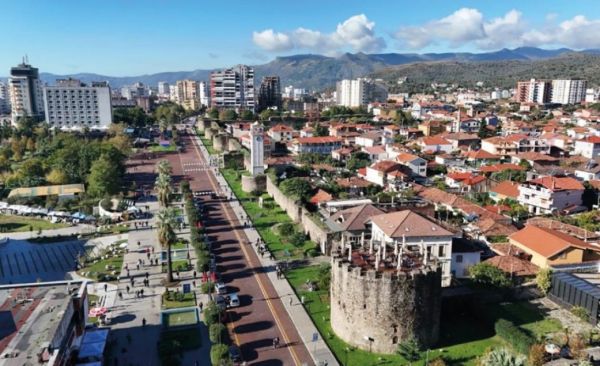
Elbasan
Albania

Paired with Paredes
What the Mission city have to say about the pairing:
- Innovative approaches for economic green development in the Metallurgical Zone – Focus on sustainability with green technologies and the promotion of circular economy practices.
- One-stop-shop for retrofitting residential buildings – Enhance energy efficiency and reduce emissions.
- Wastewater management solutions – Reusing greywater for irrigation, reducing water consumption, supporting green spaces, and bolstering the city’s resilience to climate change, fostering sustainable urban growth.
- Awareness and Education – Promote understanding and adoption.
- Funding and Investment – Accessible financing, subsidies, and incentives for green retrofitting and wastewater management.
- Regulatory and Technical Challenges – Updating urban planning guidelines and building local expertise.
- Feedback on climate actions – Insights into the effectiveness of climate initiatives to refine strategies for the Metallurgic Zone.
- Improved practices – Learning from the Twin City’s green technologies and wastewater management for scalable solutions.
- Stakeholder engagement – Strategies to engage residents, businesses and government agencies to ensure broad support.
- Practical examples – Successful green projects to inspire and guide city’s efforts.
- Technical capacity building – Collaborative exchange to strengthen local expertise in green technologies for long-term sustainability.
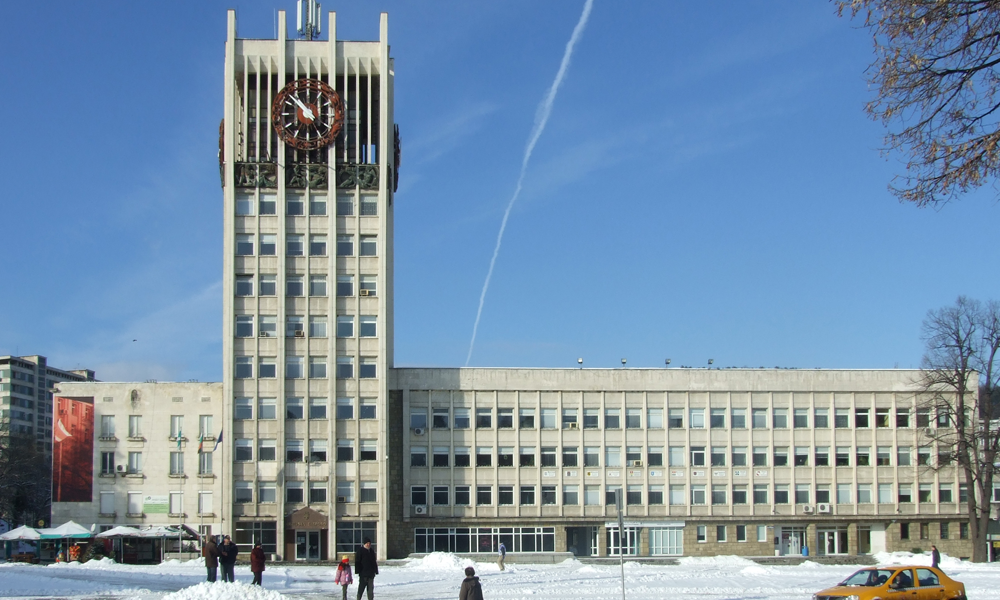
Gabrovo
Bulgaria

Paired with Cartagena
What the Mission city have to say about the pairing:
- Establishing Energy Communities – Pioneer energy community, empowering citizens, SMEs, and NGOs in local renewable energy production. Robust model for citizen-led energy transition, with a process for attracting investors, contract signing, democratic decision-making via a General Assembly, and securing public property for photovoltaics.
- Mapping Urban Green/Blue Infrastructure & Rainwater Harvesting – Replicable data-driven approach to urban resilience and water conservation. Through Mount Resilience project, mapping of the area of urban trees in the Municipality area, alongside developing a smart rainwater harvesting system for irrigation.
- Carbon-Neutral Zone & Building Renovation – Deep renovation of public and multi-family residential buildings integrating renewable energy and automation, development of a carbon-neutral zone in Gabrovo, technical audits for energy renovation of multi-family buildings and public buildings upgrades for both industrial and residential sectors.
- Strategies for energy communities (e.g., shared solar) for scaling up active local participation and optimising long-term management for wider impact – Over 90% building stock is private, hindering large-scale renovations.
- Promote low-carbon construction, improve thermal performance, and use circular economy materials, with private financing models and technical capacity building.
- Sustain long-term citizen participation and address information gaps even with an aging population, with innovative tools to foster trust, continuous involvement, and facilitate social innovation despite limited resources.
- Learn best practices for integrating green/blue infrastructure mapping and smart rainwater harvesting into urban planning, including scaling nature-based solutions for climate resilience and biodiversity.
- Boost technical capacity in low-carbon construction, high-energy performance tech, and innovative social engagement tools.
- Direct knowledge transfer from the twin cities’ experience to the municipal staff and local stakeholders.
- Learn new approaches for sustained, deep citizen involvement in climate action, including methods to bridge information gaps and build trust, leading to more robust, bottom-up initiatives.
- New funding mechanisms.
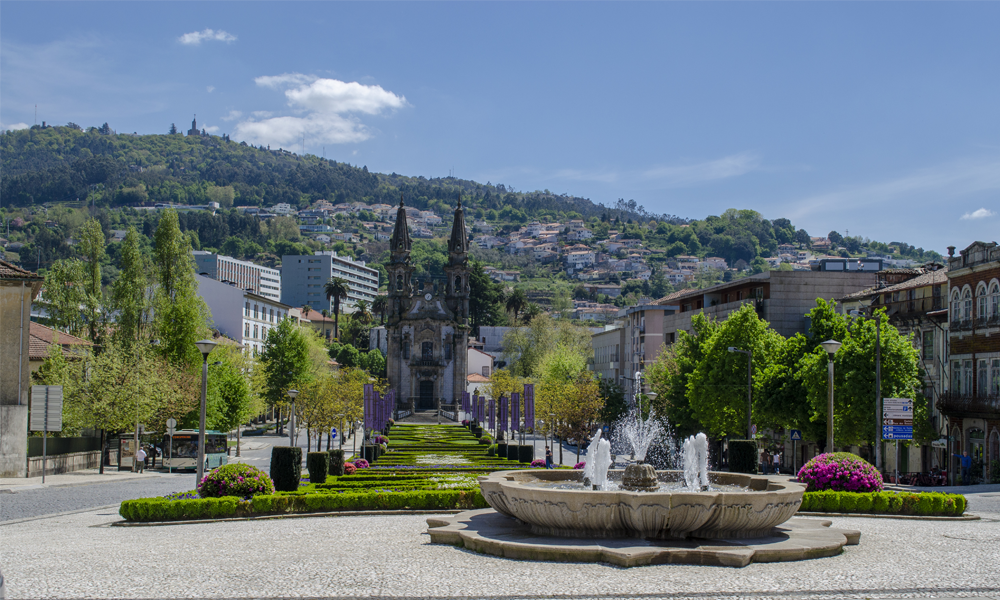
Guimarães
Portugal
Paired with Hamburg
What the Mission city have to say about the pairing:
- Renewable Energy Community (REC) – Digitalisation of energy, more specifically exploring the necessary business models and investment concepts for the REC application in a specific district and its expansion on the municipality at a later stage.
- Green Radial Strategy – Connecting to green and blue infrastructure to enhance natural cooling, and consists of three expanding green belts to:
- Restore natural corridors and riverine habitats
- Develop urban forests and community green spaces to provide climate refuges
- Implement nature-based solutions such as rain-fed meadows and retention basins to manage heat stress and urban flooding.
- Climate pact – Engage the local economic sector in sustainable practices to involve all businesses, associations, NGOs, with dedicated sectorial workshops to engage more companies and designing targeted commitments with the signatories.
- A+Class – Part of the Enabling City Transformation (ECT) programme, to create a dedicated platform to monitor Climate City contract Implementation.
- Explore policy and financing and funding opportunities and challenges.
- Discuss the potential of creating new sustainable industrial areas that promote industrial symbiosis.
- Use digitalisation and technology to develop future scenarios and potentiate the power of data integration in supporting the decision making.
- Align policies and procurement strategies at the Municipal level.
- Implement a regulatory framework to integrate energy efficiency building refurbishment at UNESCO heritage areas.
- Gain feedback on the practical implementation of our key climate initiatives, such as Renewable Energy Communities and the Green Radial Strategy.
- Learn from the successes and challenges of the Twin City to help refine approaches and scale up more effectively.
- Share technical expertise and policy approaches – Strengthen internal capacity in areas such as digitalisation, sustainable urban planning, and the integration of nature-based solutions, including learning how to align policies, data use, and procurement practices with long-term climate goals.
- Practical examples of sustainable industrial areas and integration of energy efficiency implementation in UNESCO heritage areas.
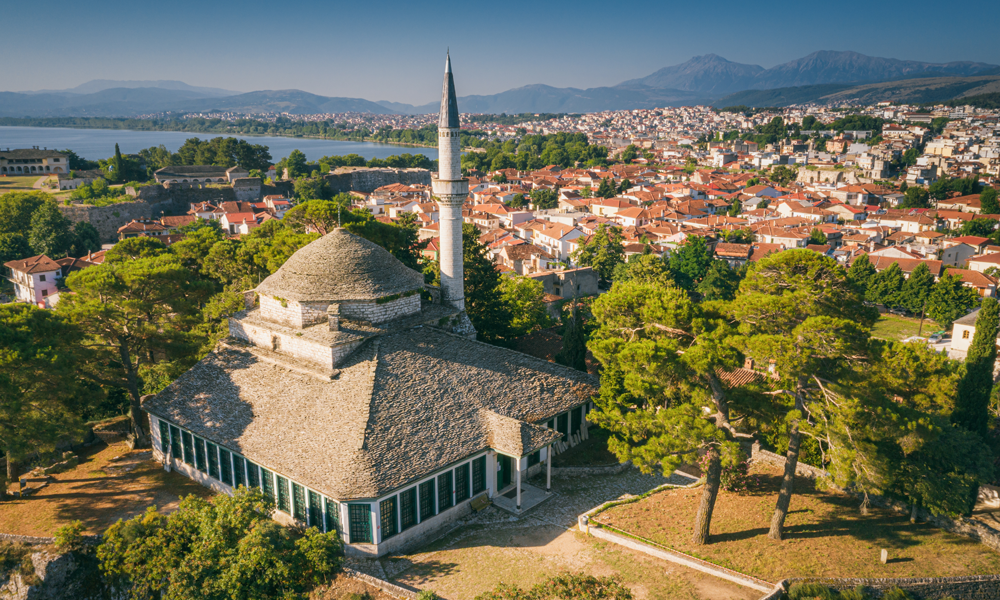
Ioannina
Greece

Paired with Cesena
What the Mission city have to say about the pairing:
- Creation of 5 Climate Neutral Zones (CNZ) – Gradual implementation of a Low Emission Zone and Zero Emission Zone in 5 neighborhoods in the city, establishment of the methodology (legal steps & urban planning tools) on restrictions on emissions and car circulation, green corridors and areas, community renewable resources, walkable zones and micromobility.
- Green Enhancement and upgrading of Schoolyards for Carbon-free schools – Upgrade by participatory processes with the involvement of pupils in the decision-making process, bioclimatic design and carbon free materials for “climate shelters” in schools.
- Vertical connections to enhance walkability and sustainable mobility – Design of pilot cases to enhance micromobility by regenerating urban areas with stairs and differences in altitude, combining bioclimatic material and bringing green and blue (water) back in the neighborhoods.
- Breaking civic silos and engaging stakeholders in the community – Create a common vision for implementing the CCC, helping citizens and civic groups to grasp the vision of Climate neutrality, so they participate and co-design solutions.
- Mobilising private and other sources of funding – Identify clear, guiding legal and administrational framework to mobilise alternative sources of funding.
- Institutional barriers for adopting urban sustainability practices.
- Close cooperation in activities and knowledge-sharing – Best practices on participatory design and bottom-up solutions that can be transferred to the city and rest of the Greek Mission cities.
- Development of guidance and policy recommendations for local and regional authorities – How to address common technical, regulatory, and financial obstacles to the transition to Climate Neutrality, development and implementation of innovative initiatives at a local scale.
- Design and application of common monitoring systems – Use of various tools and approaches including common data bases, KPIs, GIS tools and other ways to monitor and measure progress.
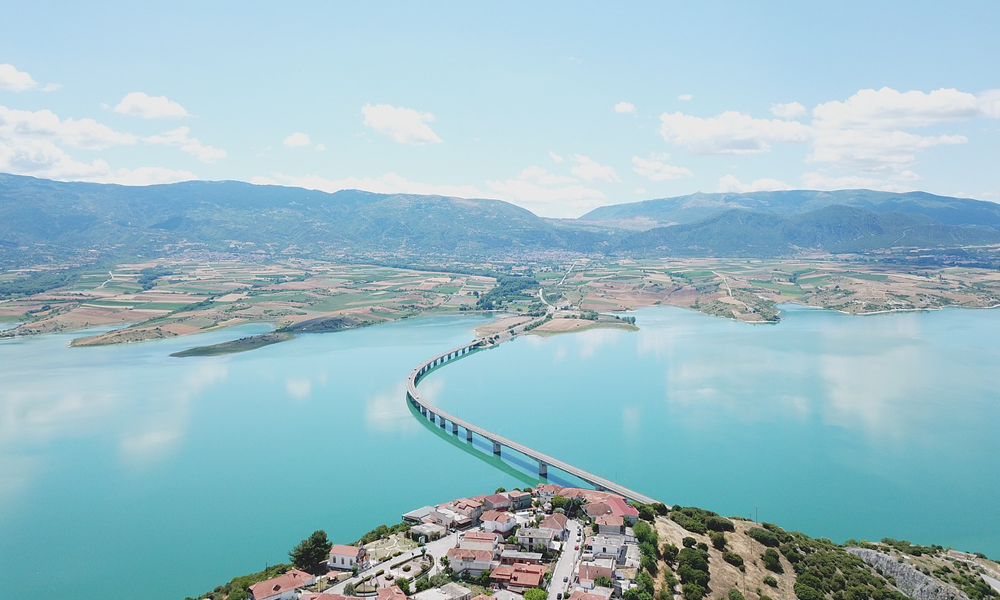
Kozani
Greece

Paired with Samsun
What the Mission city have to say about the pairing:
- Removal of the remaining CO2 emissions (except an approximate of 20% of residual emissions); and develop inventories, monitoring processes and emission reduction portfolios for the remaining GHG emissions.
- Strategic interventions on energy efficiency optimisation, renewable energy generation, sustainable urban mobility and transportation, waste management and circular economy, sustainable resource optimisation and governance.
- Finance & Funding
- Democracy and Participation
- Stakeholders engagement and participation.
- Public awareness and motivation.
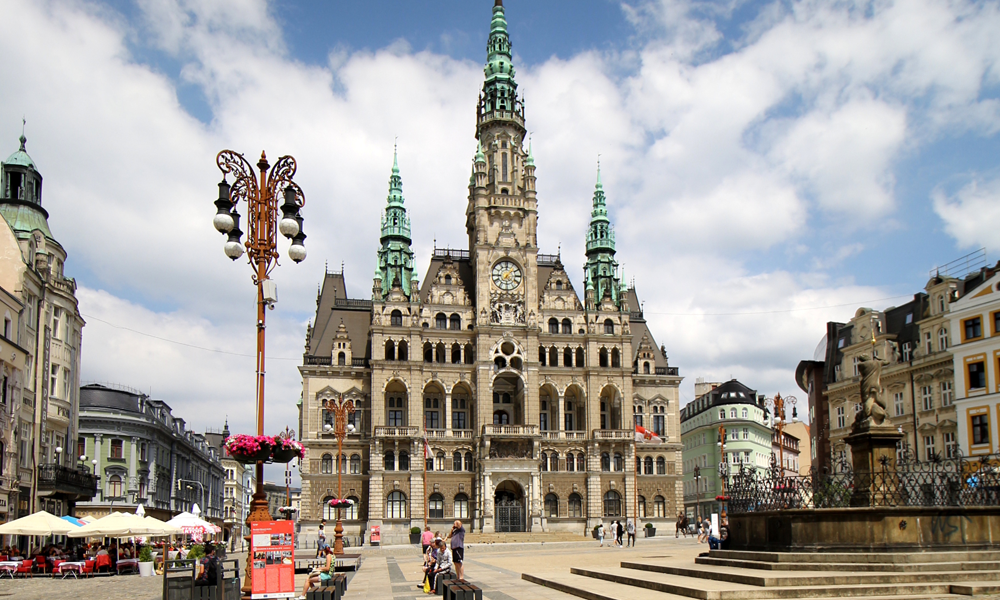
Liberec
Czech Republic

Paired with Bydgoszcz
What the Mission city have to say about the pairing:
- Municipal participatory governance model to incorporate participation to the municipal processes, directives and across all departments.
- Systematic public education around topics relevant to climate change, with focus on children and youth (building their climate leadership).
- Community energy development in the city.
- Alternative ways of funding / financial innovations.
- Engagement of private investors and local private businesses.
- GHG emissions monitoring (calculations, estimates, data collection and digital tools).
- Opportunity to collaborate with the other city systematically.
- Inspiration and experience-sharing.
- Benefit from the leadership and facilitation of the NetZeroCities consortium.
- Increase in technical capacity and knowledge about stakeholder engagement, mainly in terms of businesses.
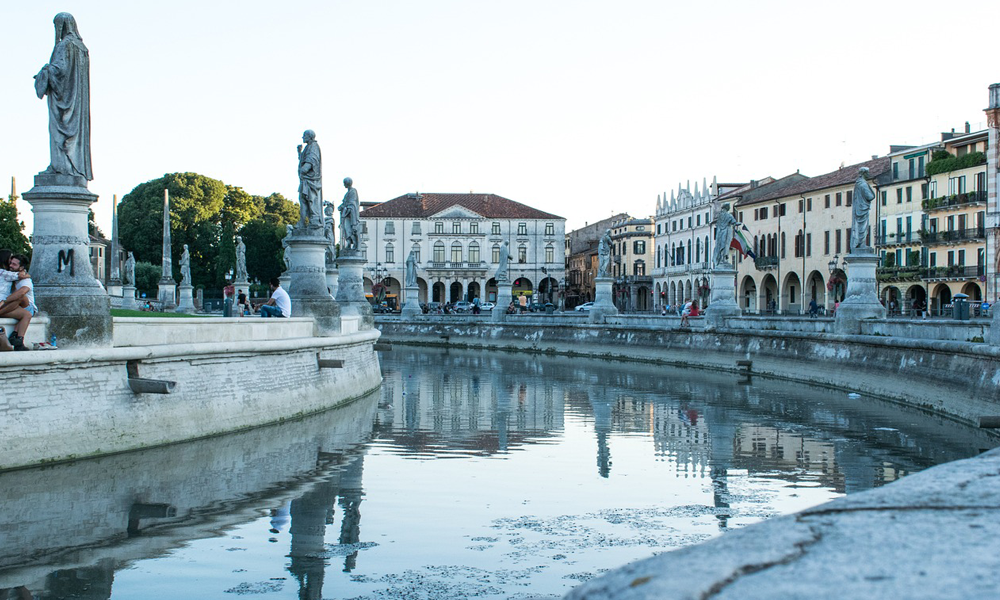
Padova
Italy

Paired with Ploiesti
What the Mission city have to say about the pairing:
- Publicly-led One Stop Shop (OSS) – Encouraging energy upgrades of public and private housing stock, fostering the establishment of ECs, focus on the inclusion of energy-poor households, involvement of ESCos in competitive procedures, and knowledge-sharing based on the PadovaFIT Expanded project and the CESF-funded study on the establishment of a multicity OSS.
- Living Lab – Discussing and identifying the main barriers and opportunities for achieving climate neutrality, agreeing with the territory on a strategy for the decarbonisation of the city, and demonstrating the commitment of the stakeholders by signing Climate Agreements.
- Innovative finance schemes – Crowdfunding to finance energy efficiency interventions and production of energy from renewable sources in public and private buildings in the city, and knowledge-sharing on two European projects: SUPERHEERO, focused on supermarkets, and RES Padua, focused on sports centers.
- Better involvement of citizens – Ensure the effective achievement of the targets of the CCC with techniques, tools and methodologies to engage citizens, empower them and possibly incentivise them (including nudging actions) to adopt virtuous behaviour.
- Financial operators in the CCC – Exchange with cities that have been able to activate partnerships with banks, the methods of cooperation and implementation strategies.
- CESF-study – Assess the technical and economic-financial feasibility by exchanging with cities that have already experimented with similar solutions, especially in industrial areas.
- Introduction to a new city, its organisational methods, political choices, and the technical and organisational solutions adopted.
- Sustainable internal governance regardless of the political colour of the administrations to come.
- Comparison of budget spent on climate actions, ideally with cities similar in size.
- Technical information on the involvement and activation of citizens, new financing through land banks, management of district heating networks, and energy upgrading of buildings.
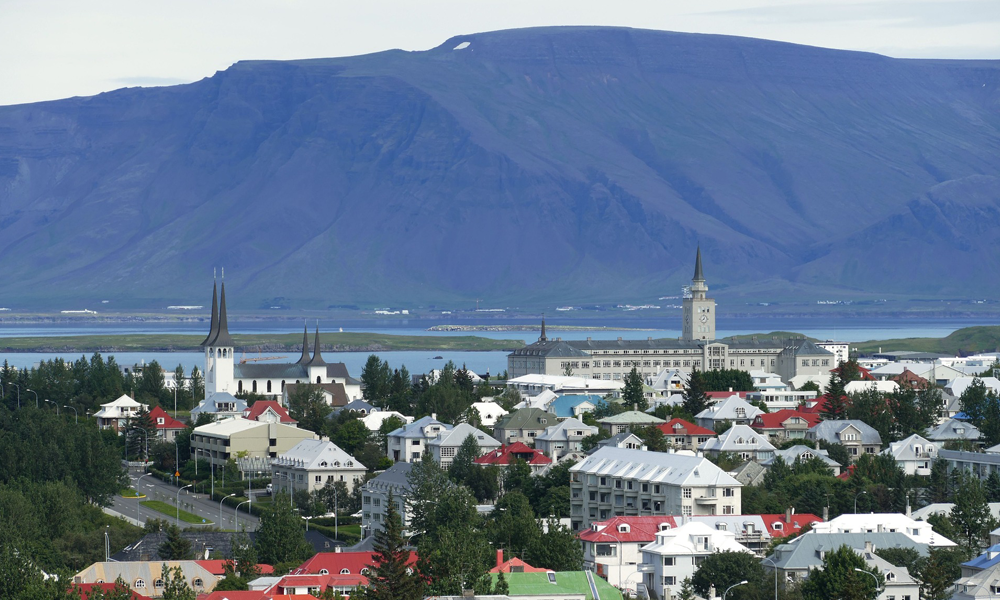
Reykjavik
Iceland

Paired with Baerum
What the Mission city have to say about the pairing:
- Environmentally and socially sustainable neighbourhood.
- Community developments in relations to travel modes and buildings.
- Investigation of the socio-economic theory of change for changing mobility behaviour.
- Comparison of the environmental cost of different parking solutions, emissions from building materials and construction, and land use change.
- Collaboration with cities that share some of the same drivers and hinders for mobility change in darkness and volatile winter conditions.
- Learn and share thoughts on drivers for change.

Sarajevo
Bosnia and Herzegovina

Paired with Brno
and Kumanovo 
What the Mission city have to say about the pairing:
- Net Zero Citizen Assembly – Pioneer of a participatory process, engaging 70 randomly selected citizens in shaping climate-neutral solutions across key themes: AFOLU (agriculture, forestry and other land use), climate change adaptation, sustainable mobility, air pollution, energy-efficient buildings, and decarbonized heating and cooling.
- Multi-stakeholder platform for climate transition – Structured platforms for regular dialogue and co-creation of climate actions, aligning public and private efforts toward decarbonization, through the Enterprise Alliance, Civil Society Forum, and collaboration with international financial institutions.
- Innovative participatory methodologies for urban space design – Design of urban green spaces such as community gardens, food forests, and microclimate mitigation zones, to strengthen climate resilience while fostering co-ownership and stewardship among residents.
- Institutionalisation of citizen engagement- Learn how other cities have embedded citizen assemblies or participatory processes into their permanent governance structures, ensuring continuity, legitimacy, and cross-departmental coordination beyond pilot initiatives.
- Innovative funding and incentive models – Explore creative approaches for financing citizen and stakeholder engagement activities, such as participatory budgeting or blended finance models that support long-term participatory climate projects.
- Scaling co-creation for urban climate project – Find replicable methodologies for scaling participatory design in complex urban interventions, such as food forests, nature-based solutions, and climate-resilient infrastructure, while maintaining inclusivity and quality of outcomes.
- Enhanced stakeholder engagement strategies- Improve methodologies for engaging diverse citizen groups, businesses, and civil society in climate planning and implementation, with a focus on equity, inclusion, and long-term collaboration.
- Practical tools for participatory urban design – Gain access to concrete examples and tested tools for participatory design of green and climate-resilient urban spaces (e.g. urban gardens, food forests), integrating co-creation in spatial and environmental planning.
- Capacity building for climate governance – Strengthen the skills and institutional capacity of local government staff to manage and scale participatory processes, including technical know-how, facilitation methods, and monitoring of participatory outcomes.
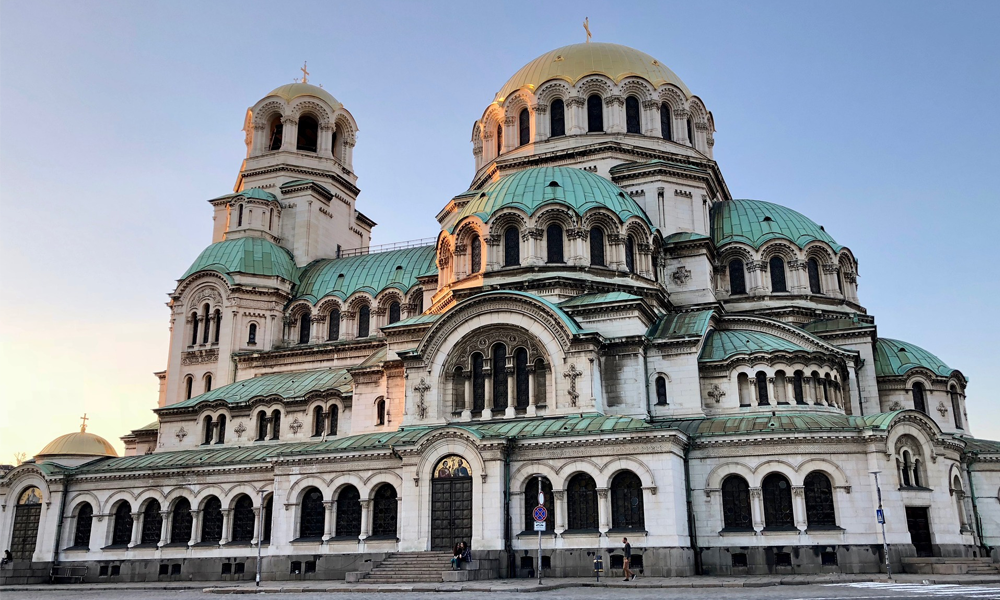
Sofia
Bulgaria

Paired with Győr
and Mersin Yenisehir
What the Mission city have to say about the pairing:
- Energy renovation of municipal buildings – Implementation of innovative energy efficiency measures and installation of photovoltaic systems or other RES, including a phased investment plan for step-by-step implementation and public awareness-raising initiatives to ensure long-term behavioural change and stakeholder engagement.
- Energy management system in municipal buildings – Automated control of energy flows and devices to reduce energy consumption, improve performance, and support data-driven decision-making.
- Infrastructure Challenges – Inadequate infrastructure, outdated building standards and designs that contribute to high emissions and energy costs in the built-up environment, outdated metering systems and devices.
- Regulatory and Institutional Gaps – Coordination challenges among national, regional, and municipal authorities causing the inefficiency of climate policies implementation, sustainable urban planning practices not fully integrated into current development frameworks.
- Behavioral and Social Barriers – Low public awareness and support for climate policies.
- Improved practices in data collection and management, including integration into user-friendly digital platforms to support evidence-based planning and climate-related decision-making.
- Enhanced technical capacity for the design, implementation, and monitoring of ERM systems in public infrastructure and buildings.
- Access to practical examples and peer-tested solutions that address physical constraints in urban infrastructure, particularly related to cycling networks and public space limitations.
- Stakeholder engagement strategies – Gaining insights into successful methods for involving citizens, businesses, and civil society in the implementation of local climate policies.
- Financing mechanisms for local climate initiatives – Exploring funding tools, public-private partnerships, or incentive models that enable the scaling-up of renewable energy or sustainable mobility projects.
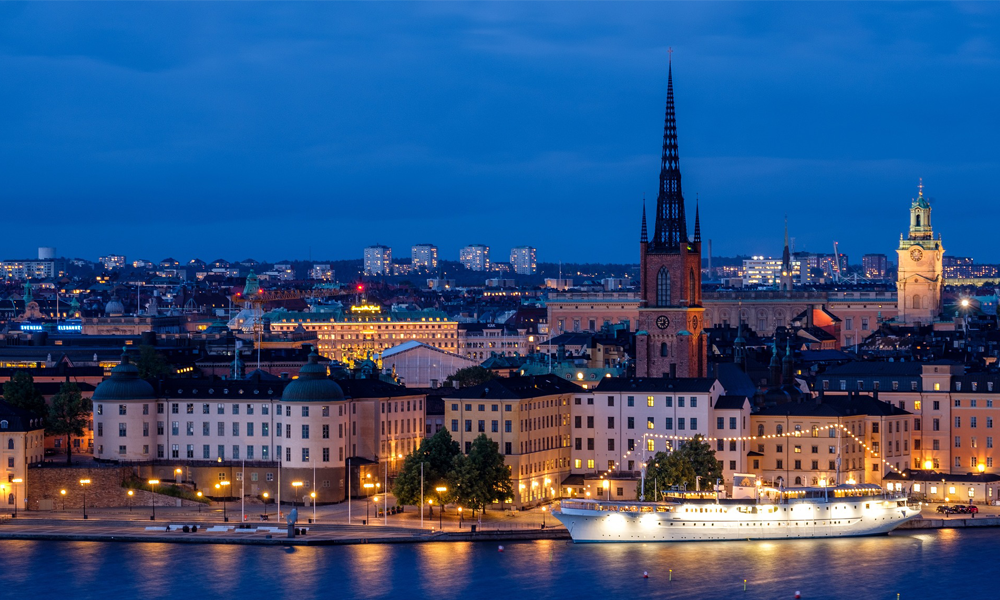
Stockholm
Sweden

Paired with Salzburg
What the Mission city have to say about the pairing:
- District heating with bio energy and carbon capture and storage technology, to create carbon removals and consequent negative emissions.
- City environment zones, parking restrictions and green spaces to enhance air quality and create social values.
- Sustainable city development area Stockholm Royal Seaport, a holistic approach to foster innovative solutions for further scaling.
- Innovative financing sources such as philantropies.
- Inclusion of broad groups of citizens and actors.
- Advocacy work to change national policies and economic incentives.
- Enhanced methods to work with inclusion of citizens, businesses and organisations.
- New insights into effective organisation and governance to deliver on ambitious climate goals.
- Means to give cities a stronger voice in national and European policy making.
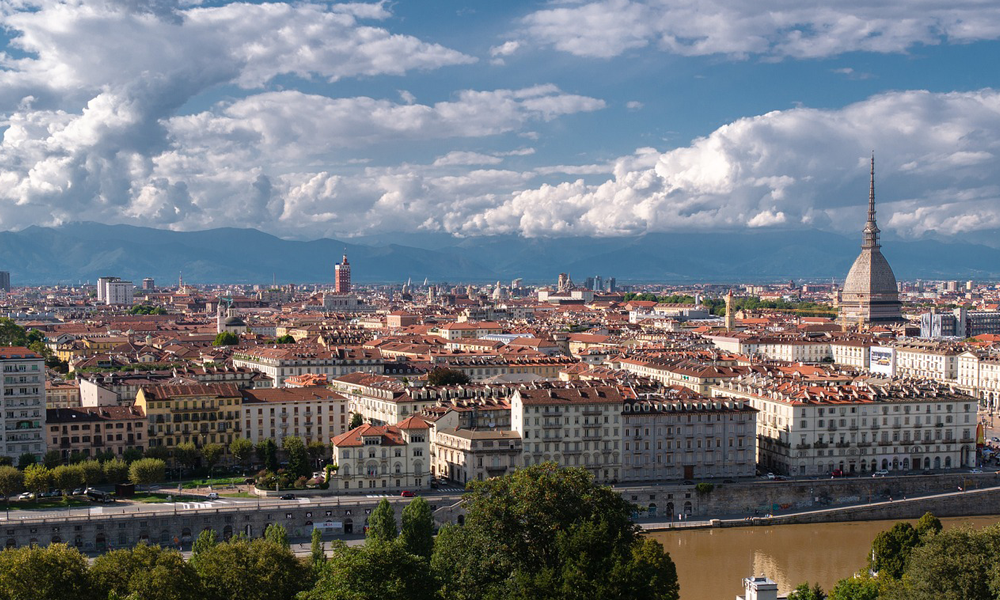
Torino
Italy
Paired with Cascais
and Alytus
What the Mission city have to say about the pairing:
- Renewable Energy Communities (RECs) – Creation and delivery of tools aimed at mapping emerging RECs within the city and providing services to support their development, with the creation of a “CER Help Desk” that offers guidance, matchmaking between RECs and citizens, funders and owners of spaces for PV installation, both in digital and physical format.
- Sustainable Mobility and Behavioural Change – Development of approaches to promote behavioural change following investments (e.g., new cycle paths, renewal of the public transport fleet with electric vehicles), with a focus on awareness campaigns to encourage the use of bicycles and public transport.
Renewable Energy Communities:
- Technical and legal barriers to the establishment of RECs, with particular reference to those created by or involving local authorities and public administrations.
- Social engagement and citizen involvement in the creation and management of RECs.
- Identification of spaces for PV installation and technical analysis of public buildings.
Sustainable Mobility:
- Techniques and strategies to stimulate long-lasting behavioural change among citizens, transforming the City’s investments into a tangible increase in the use of sustainable mobility
- Obtain practical insights and constructive feedback to refine ongoing climate actions.
- Analyse the replicability of models, such as the ‘CER Help Desk’, and compare approaches for supporting sustainable mobility with the experiences of the Twin City.
- Exchange views on concrete solutions to overcome operational and regulatory obstacles, learning how other cities support community projects and manage the integration of sustainable mobility services.

Umeå
Sweden
Paired with Prague
What the Mission city have to say about the pairing:
- Umeå Climate Roadmap – Local green deal for stakeholders in Umeå, enabling private initiatives and investments for the transition, strengthening collaboration, knowledge exchange, build capacity, and creating a community around a common mission.
- District heating and recovered heat – 60% of buildings connected to district heating, improvement and reduction of emissions by extracting plastic waste before incineration with a new sorting facility, and piloting industrial-urban symbiosis to recover industrial heat for the DH system in the Hydrosym project.
- Portfolio governance – Govern a transition without a masterplan, enable transitions by providing the right framework and a common heading, visualise transition pathways and integrate them in organisational planning and budgeting.
- Lowering emissions from personal transport – Focusing on car free / low-car neighborhoods and how to get there, and manage decisions ahead of time, especially regarding infrastructure and built environment.
- Just transition – Keep in sight the social values in the transition, and include all actors in society, especially civic society and citizens, to be part of concrete climate action.
- Accelerate implementation – Increase the pace of implementing and scaling of best practice and successful pilots.
- Feedback on climate actions.
- Green transition in a (fast) growing city and how to align growth and net zero.
- Citizen engagement: strategies, examples, funding and impact.
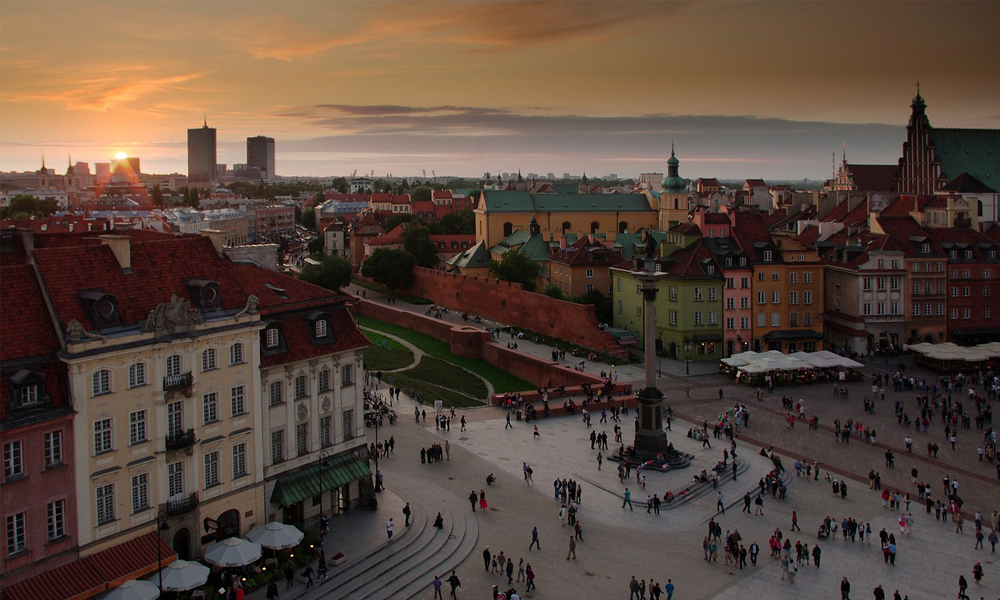
Warsaw
Poland

Paired with Vantaa
and Lviv
What the Mission city have to say about the pairing:
Warsaw Green Building Standard (WGBS)
-
- Comprehensive document with a set of requirements and assessment system for newly designed urban buildings, to ensure compliance of a given investment with the objectives of the Warsaw Green City and Climate Action Plan, adopted by the Council of the City of Warsaw.
- Assessment system used to verify the compliance at the construction design stage into six areas: Greenery and plot development; Water management; Energy efficiency; Sustainable mobility; Elements of the circular economy, building materials and solutions; Health, comfort, and safety.
- First such comprehensive local government document to support the idea of sustainable construction in Poland and one of the first in Europe, already followed by five cities in Poland and one in Slovakia.
-
Good practices in the sustainable construction sector and innovative legislative solutions at local government level that are changing the approach of designers and investors in the design and planning of new developments.
-
Gaining knowledge in modernisation standards, as Warsaw is currently preparing the next Warsaw Green Modernisation Standard (WGMS).
-
Promotion and dissemination of knowledge about sustainable building standards and sustainable building modernisation, passive and near zero emission buildings.
- Feedback on best practices in legislative standards for sustainable construction and sustainable retrofitting of buildings and their surroundings.
- Learn about best practices that can be implemented in Warsaw, which are successful in other cities and have been implemented by local authorities and to share best practices from Warsaw with other cities.
- Practical examples of buildings constructed in accordance with sustainable construction principles and modernised in a way that reduces their impact on climate change.
Disclaimer – Information presented here is not exhaustive and only gives an overview.
Consult the FAQ of the Twinning Learning Programme.
Still have questions? Feel free to contact twinning@netzerocities.eu