Author: Barbara Jarkiewicz
In Europe, the green transition is often illustrated by solar panels on roofs, wind turbines on the horizon and cyclists on busy streets. Yet a huge share of urban energy still disappears into something far less visible: the heat that keeps homes, schools and offices warm. How and when that heat is produced, distributed and used can determine whether a city meets its climate targets.
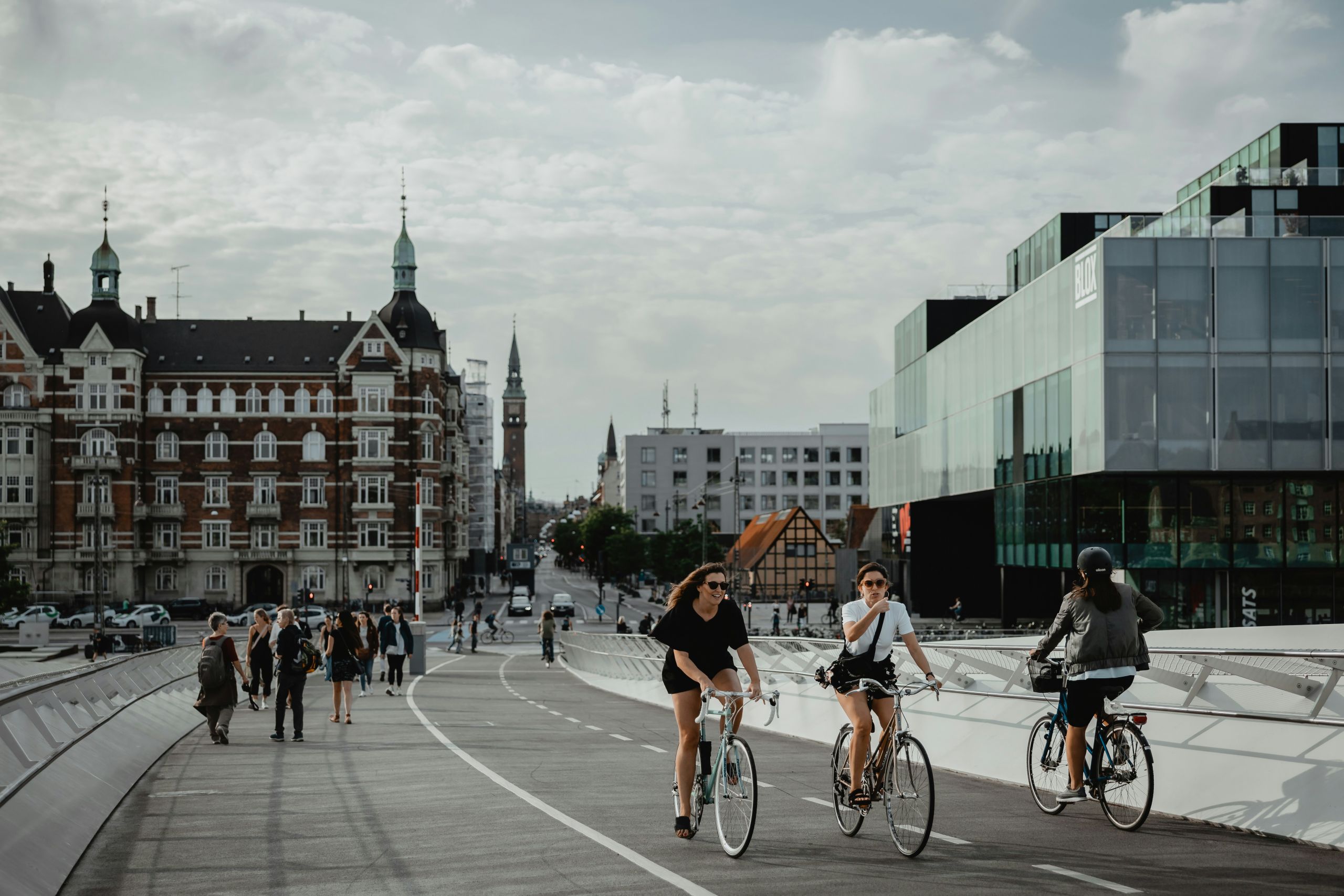
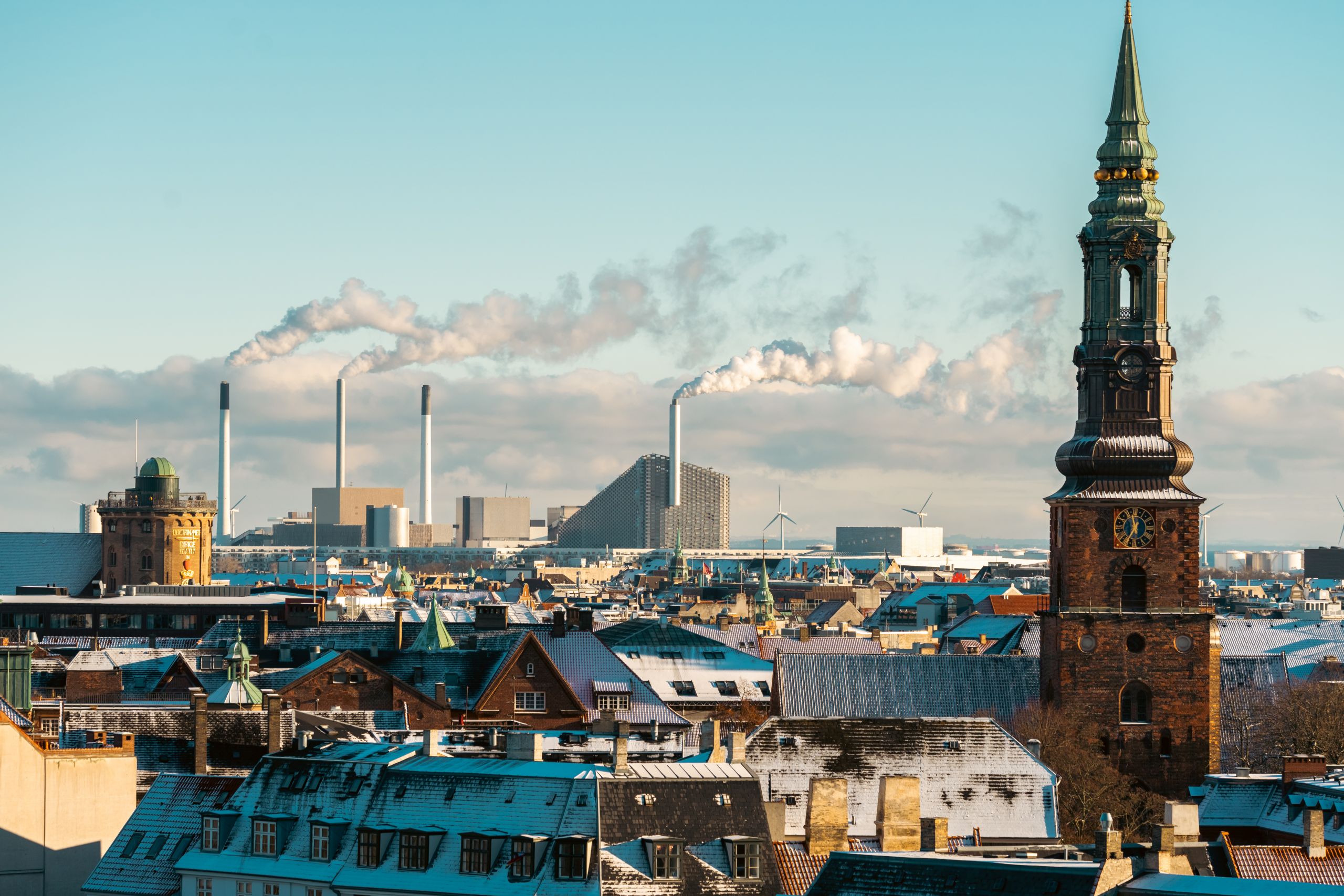
Copenhagen has already taken significant strides on the visible aspects of its green transition. Wind turbines on the horizon, cyclists in every lane, district heating in most homes. With its Flexumers4Future project under the NetZeroCities Pilot Cities Programme, the city is now turning to a less visible frontier. The ambition is to turn buildings from passive consumers of heat into active “flexumers” (flexible consumers) that help balance heat demand and supply, cut emissions at critical hours, and, in the long run, support the goal of becoming climate– positive by 2035.
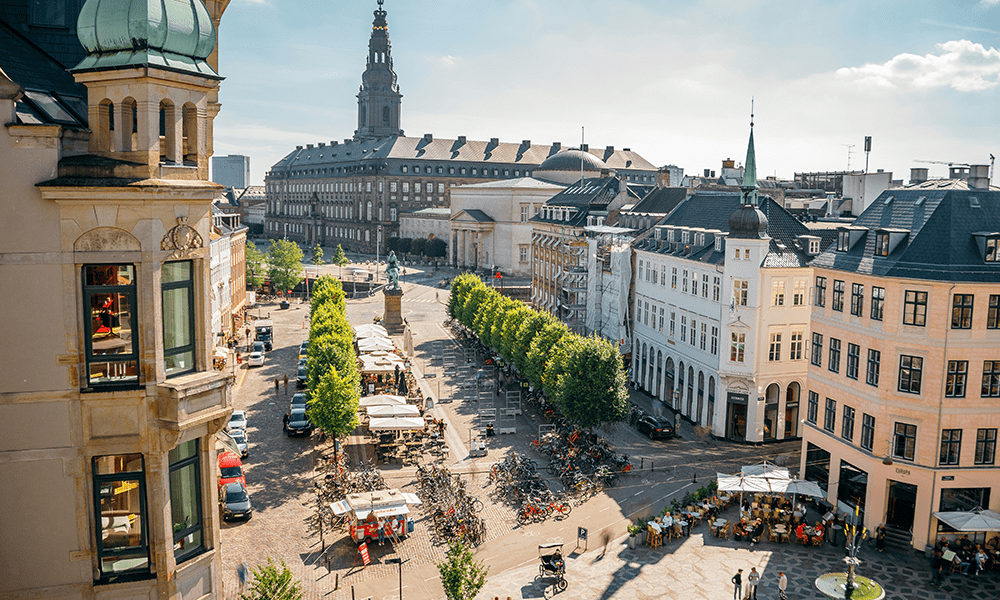
For Kirsten Dyhr-Mikkelsen, senior project manager from Copenhagen’s Climate, Environmental, and Technical Department, this new focus on heat fits within a broader story about the kind of city Copenhagen wants to be.
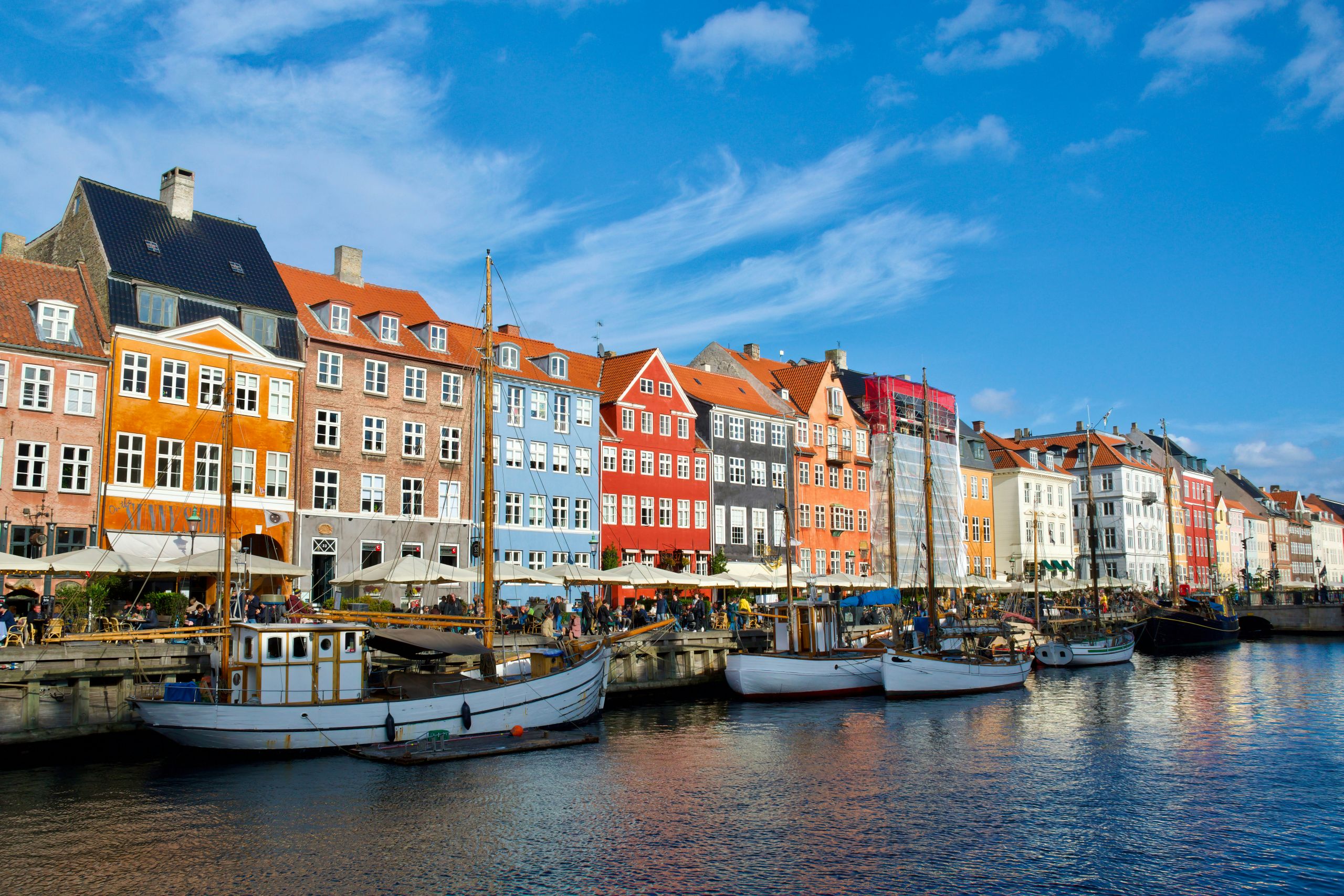
“Our motto is ‘Copenhagen – a liveable city for all’. We strive to accommodate the needs of everybody. It’s a task of an impossible balance, but that is our ambition”.
She contrasts Copenhagen with other metropolises, where the prevalence of cyclists and pedestrians makes the Danish capital “a very human city”, with much living space between buildings, green areas and the lack of skyscrapers. The same instinct for proportion and balance informs the city’s approach to its climate goals.
Stretching ambition and widening the frame
Copenhagen’s climate strategy has shifted from a mainly technical decarbonisation plan to a broader rethink of how the city works. In 2012, the city launched the CPH2025 Climate Plan in preparation to host COP15, where the target was to become the first carbon-neutral capital. With the new climate strategy 2035 Copenhagen has widened the scope and added targets for the reduction of carbon emissions. It now seeks to reduce carbon emissions related to the consumption of goods & services and capital investments with the municipality acting as a facilitator of knowledge towards the citizens.
“The city administration can only impact so much by itself, as the citizens and companies within the city has a much bigger impact on carbon emission – however we cannot dictate but facilitate. And in order to reach the agreed targets successfully, all Copenhageners, big and small, must be on board,” said Dyhr-Mikkelsen.
To navigate this complexity, Copenhagen has expanded its collaborative efforts immensely, including external stakeholders and every city department.
Externally, the city held local climate summits and invited a citizen climate council to reflect on possible pathways to a sustainable and liveable city for all. In neighbourhood meetings, residents engaged directly with the city, asking “what can we do” and coming forward with concrete ideas.
“The commitment to stakeholder collaboration has given the city administration new insights in their point of view and sharpened awareness across departments of how day-to-day decisions influence climate and energy outcomes,” said Dyhr-Mikkelsen.
Heating flexibility as the next frontier
The Flexumers4Future project grows directly out of this systemic view and contributes to the strategy’s focus on sustainable energy.
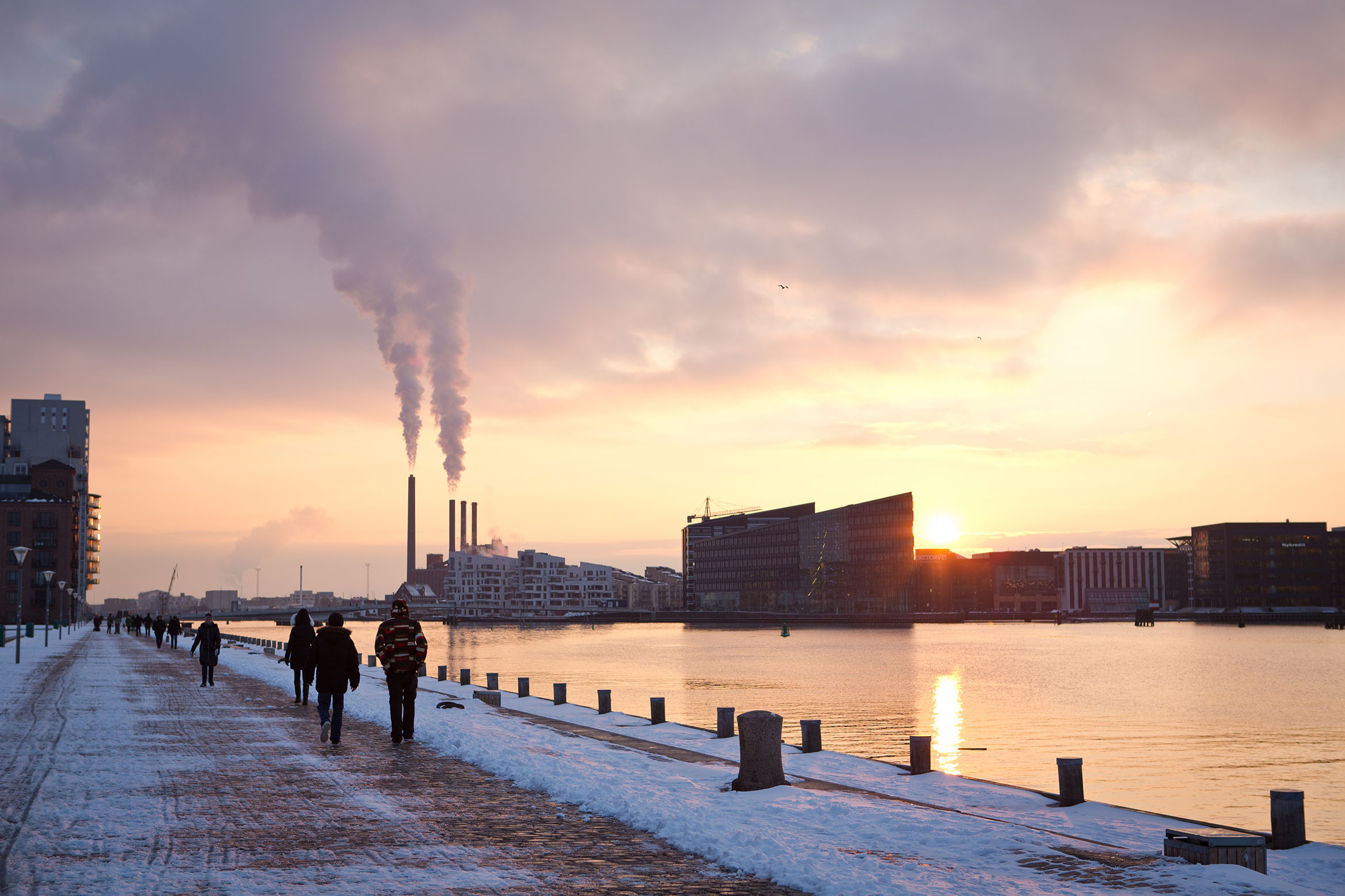
“You have to think systemically because every building in the city needs heating. However, unlimited sustainable district heating may not always be available. If some buildings can shift their heat demand to other time periods, the system has a greater chance of becoming sustainable. Flexible district heating allows this and not only helps green transition but further resilience and affordability in case of interruptions in heat production while improving possibilities for sector coupling with the electricity grid.” Dyhr-Mikkelsen said.
In her view, the challenge is not only to install decentralised heat production or to establish energy communities, but also to ensure good integration between buildings and the existing district heating system. This allows for flexible heating, which helps to avoid carbon emissions and keeps energy costs for citizens and businesses at a reasonable level.
Before joining the Pilot Cities Programme, the city had been working with the concept of positive energy districts through the EU ATELIER project and had already tested flexibility in a small group of its own buildings, looking at both heat and electricity.
“The team asked: What is the value? How do we determine the profile of the building? When can we switch the heat supply off without causing discomfort to the building’s users? Flexumers4Future is taking the technological proof of concept of flexible heating to a city-wide scale to understand systemic possibilities of the technology,” said Dyhr-Mikkelsen.
With Flexumers4Future, Copenhagen aims to support the deployment of flexible heat consumption solutions in three types of buildings: municipally owned buildings, privately owned and professionally operated buildings, and privately owned, non-professionally run buildings. The plan is to install digital building control with online communication, and to develop tools and concepts for wider application.

“The idea was to mobilise a number of buildings sufficient to test if we can achieve enough flexibility to be of value to the district heating system as an alternative to engaging peak-power-plants (emitting CO2) by lowering the city-wide heat demand, for example, 10 to 15 MW heat capacity” said Dyhr-Mikkelsen.
The governance experiment inside the Pilot
Flexumers4Future is as much a governance experiment as a technical one. According to Dyhr-Mikkelsen, Denmark is a highly regulated society, and that can be difficult when you have to change rapidly, given the climate challenge.
“We, as the city planners, are used to long– time horizons and being in control using primarily a top-down approach, but the climate crisis and need for security of energy supply require planners to become more agile and sharing responsibilities in a new way.”
The Pilot team consists of HOFOR (the local district heating company) and the city administration. The latter is composed of four departments: the department of innovation (Copenhagen Solutions Lab), the department operating municipal buildings, the city rejuvenation department, and the climate strategy department. HOFOR is responsible for engaging Varmelast in activating heat flexibility. Varmelast handles load dispatching of the heat production in the greater Copenhagen area.
“And it is no easy task to establish a way of cooperating efficiently between these five very independent units and achieve synergy” said Dyhr-Mikkelsen. “Overall, the organisational and cultural change required to bring about the green transition fast and in a fair manner cannot be underestimated – it is a huge task.”
Legal constraints make the task harder. By law, the district heating company is not allowed to interfere with building installations, such as IoT/intelligent heating systemts, and is not allowed to share their customer details with the city administration. Within those limits, Pilot activities move on several fronts. The city is mapping which buildings have enough thermal mass, who owns them and what their energy labels are. The goal is to onboard buildings that already have simple control units, which are typically multi-family buildings.
At the same time, Copenhagen is preparing the next step. In an Interreg ÖKS project that started in September 2025, the city is exploring heat flexibility in larger buildings with complex building management systems to assess the relevance of heat flexibility becoming part of mainstream heat services.
Dyhr-Mikkelsen points out that just by digitising the heating system, the building owner can typically achieve 3% to 7% savings without any loss of comfort, and that adding predictive weather control based on forecasts and a building’s past response to temperature and wind conditions can optimise performance even further.
A city-scale lab for Europe’s climate transition
The Pilot project gives Copenhagen a structured space to explore how far these ideas can go and how to design viable business models for building owners, operators and the district heat utility. It also links the work on flexibility to HOFOR’s plan to transform an entire city district to lower temperature district heating.
Flexumers4Future offers a concrete glimpse of what a flexible, building-centred energy system could look like. It shows that climate positivity will depend not only on new generation capacity, but also on how existing buildings are operated and interact with the energy system. Here, digitalisation is key and a strong collaboration between the city administration and HOFOR is needed to mobilise the interest of building owners.
The Pilot Cities Programme provides a European framework in which to tackle those questions side by side with other European cities, learning and experimenting together. Copenhagen is using that frame to turn its district heating network into a living laboratory for the next generation of urban climate solutions and to share this learning with other European cities to follow suit.