The Swedish port city's many departments and companies are led by a multi-year environment and climate programme until 2030, but close collaboration needs a shared journey, not only a common destination. With the help of NetZeroCities' Capital Hub, steps towards green finance are opening up new conversations – even with existing partners.
By Alan MacKenzie
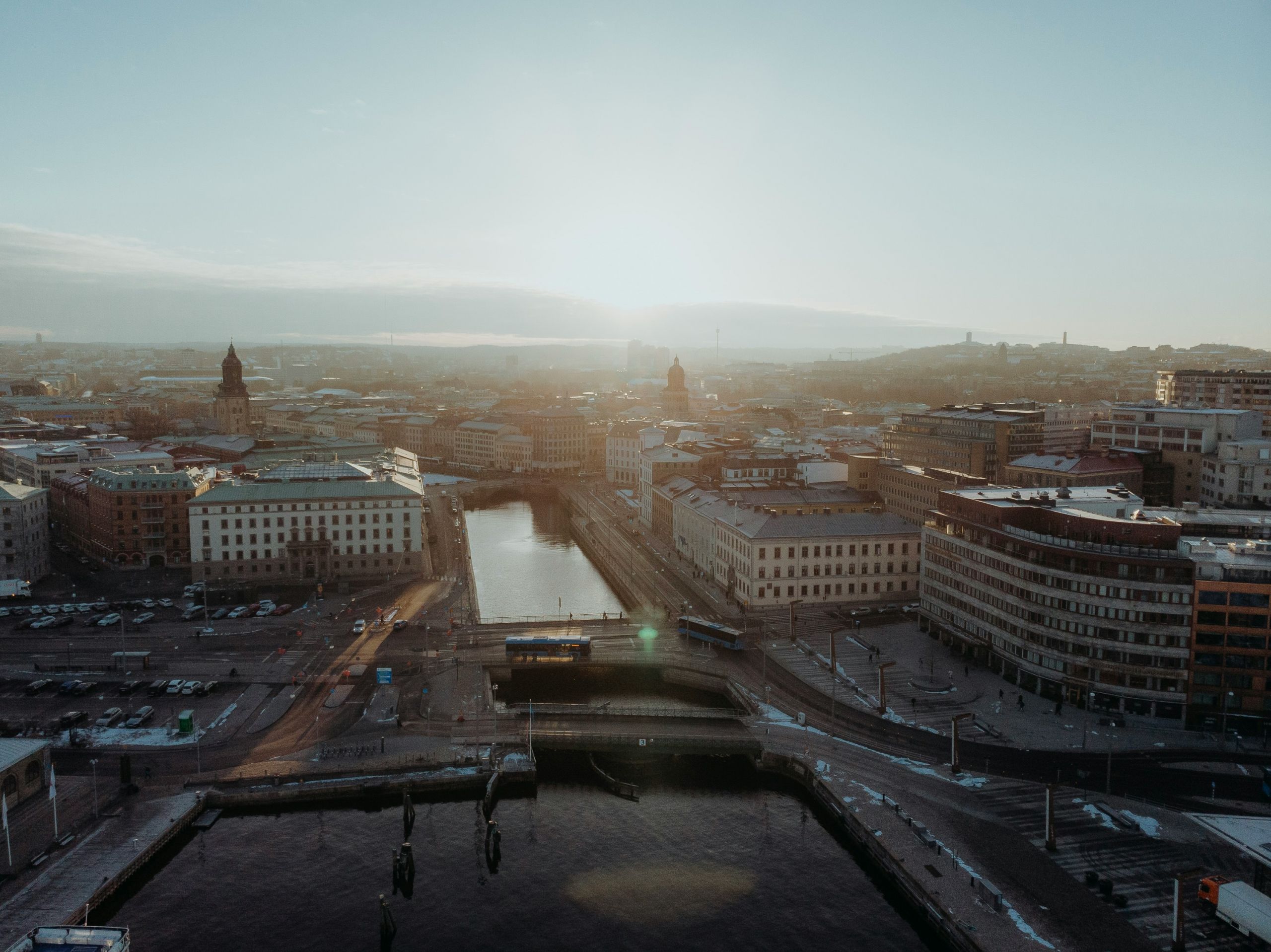
Michelle Coldrey from Gothenburg has been speaking to other Swedish cities about her city’s work with finance specialists from NetZeroCities.
“Why not? Give it a go,” she tells them.
Coldrey, who works on Gothenburg’s environment and climate programme, recognises that city staff can be hesitant about conversations that touch on finance, especially with external actors, if it isn’t their specific role or area of expertise.
Patience and perseverance, on all sides, is a must for understanding partners’ needs and what is possible.
“You have to give a little bit of time, because it does take time for people to understand what [the offer] is,” says Coldrey.
“My recommendation would definitely be, make a start […] have a meeting, and understand what the Capital Hub is, because once you understand it, it can go quite fast from the first meeting to actually having a project up and running.”
Gothenburg has significant experience to speak from. Through the Capital Hub – a service financed by the EU Cities Mission that helps cities go beyond municipal budgets and attract private investment for their climate plans – projects with two local partners are being supported. One with Renova, the city’s waste-to energy (WtE) facility, and GHAB, the port of Gothenburg, the largest freight hub in Scandinavia.
Notably, both companies are city-owned, but this isn’t a guarantee of easier coordination – even within small departments there can be silos that restrict communication. And between large organisations, a common working language needs created.
“[Renova and GHAB] are owned by the city, but they operate in a different way than the city administrations do. So, by having this dialogue and starting these projects, we were able to get a better understanding of how they work, their financial framework, and what is actually feasible.”
“That’s what we hoped that the Capital Hub would help us with, to try and break those silos and initiate dialogues. And it has helped,” she says.
A common goal – but a common language?
For staff focused on climate and the environment, the language of finance and investment isn’t necessarily one they recognise. A cold call to a potential partner about a joint project, therefore, could easily raise anxieties when the question of funding – how much and where from – is ever present.
“As a city, we don’t talk in those terms. We don’t go around talking about business models. So, there was a little bit of fine tuning to actually explain, ‘okay, what does he mean?’ You’ve got to have a good open dialogue, which I think we’ve had.”
And having a solid offer of support that, initially, would be about financial expertise and advice, rather than finance itself, made the conversation easier to start for Gothenburg and its project partners.
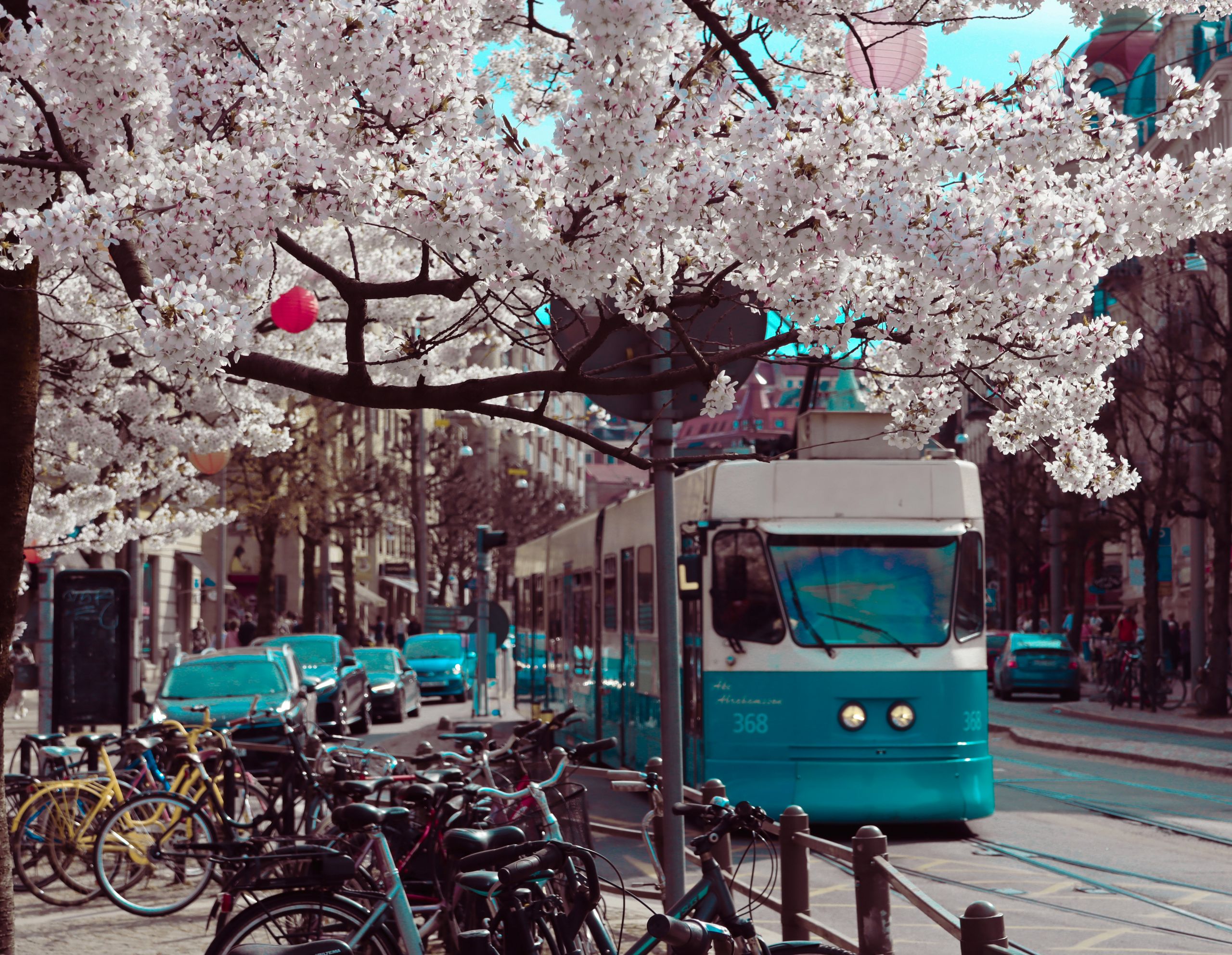
“We went to Renova and the port with an opportunity [and], the Mission and NetZeroCities, it’s just so big that the Capital Hub was something we could grab onto.
“Sure, it can lead to investment, but at the beginning, it’s not about the Capital Hub having a little purse full of millions of euros that it’s going to hand out,” says Coldrey.
“We tried to focus more on the expertise or other areas of Capital Hub support that could perhaps one day lead to new investments.”
Ultimately, the access to finance specialists and expertise made other conversations possible, adding some effective capacity to think differently.
“We were able to use the NetZeroCities network concretely [and] start a dialogue, which enabled us to get a better idea of Renova and the port and what kind of priorities they have in their climate work,” says Coldrey.
Shared and stable direction
It's no small matter that there is political support for the city's direction, providing stability and confidence for partners to make longer-term plans.
"From this programme that we have, that is politically decided, then they can make their own plans on how they're going to work towards 2030. But we're all aligned and, of course, as companies, they're able to do a little bit more, maybe a little bit faster, leaning towards the environment programme that the city has adopted," says Coldrey.
"We need to just keep reinforcing that we are one city. And as part of this Mission work, we're able to do that."
Small steps first
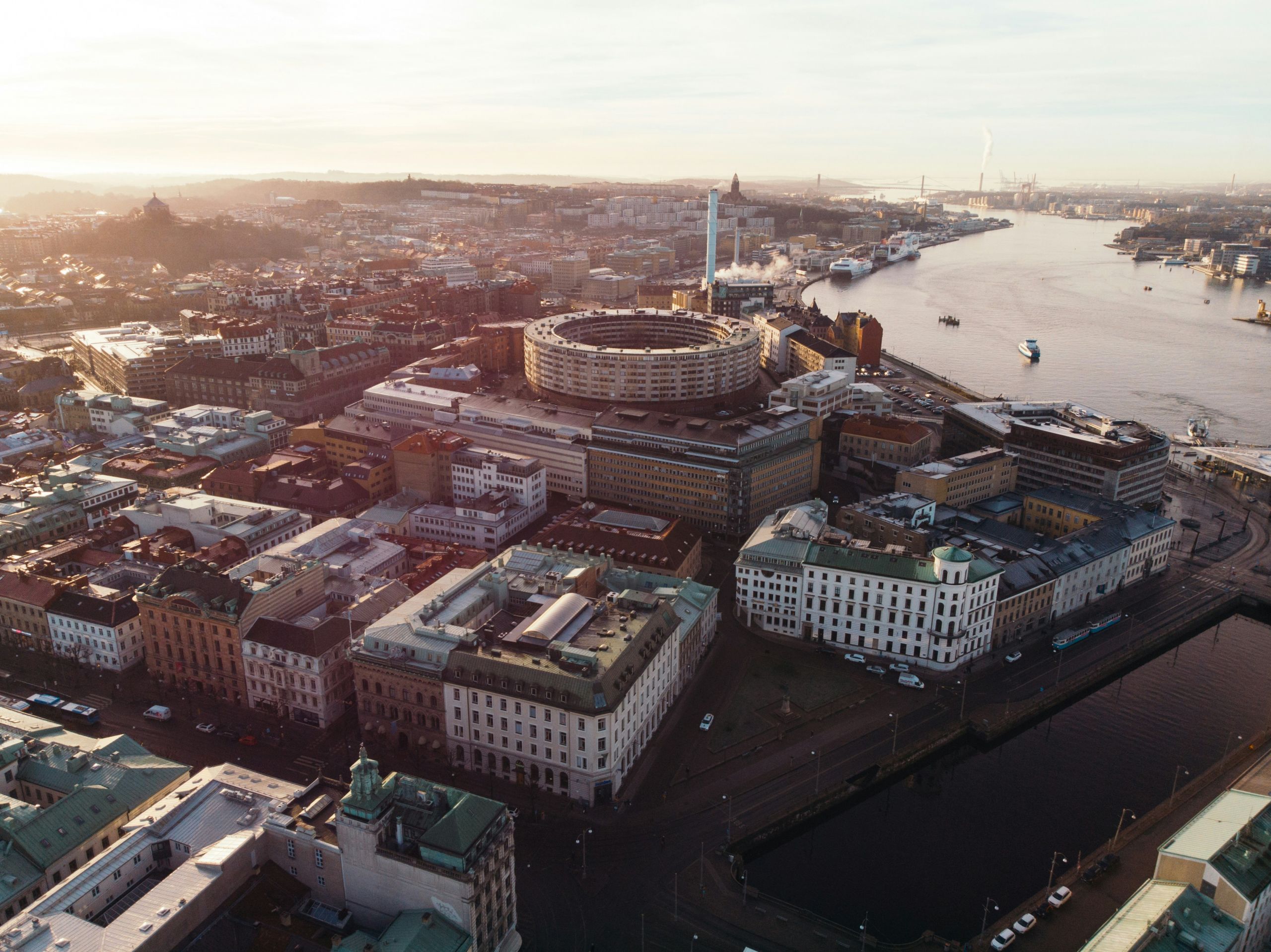
When encouraging new partners or other cities, Coldrey stresses the need to take small steps, at least initially, to avoid overwhelm.
“It doesn’t have to happen tomorrow,” she says.
“It doesn’t [have to] include the whole environment and climate programme or the whole infrastructure, it can be a bit of it. You can just start there, breaking it down to what is manageable.”
Beginning this way gets things moving, and Gothenburg has been able to capitalise on this, now it has experiences to share and partnerships to promote.
“Because we’ve got this [relationship] with Renova and the port, it’s easier for us to then say to others, ‘but you’re not the first one,’” says Coldrey.
“Once you start, it’s easy to get a bit of momentum.”
To read more about Gothenburg’s 2030 climate neutrality goals, take a look at its Climate City Contract here.