
Meet our Mobility Champions!
Sustainable city transit not only cuts emissions. Less traffic noise, better air quality, and safe spaces to walk or cycle fundamentally shape our quality of life.
Across Europe, Mission cities are redesigning their transport systems with exactly this in mind. By making energy, spatial planning, and citizen engagement core features of their approach, cities likewise systematically reshape urban life.
With the support of NetZeroCities, experimental approaches, new data and governance models, and policy mixes are emerging to lead the way.
Explore our five mobility champions who embody cities’ dedication to confronting challenges, creatively designing solutions and harnessing their people power to bring climate ambitions to life.
Find a solution for your city today and take action now.
Ioannina, Greece
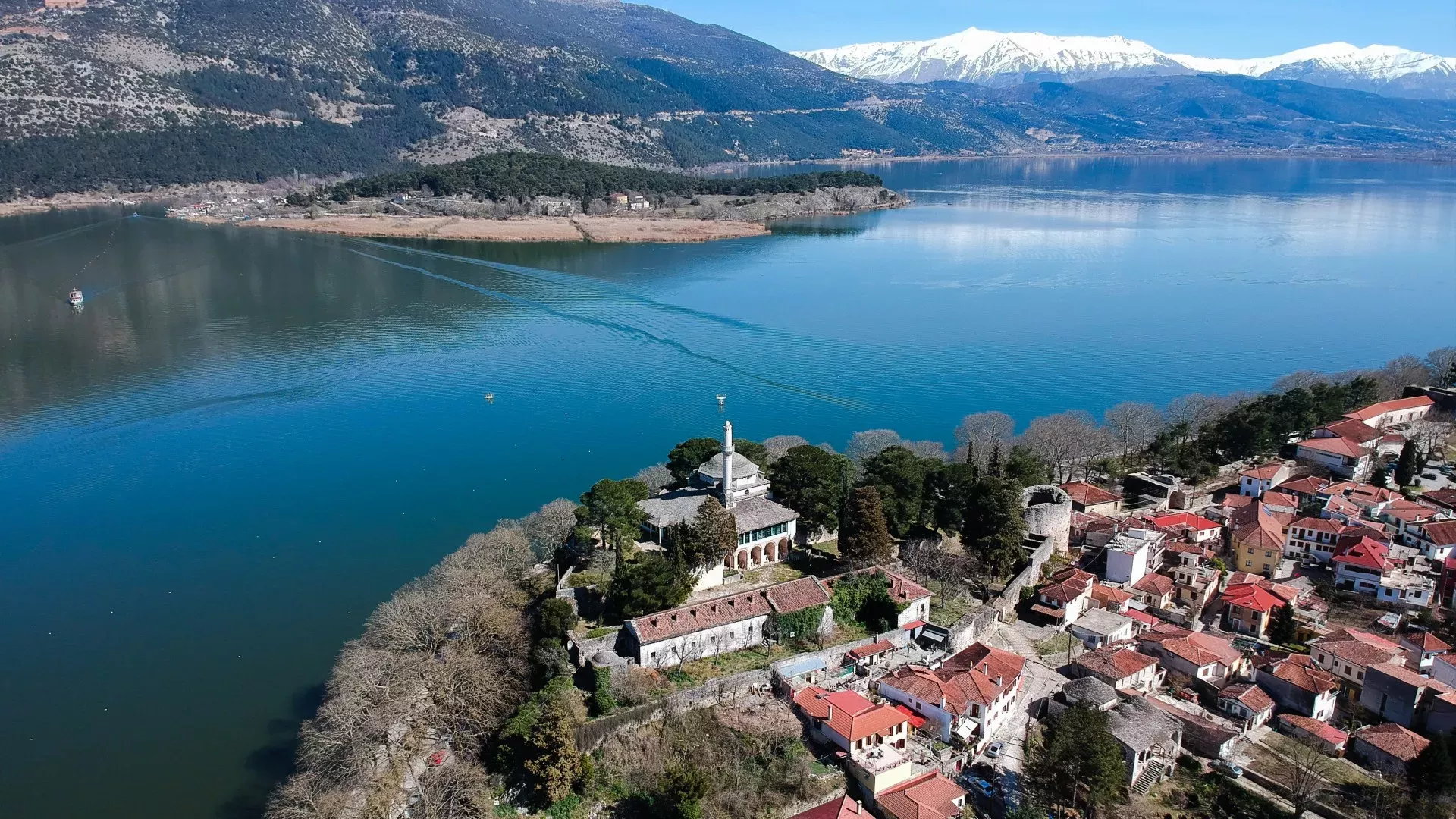
“We’re running neighbourhood-scale experiments to move towards our net zero vision, using a zoning approach to create a sense of climate security for citizens and visitors. Car-free zones, low-speed areas, and mixed-use streets – these can be difficult infrastructurally. But it opens up so much public space for people. We can’t underestimate how transformative that can be.”
- Giorgos Antoniou, Project Coordinator for the Ioannina’s participation in the Pilot Cities Programme
How did Greece’s Ioannina simulate a greener city using the nation’s first standardised methodology for Climate-Neutral Zones?
In 2019, Ioannina’s emissions stood at 352,000 tonnes of CO₂ equivalent. But the city committed to cutting that by 80% by 2030 – an ambitious target that surpasses national goals and positions Ioannina as a frontrunner in Greece’s climate transition.
To reach its targets, Ioannina undertook an exciting first step. Through the NetZeroCities, Pilot Cities Programme, the city received funding and technical support to pilot the CRISP project, which delivered a clear win. The city created its first-ever standardised methodology for “climate-neutral zones” (CNZ) – distinct areas within the city where deep, locally tailored interventions are tested and refined.
The methodology marked a first for Greece: a structured framework for identifying, scoping, and modelling neighbourhood-level decarbonisation, closing a gap that had existed at both the municipal and national level. Putting the method to the test, the city ran simulations – modelling energy upgrades, green space, and mobility changes – on screen before laying a single cycling lane or pedestrian street. To carry those ideas from drawing board to street level, Ioannina created a consortium composed of a law firm, urban planners, engineers, and academic researchers, grounding its plans in both technical and legal reality from the start. From there, the city turned to its residents, running co-design workshops and engaging local schools to shape the final design.
The result is a model for inclusive climate governance now poised to inform national CNZ regulation – and one that’s already found its way to Athens, Kalamata, and Kozani.
Bologna, Italy

How did four new tram lines inspire Bologna to treat parking as a launchpad for their sustainable mobility strategy?
In 2023, Bologna launched construction on its Red Line, the first of four planned, battery-hybrid tramlines that extend roughly 60km, set to serve 300,000 commuters per day. Residents can look forward to gliding on the Red Line’s inaugural journey by the end of 2026.
But laying the track left the city with a new challenge in its wake – parking spaces would be lost. As an EU Mission city, Bologna called on NetZeroCities’ City Expert Support Facility to help overhaul its urban parking and traffic framework as part of its Climate City Contract.
But before the city began, leadership made two institutionally transformative decisions. Leverage the disruption. And treat parking, not as a regulatory problem, but as a gateway to take back public space and reach broader climate goals.
This flip in perspective led the city to pair their parking strategy with tramline development to cut private car use, expand transit hubs, and boost active mobility, like cycling. That link holistically tied parking policy directly to the city’s Sustainable Urban Mobility Plan, setting in motion their shift towards a fully integrated, low-carbon mobility system.
Kranj, Slovenia

How did Kranj transform transport data into better public mobility?
For almost 30 years, Kranj’s public transport system changed very little. Decisions were often based on fragmented information, making it difficult to understand how people actually moved and which solutions to target. Through the NetZeroCities Pilot Cities Programme, the city launched the UP-SCALE pilot project to change that, partnering with fellow Slovenian cities Ljubljana and Velenje to develop a cloud-native mobility as a service (MaaS) module within the Smart Kranj platform. The MaaS app links different transport modes, like cycling, walking, and buses, to reduce people’s carbon footprint, as well as nudges users toward more sustainable choices.
But when the city began to upgrade its public transport network, it ran into a new challenge. Limited data-sharing from the city’s transport concessionaire made its integration impossible. The city pivoted, instead equipping buses with on-board computers and sensors to collect data independently.
In doing so, the city enhanced its digital route planner, with data so far being used to analyse and improve bus routes, stops and timetables. Insights on users’ most-searched routes now feed back into both the app and broader transport planning. The city also introduced free bus travel during major public events and expanded its CeKR Smart City Card – already used for services like city bikes, parking and the library – to include public transport to make sustainable travel easier and more attractive for residents.
The pilot fundamentally changed how mobility decisions are made. Urban planners, transport operators, municipal departments and communication teams can now work from the same evidence-base of real travel patterns to plan upgrades. That approach is now shaping the city’s long-term mobility strategy and provides a model for other municipalities aiming to overcome similar challenges.
“Changing how people move around a city doesn’t happen overnight. So we made it easier to try something new with an MaaS app that brings together different mobility options, like cycling, walking, and buses. We also talked to residents and organised activities to encourage them to try new ways of getting around. Step by step, we’re collectively making the city a better place to live.”
Polona Prosen Šprajc, Project Manager, UP-SCALE

Tampere, Finland
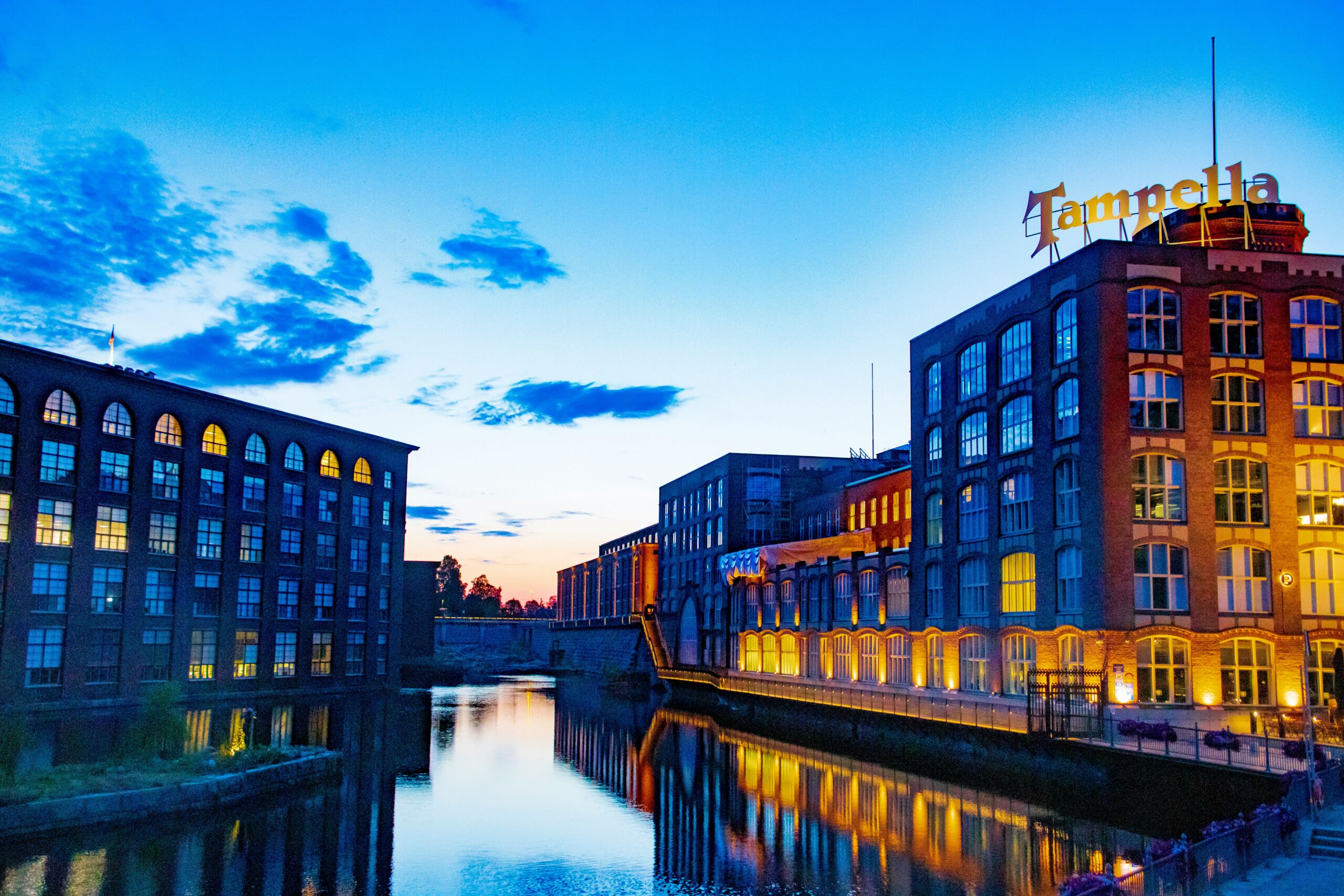
In Tampere, Finland, young people are designing how the city moves – one Lego piece at a time
By 2030, Tampere wants walking, cycling, and public transport to account for 69% of all trips. And by 2023, the Finnish city already reached an impressive 62%. But the distance matters. Most trips under 1 km are made on foot. Yet nearly half the trips between 2-5 km are made by car, even though many of those distances are fit to cycle. With transport sitting at 36% of the city’s CO₂ emissions, more than half from private cars, the city looked towards its future – the youth.
As a vibrant university city, Tampere welcomes scores of students who’re shaping their routines for the first time. But when the city conducted a survey on transport habits, they found something surprising: students already move sustainably. Trams deliver them right to campus. Could the city help maintain those habits as they graduate, build careers, and start families?
Through the NetZeroCities Pilot Cities Programme, Tampere piloted the Mobility Mindshift project, which invited upper-secondary students to plan through play. Through an ambassador network, speculative design workshops, urban gamification, and direct school engagement, students were invited to co-create a greener, more sustainable city – one they’ll be excited to live and move in. The city’s approach offers a creative model for harvesting young people’s ideas and dedication as well as institutionalising the methods that bring it to life in the classroom and the city.
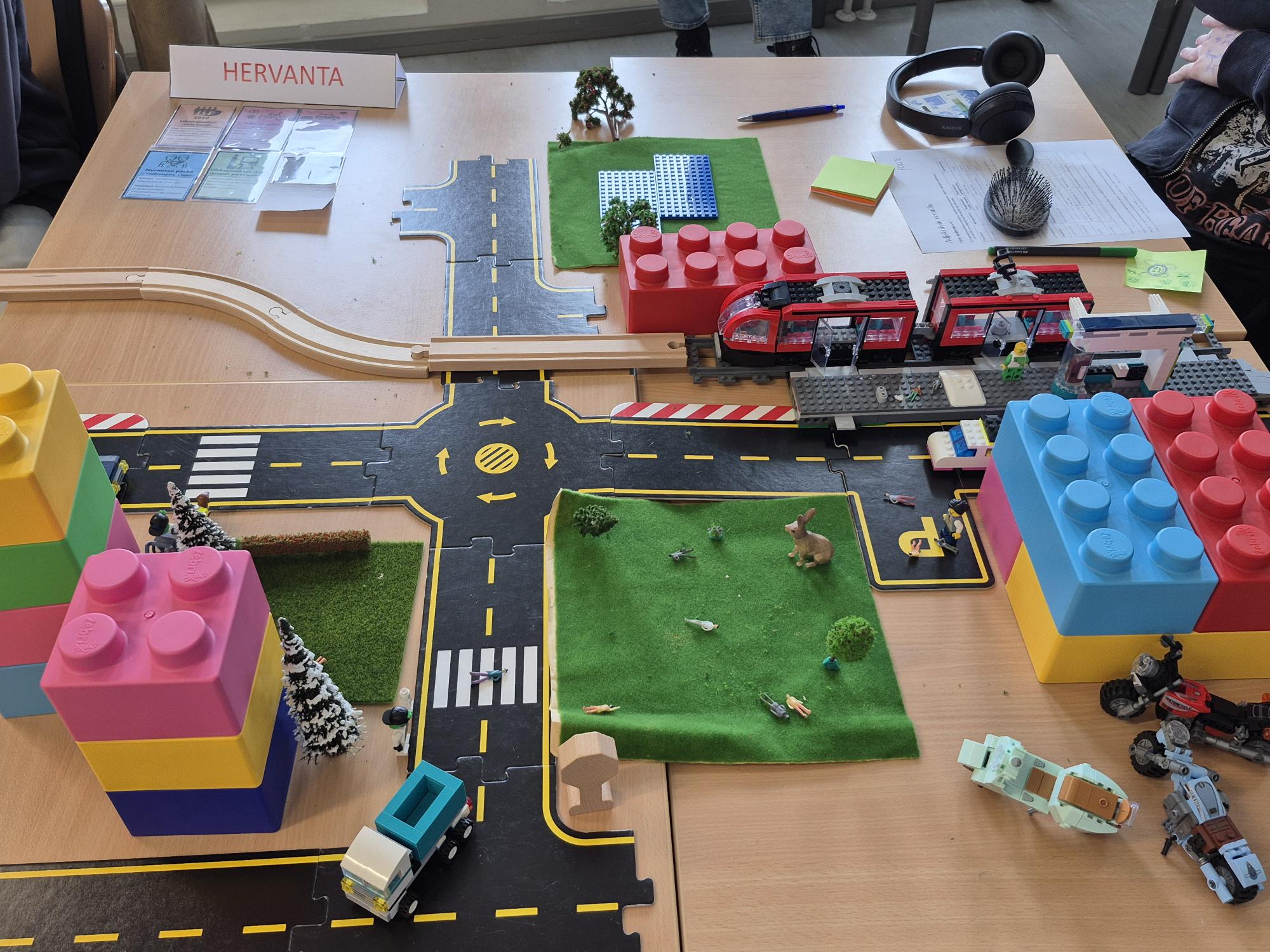

“Young people’s vision of the future can be bleak – unemployment, climate change, war. But our workshop let them share ideas about greener streets, better mobility, and more welcoming public spaces. By exploring positive futures together, they can see that change is possible and that their ideas matter. Building a greener city once – together – can shape a lifetime of greener habits.”
Maiju Juntunen, Project Manager, Mobility Mindshift
How did six Finnish cities unify their policy approach to transform urban logistics?
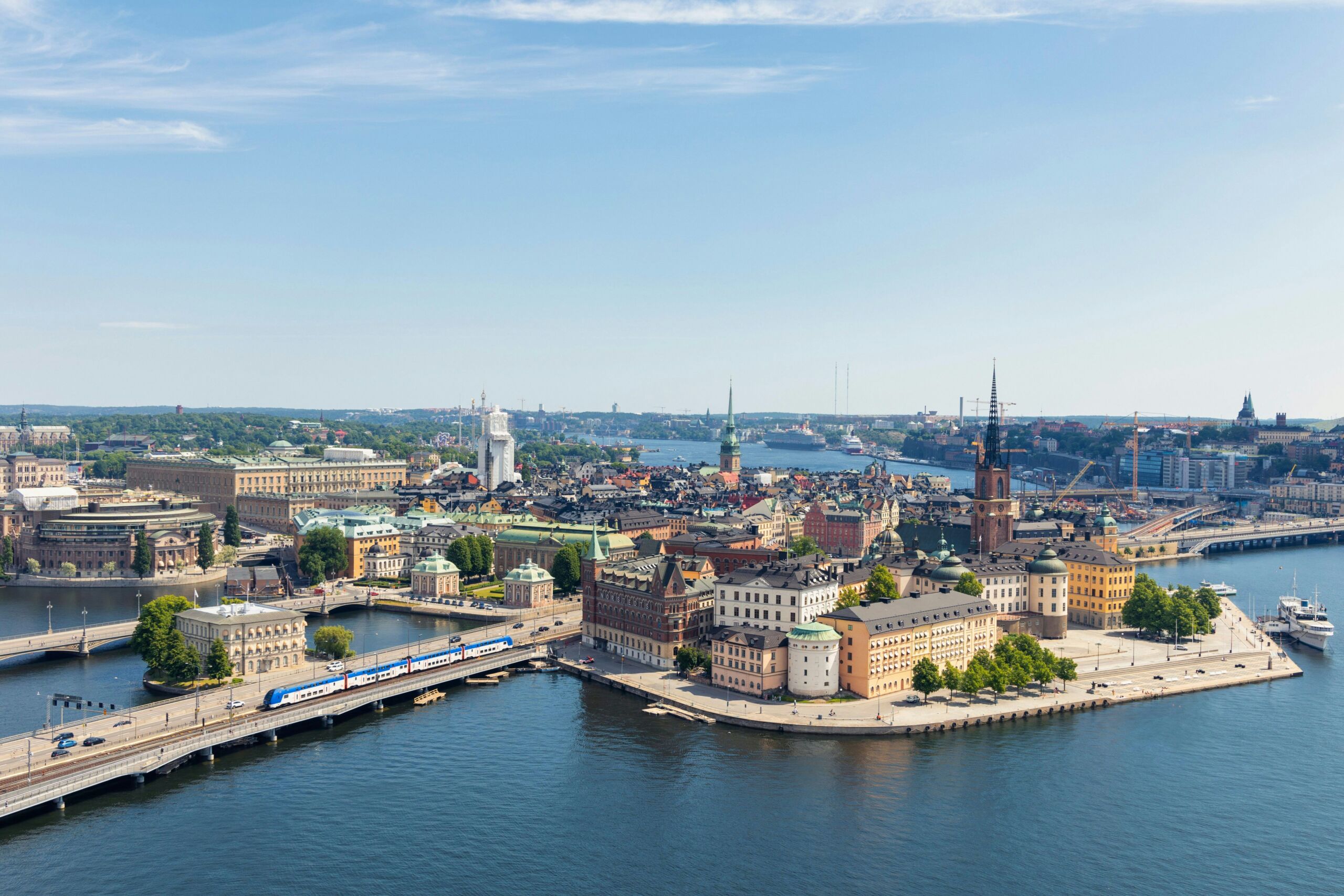
Transport, as part of urban logistics systems, remain one of the most stubborn sources of emissions in Finnish cities. Tackling them is central to achieving climate neutrality by 2030. Because transport is split across city, national and regional governments, and involves businesses, delivery companies, and residents, progress depends on coordinated, multi-level responses to shape the policy environment and market predictability.
To achieve that, NetZeroCities, alongside partners Demos Helsinki and Dark Matter Labs, launched a “Policy Sprint” running October 2025 to August 2026. As part of the sprint, six Finnish Mission Cities – Espoo, Helsinki, Lahti, Lappeenranta, Tampere and Turku – united to reveal gaps and opportunities within urban logistics policies and forge a multi-city, multi-actor approach set to influence local, national and regional regulation. Lahti and Helsinki acted as ‘lead cities’, as part of NetZeroCities Enabling City Transformation Programme.
Cities were key decision-makers, contributing local expertise and defining joint priorities, while outside experts handled research and facilitation. Each city led a different focus area, coordinating working groups that mapped existing projects, identified who holds the power to act, and testing draft policies. Experts organised workshops for cities to share knowledge and compare notes; researched what other cities and countries have already tried; identified the biggest gaps and opportunities; stress tested draft policy ideas; and advised on how decision-making should be organized across government levels.
As a result, a multilevel policy process was built from scratch. By testing policies against real-world pressures, the cities developed three refined policy mixes – a combination of policies used together to make logistics more efficient and sustainable. Each was then evaluated on three factors: desirability, feasibility, and institutional and political sustainability. As a landmark achievement, this allowed cities to align across three domains – low emissions zones, night-time deliveries, and urban delivery consolidation – as well as across governance levels.
Lahti, Finland

How is Lahti laying the groundwork for zero-emission urban logistics?
Road transport remains Lahti’s toughest emissions challenge, with heavy vehicles responsible for 42% of road transport emissions. The city recognised that cleaner trucks alone would not solve it. Logistics companies also need charging infrastructure, viable business models and enough certainty to invest.
Through the NetZeroCities Enabling City Transformation Programme, Lahti launched ZERO-TRAIL, a project to accelerate the shift towards zero-emission freight and urban logistics. The city worked with logistics companies, businesses, researchers and residents to develop its Sustainable Urban Logistics Plan, setting out eight priority measures to cut freight emissions while supporting competitiveness and growth.
The work goes beyond planning. Lahti is mapping logistics flows and emissions, identifying charging needs for electric freight, developing business models for charging infrastructure and assessing policy measures that can accelerate the transition fairly. The long-term framework also creates the conditions for future zero-emission logistics zones.
By combining infrastructure, investment and policy in one approach, Lahti is giving logistics operators a clearer pathway for investing in zero-emission transport.
Questions? Get in touch and get paired with an expert!
Are you a Mission City? Here are several ways to get involved!
The second edition of the Enabling City Transformation Call launched on 31 August. Through a challenge‑based approach, this 22-month 8M EUR programme tackles systemic barriers slowing progress towards climate neutrality and supports Mission cities in unlocking city-wide transformation.
- Upcoming NetZeroCities’ Online Planning Lab (starting September 2026)
The second edition of the Online Planning Lab will begin in September of this year and is open to all cities (but targeted to Mission-minded cities). The Online Planning Lab provides city practitioners with a structured online learning journey focused on planning and implementing climate neutrality actions. Through facilitated sessions, practical exercises, peer exchange, and expert input, the aim is for participants to strengthen their capacity to develop and advance local transition strategies.
- 🗓️ 24 September 2026 | 10:00 – 11:30 CET – Online
Community of Practice Webinar: Unlocking the Full Value of Climate Action – Measuring and Communicating Co-Benefits
Organised by the NetZeroCities Community of Practice & Monitoring, Evaluation and Learning Team.
Climate action delivers benefits far beyond GHG reduction: from improved public health to biodiversity and local economic resilience. Yet, quantifying these co-benefits remains a challenge. Join us to learn how cities can identify, quantify, and communicate these broader impacts. Featuring practical methodologies like Sweco’s Impact Framework, real city experience from the City of Leuven, and insights from the ReValue project and the NZC MEL team.
🔗 Register for the Zoom Webinar Here
- 🗓️ 14 October 2026 | 09:00 – 10:30 CET – The Square, Brussels
NetZeroCities: Scaling and implementing climate neutrality across Europe by 2030 – The way forward
-
- This year’s EU Regions week motto is Strong regions, strong Europe. A joint session between NetZeroCities and DG RTD, features 4 cities – Pecz, Lyon, Zaragoza and Malmö – that are part of the 112 Mission Cities.
- Cities will share vital learnings (setbacks, successes, challenges and innovative solutions), which is followed by a facilitated group discussion.
If you haven’t become a Mission City already, you can join us as a ‘Mission-minded City’, with plenty of tools and resources at your disposal.
Discover the tools and resources at your disposal, book a meeting to explore the Mission Platform or send an email to infocities@netzerocities.eu
- How ready is your city for climate neutrality? Find out with the Self-Assessment tool developed by the European Commission’s Joint Research Centre (JRC) and NetZeroCities! This tool helps to assess the current level of readiness to transition to climate neutrality and identify concrete areas where further action can accelerate progress toward your climate goals.
- Join our next Tool Training Series: 📅 Wednesday, 23 September 2026 ⏰ 14:00 – 15:15 CEST 💻 Online (Zoom) – 🔗Register now
- Orientation sessions help newcomers navigate the support, resources and opportunities available to their city. Join one of the upcoming sessions:
- Orientation Session #1: 📅 Tuesday, 29 September 2026 ⏰ 14:00 – 15:00 CEST 💻 Online (Zoom) – 🔗Register now – Discover the Mission Platform’s objectives, vision and mission, emphasizing opportunities and resources available through the NetZeroCities Portal.
- Orientation Session #2 :📅 Thursday, 08 October 2026 ⏰ 14:00 – 15:30 CEST 💻 Online (Zoom) – 🔗Register now – Get insights on key features of the Climate City Contract directly from Mission cities and get inspired.
- Looking for a free capacity building opportunity to support your city on the journey to climate neutrality? The second edition of Online Planning Lab, NetZerocities’ free online course for all cities is about to start. This interactive course will get your hands on essential knowledge and tools to drive systemic change. Structured as a project-based Lab, it incorporates digital learning modules, interactive live sessions, and peer-to-peer activities for cities – Sign up for the Lab