Collaboration promises to pool resources and spread expertise – but first everyone has to be put in the same room. The EU Cities Mission is doing just that and bringing cities, national governments and other important sectors together in a regular and shared forum. Ahead of recent municipal elections, it was the turn of the French ‘ecosystem’ to meet on key topics of finance and governance.
By Marion Gonzales
Offering collaborative spaces to tackle shared challenges is one of the key value propositions of the EU Cities Mission – and financing climate action is a hot topic made easier when deciphered together.
National 'ecosystems' are one new and structured way cities are coming together with the Mission's support to connect cities with national governments, key stakeholders, and each other, to coordinate climate action.
In France, this group of Mission cities (the National Mirror Group) met for critical discussions on finance and investment and hands-on sessions to share knowledge and identify common opportunities across different levels of government.
"French Mission cities value the collaborative work enabled by the EU Cities Mission to address key challenges such as attracting private investment, developing robust investment plans, and improving governance," says Julien Joubert, a project manager at Energy Cities who facilitated the meeting.
"By working together, they learn faster – from both successes and failures – and encourage more cities to join. Aligning EU, national, and local actions is essential to accelerate progress, and the EU Cities Mission provides a unique opportunity to do so. Acting collectively with other partners also helps cities strengthen their voice."
Towards a new financial culture for climate-neutral cities
A session on green bonds – a possible low-cost and long-term source of financial support for sustainability projects – offered critical insight from city representatives and finance experts. Delphine Queniart, director of the Climate City Capital Hub, highlighted the hub’s role in helping cities navigate the complexity of financing transformative projects on the ground.
“The Cities Mission doesn’t just fund projects – through the Capital Hub, it transforms the financial culture of cities, building the structured, credible, and strategic capital needed to support European climate transition. Typically, municipal green bonds are not considered as financial instruments alone, but as catalysts that strengthen cities’ maturity, build lasting market credibility, and enable urban transition to scale across Europe by 2030.”

City Finance Specialist for NetZeroCities, Khadija Mernissi, said:
“Success ultimately depends on a genuine internal coordination between finance, operation and climate teams to ensure projects are not only launched but monitored and supported over time – and requires clear political alignment, for a shared and sustained commitment from elected officials to back climate-aligned investments”.
Participants also explored additional financing tools – including French public-private structures that combine public-interest objectives with private investment. These include multi-stakeholder cooperatives (SCIC) and mixed public–private companies (SEM), which provide flexible governance and long-term investment capacity for local transition projects.
Concrete examples illustrated their potential. Dijon Métropole has partnered with investment firm Meridiam through an SEM dedicated to energy, enabling the comprehensive development, financing and operation of renewable energy infrastructures.
Meanwhile, in Courcy, an SCIC, is leading the Microville 112 project, bringing together diverse stakeholders, including citizens, to redevelop a former military landfill site and turn it into a new hub for sustainable innovation.
Together, these examples point toward an emerging financial culture where cities move beyond isolated funding instruments and instead build long-term, credible, and collaborative investment ecosystems capable of delivering climate neutrality at scale.
Enhancing synergies and aligning policy for effective climate action
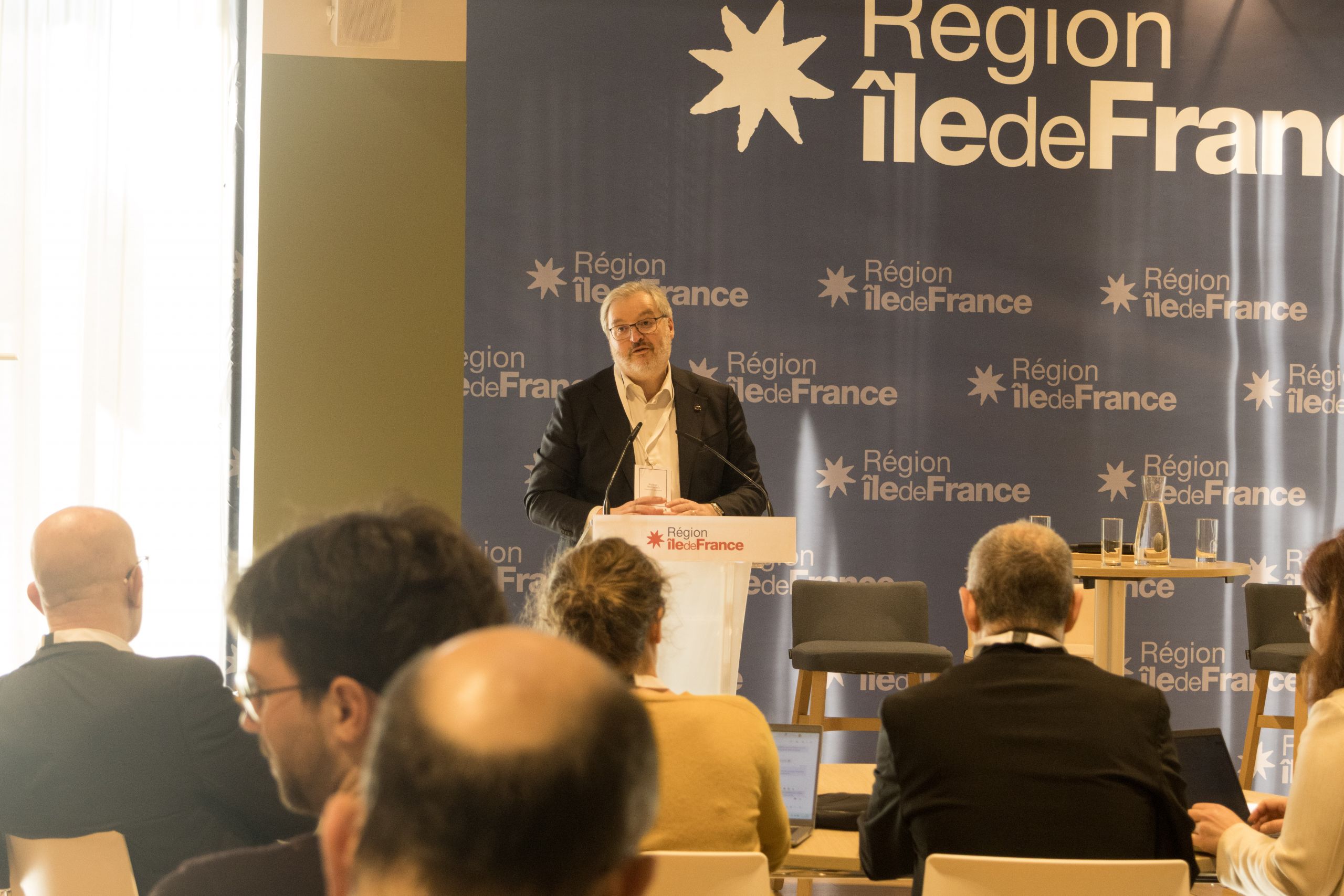
Hosted by Region Ile-de France, a workshop on policy alignment gathered representatives from French ministries and agencies. Here, Mission partners emphasised the importance of strategic engagement between national authorities and Mission cities, given the cities’ role as frontrunners in the climate transition.
Funding opportunities through the European Recovery and Resilience Facility, and other regional programmes at the discretion of national authorities, were also highlighted, where national governments and agencies can align with the objectives of their Mission cities.
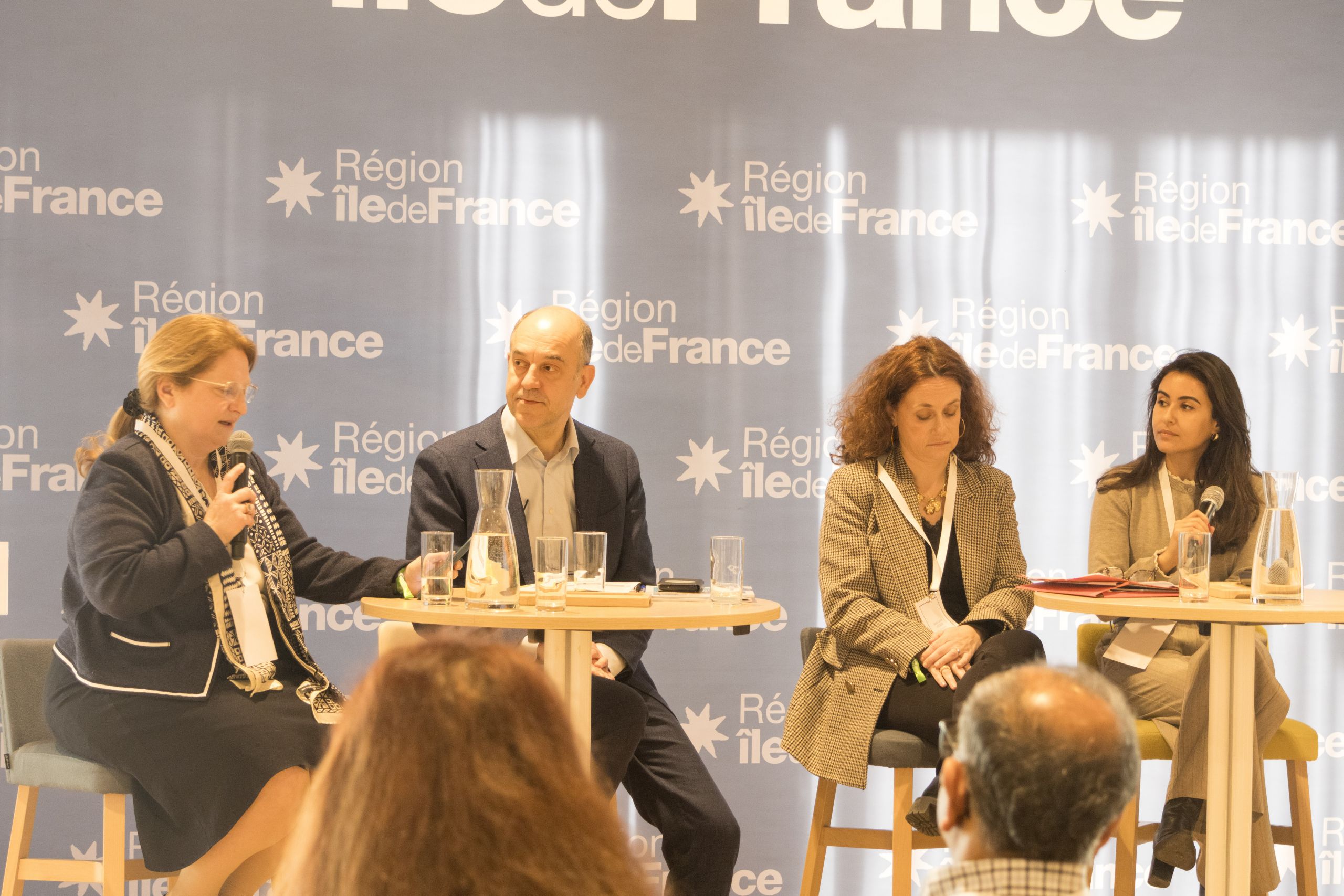
The participation of Philippe Froissard, a senior European Commission official and deputy Cities Mission manager, and Françoise Guaspare Gal, representing the EU Cities Mission Board, sent a strong and timely message: multi-level governance and policy alignment are not abstract concepts, but essential conditions for unlocking synergies and accelerating effective climate action on the ground.
Other French Mission-minded cities keen to capitalise on the Mission’s learnings, such as Métropole Nice Côte d’Azur, Clermont Auvergne Métropole, City of Saint-Denis, among others, were also in attendance, as they strive to follow suit and build their capacity to meet the 2050 decarbonisation objectives.
Moving multi-level governance forward
Reflecting on the lessons learned from the EU Cities Mission, Dijon Métropole emphasised how the Mission’s systemic approach has been a game-changer for effective climate action. For the first time, this framework has helped break down silos within city administrations – particularly by strengthening collaboration between climate and finance departments, ensuring that ambitious climate goals are supported by coherent investment strategies.
Other clear lessons have emerged: successful local climate programs require a mix of coordinated governance, political commitment, and alignment with European frameworks. Bringing ministries, national agencies, and local authorities to the same table is essential to address all levers of the ecological transition, from energy and infrastructure to mobility, urban planning, and biodiversity. Proven models, such as Sweden’s Viable Cities programme, show that multi-agency coordination can effectively support research, innovation, and tangible local implementation.
Equally important is connecting national initiatives with European strategies. In both Spain and Portugal, efforts are already under way to match local climate and energy plans with EU requirements, reducing administrative burdens and strengthening cooperation across governance levels. By combining systemic governance, political ownership, and European alignment, municipalities can accelerate the ecological transition while enhancing the visibility, credibility, and impact of their climate commitments.
Even as French Mission cities awaited the outcome of the municipal elections, their commitment clearly extends beyond political cycle, reflecting a shared determination to sustain momentum toward climate neutrality. They will reconvene in Dijon from 23–25 June to advance their collective work, alongside the European Energy Transition Forum.
French Mission cities met in Saint-Ouen with the support the EU Cities Mission, NetZeroCities, CapaCITIES 2.0 and the French Mirror Group, the national ecosystem supporting the implementation of the Cities Mission in France.