More than 100 cities and hundreds of attendees from across academia, politics, finance and civil society came together in Torino to tackle the biggest sustainability issues facing cities – making the north Italian city the focal point of European climate action for three days in May.
By Alan MacKenzie
A picture is worth a thousand words, as the saying goes, so take a look here and enjoy a great selection of all key moments from the 2026 EU Cities Mission conference in Torino!
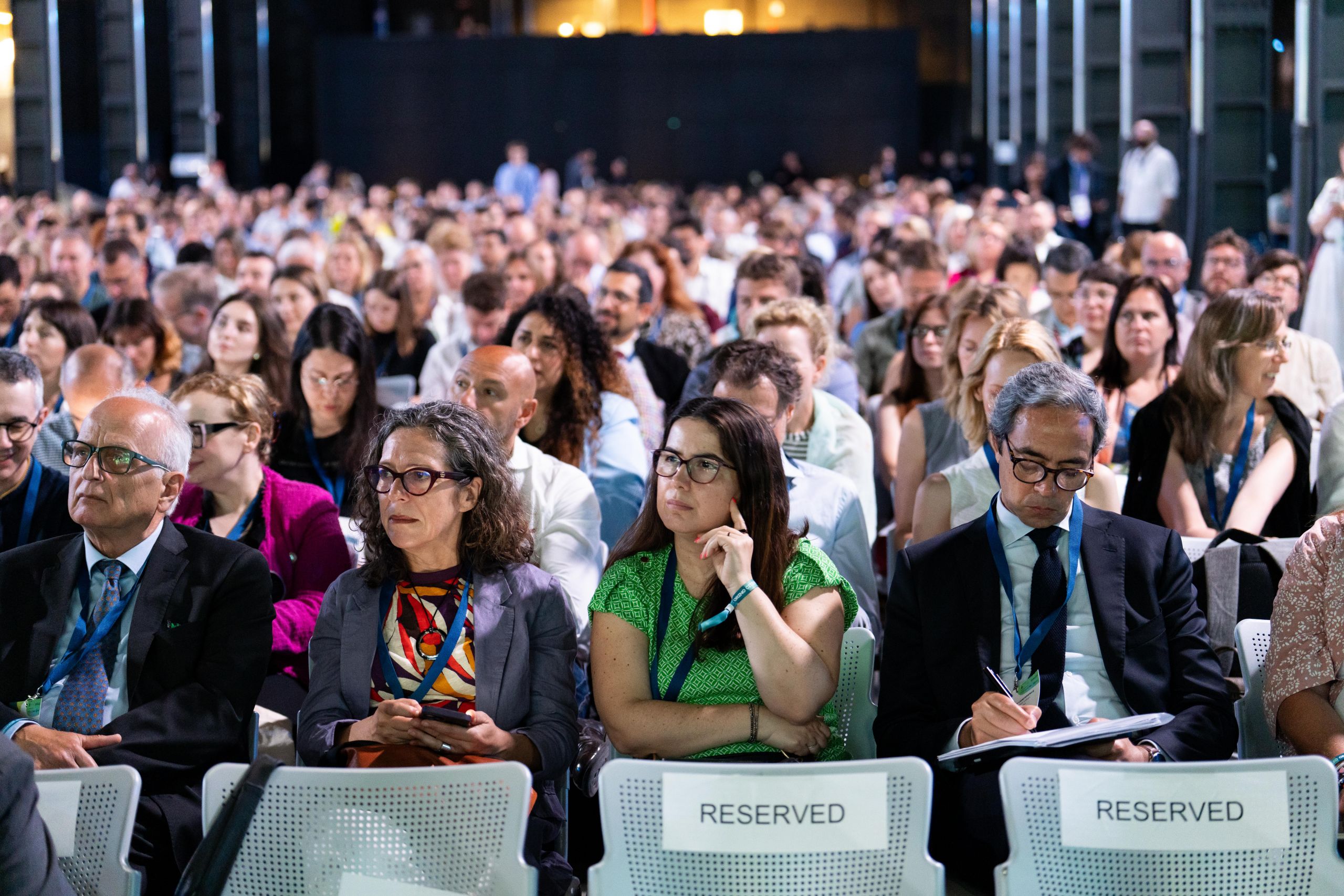
Altogether, they tell a story of engagement and collaboration on a large scale – and the numbers support it. Over 650 guests joined the conference, including representatives from over 100 cities, to participate in: over 33 hours of expert- and city-led workshops; plenaries with high-level representation from national and European institutions; and 14 'city dives' that took attendees to Torino's most innovative climate activities on energy, urban regeneration, nature restoration, and more.
Showcasing successes is a part of any conference, encouraging motivation and inspiration. But the aims in Torino were higher still. Read on for some of the event highlights showing how cities across Europe and beyond are working together to turn plans to action, and their climate ambitions into reality.
© Gytis Vidziunas - Scuare / NetZeroCities
Diving in to Torino – DAY ONE
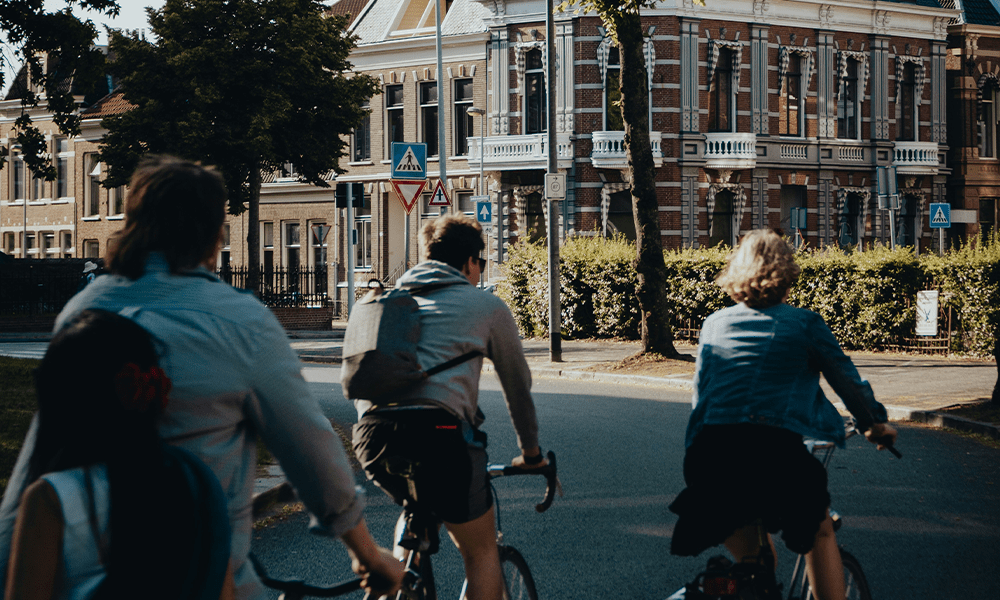
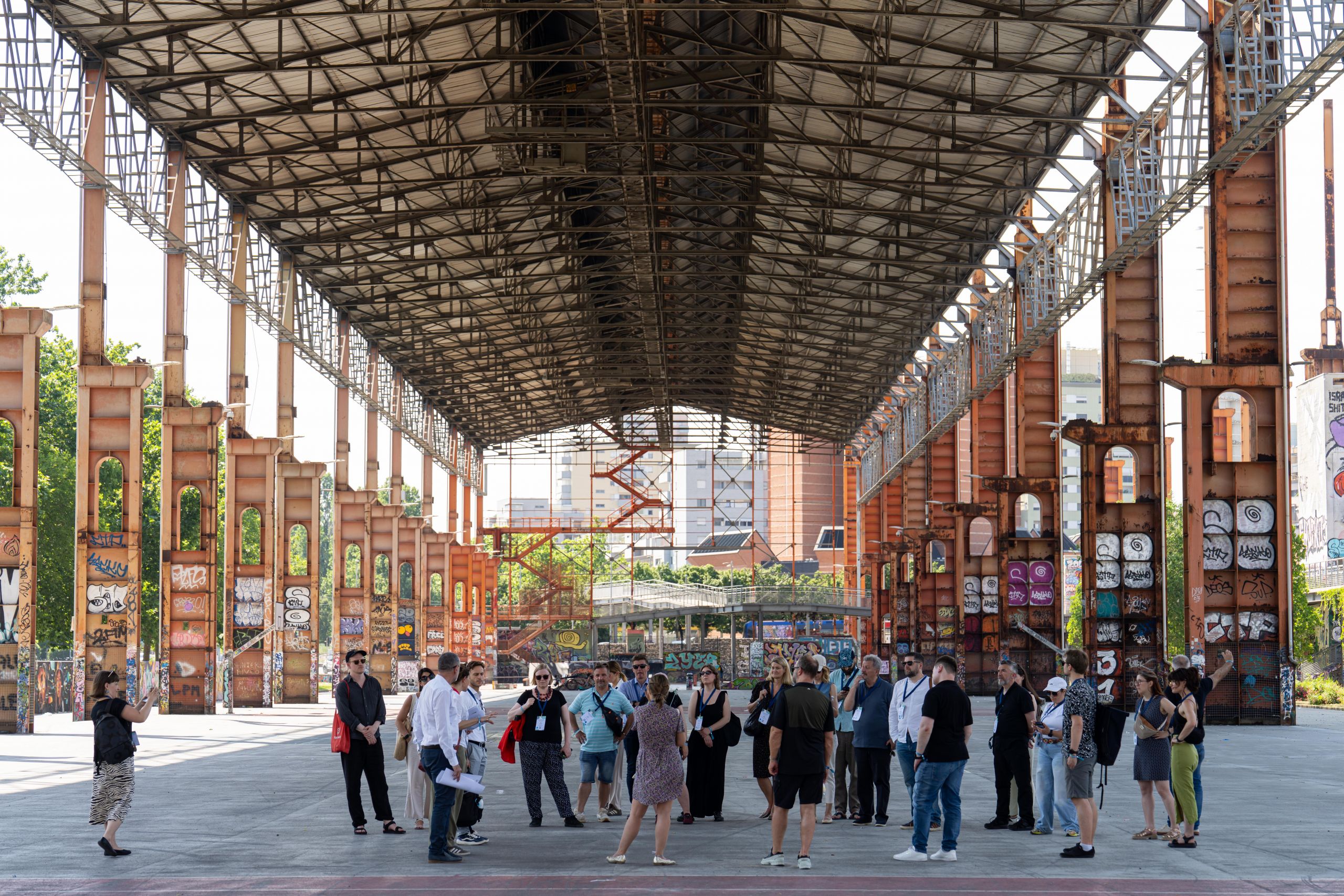
A welcome break from convention brought attendees out of the conference hall on the very first day and out into the city, giving them a first-hand experience of Torino's climate projects in action.
© Gytis Vidziunas - Scuare / NetZeroCities
Fourteen expert-led city dives across more than 20 sites in the city included the regenerated Olympic Village site, now transformed into social and student housing; the Arbarello HV-MV Primary Substation, which powers over 60,000 households; and Parco Dora, a park of more than 450,000 square meters where production plants for Fiat and Michelin once stood.
High-quality photos here tell the story of Torino's successes and ongoing work in the field, which filled participants with inspiration and ideas to carry into the conference proper.
All aboard at OGR Torino – DAY TWO
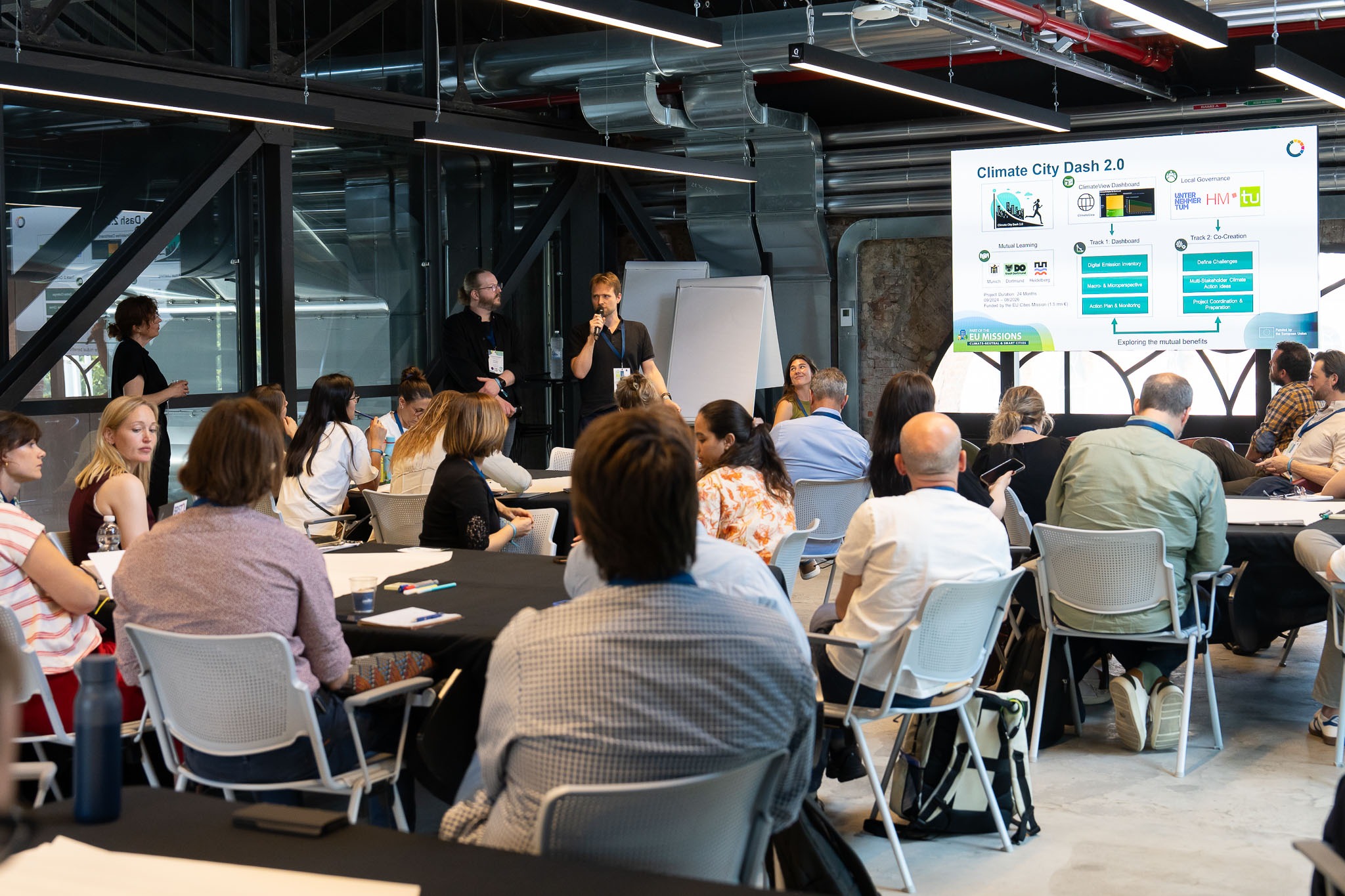
Once a site for building and repairing trains, the 35,000 square metre complex at OGR Torino is now a cultural and innovation centre of the city – and offered conference attendees the perfect setting for their efforts to build on and transform the heritage of their own cities for a different future. And, as though any participants needed reminding of their objectives, the former industrial buildings gave them respite from a European heatwave that underlined the challenges faced by cities everywhere.
Like the site visits, parallel sessions (of which there were 28 on the first day in the conference hall) were divided into four themes, like innovative finance and strategic engagement, allowing attendees to give their time to the most critical for them.
But before joining sessions, a welcome from Mayor of Torino Stefano Lo Russo captured the importance of the work ahead.
"Today we are speaking about climate neutrality but, in reality, we are speaking about something even bigger. We are speaking about the kind of Europe we want to build," Lo Russo told the hall.
"Future generations are already watching us. Young people today are asking institutions a very simple question: are you capable of thinking beyond the next election? Beyond the next crisis? Beyond the next headline? These Mission Cities' programmes give us the opportunity to answer the question with concrete action.
© Gytis Vidziunas - Scuare / NetZeroCities
"This is why today is important. Not only because we discuss projects and targets, but because we are building trust between cities, trust between generations, trust in Europe's capacity to shape the future."
You can watch Mayor Lo Russo's full speech here, as well as the rest of the recordings from the day here.
'Cities are ready' – DAY THREE
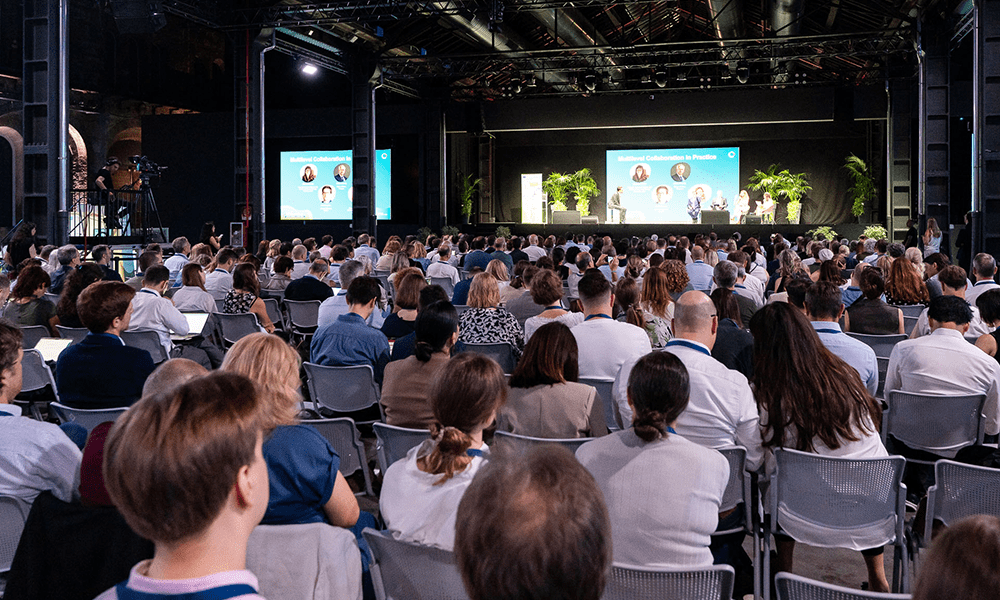
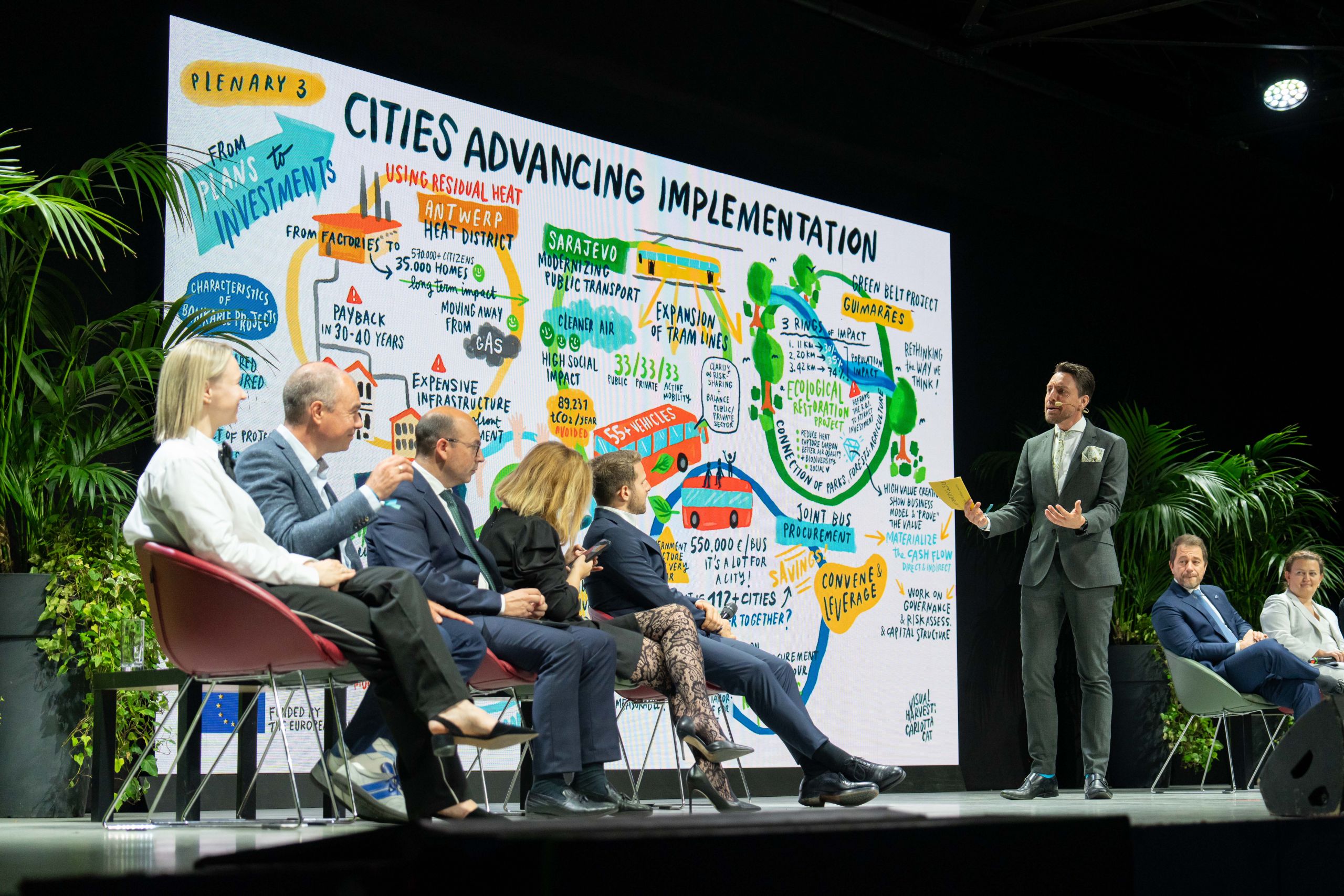
As a key conference topic, innovative finance for city projects was discussed across several sessions, but on the opening plenary of the final day, even the format of the discussion was innovative.
On stage in the main hall, five finance experts from different institutional backgrounds heard project pitches from cities, and then offered feedback on their bankability and what might be improved.
The discussion will be helpful for any city taking their first steps into financing their climate projects from beyond city budgets, as all of them will have to do.
© Gytis Vidziunas - Scuare / NetZeroCities
Insights from Delphine Queniart, head of the Climate City Capital Hub – a NetZeroCities initiative that helps cities make their climate projects bankable and find investors – addressed common misconceptions from cities on how and where they look for finance.
"Cities tend to think that capital follows the good ideas, the big transformational project in a city," said Queniart.
"In fact, investors would be looking for clear governance, clarity of execution, low execution risk, speed of deployment and, of course, returns."
Do cities feel apprehensive as they try to find a common language with financial experts? There is "financial connection to be done," said Queniart, "but it starts very simply – scoping, clarifying, who does what, the governance, the execution."
Opening the final plenary, the audience saw a recording from Rafael Fitto, European Commission Executive Vice-President for Cohesion and Reforms, who thanked city leaders for their commitment and cooperation at the conference, and acknowledged the importance of cities' work for a better quality of life for their citizens.
"Through your Climate City Contracts, you are not just sending strategies and targets, but you are mobilising investments, strengthening partnerships and accelerating projects in energy, mobility, housing, resilience, and social inclusion," Fitto said.
The executive vice-president highlighted cities' central place in the EU's competitiveness agenda, "driving innovation, creating the demand for clean technologies, attracting talent and investment, and strengthening Europe's economic resilience."
After remarks from Deputy Mission Manager Philippe Froissard – who noted that cities at the conference were not talking about strategy and plans, but about projects being implemented – the deputy mayor of Malmö, Stefana Hoti, was invited to the stage for the announcement that her city will host the 2027 Cities Mission conference.
The deputy mayor of Torino, Chiara Foglietta, passing on the role as host city, congratulated Hoti on stage: "We are so tired … But we are here to help you."
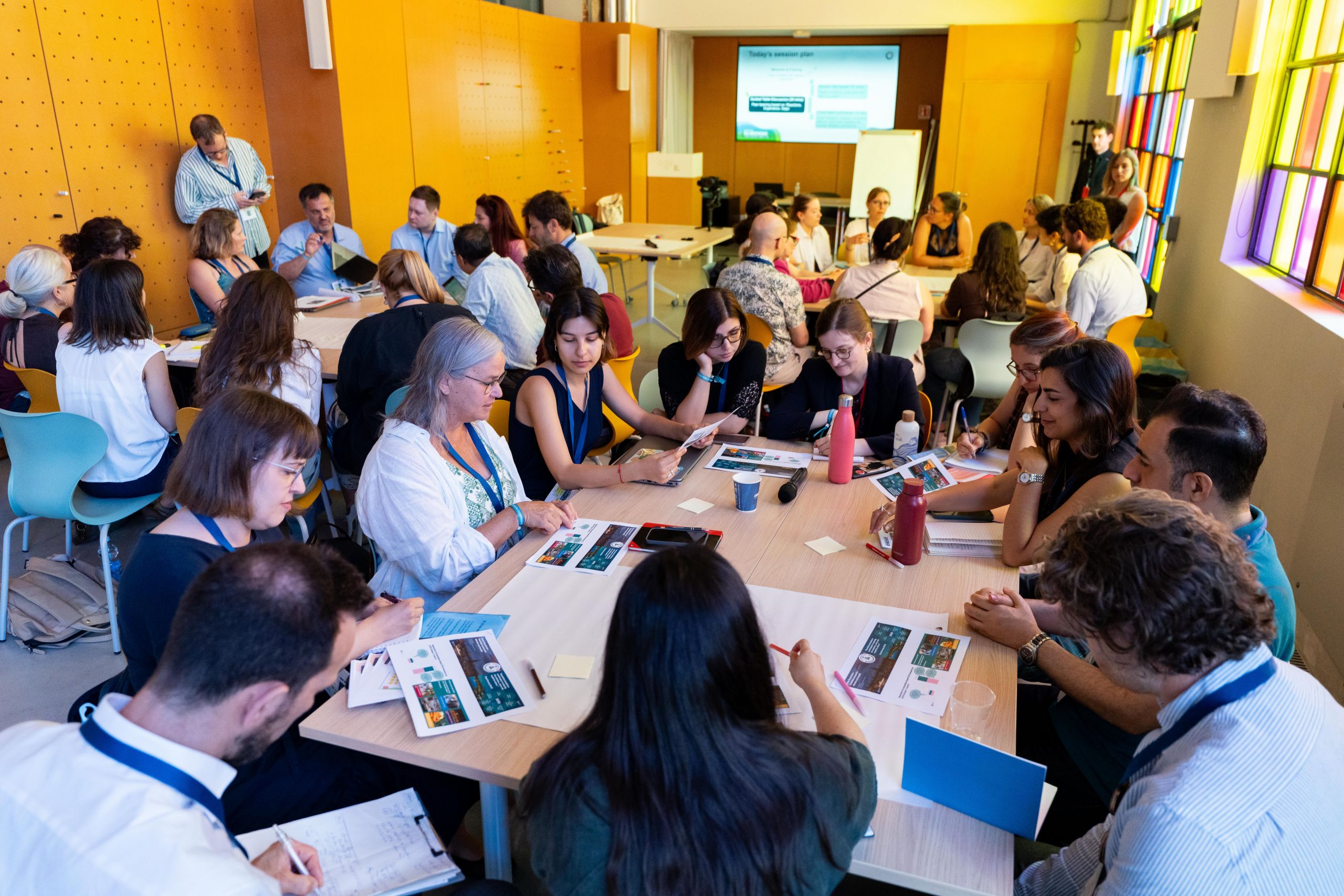
Joined by the deputy mayor from Bologna, Anna Lisa Boni, the mayor of Cork, Fergal Dennehy, and Giles Baddot from the European Investment Bank, the panel gave some insights of their conference experience.
"What I felt is pride," Anna Lisa Boni told the hall.
"This community is really growing. If you think from when we conceived the idea of the mission to today […] we can be proud of what we've achieved.
"There's nowhere else in the world where this kind of community exists. Tell me, where? I don't think there is something similar like this, where there is so much power."
© Gytis Vidziunas - Scuare / NetZeroCities
Malmö’s deputy mayor said that cities were ready for policy changes to catch up with them and “policy, policy, policy” would be a focus at next year’s conference, “to make it even more concrete what policy changes need to happen [and] hopefully draft a couple of proposals, why not? Hopefully in one year’s time we’ll also be ready to commit to some of them because cities are ready.”
Cities are ready – anyone who attended the conference would find it hard to argue against that.
For more on the conference, read our news release here.