
Author: Barbara Jarkiewicz
Europe's climate transition is unfolding in places most people know intimately: the apartment blocks where families start their mornings, the schools and offices that shape daily routines, the streets where old buildings tell the story of generations. These spaces also represent one of Europe's biggest climate challenges.
Buildings account for around 40% of the EU's energy consumption and more than a third of energy-related greenhouse gas emissions, making the built environment one of the most important frontiers in the race towards climate neutrality.
For cities working towards the EU Mission for Climate-Neutral and Smart Cities, the question is increasingly practical. How do you renovate thousands of homes quickly enough? How do you make clean heating accessible? How do you bring residents, construction companies, investors and public authorities into the same transition?
Across Europe, cities are beginning to answer those questions by moving beyond individual buildings and looking at the entire system around them. Through NetZeroCities, municipalities are testing new ways to renovate neighbourhoods, rethink construction, redesign energy systems and create models that others can adapt.
The result is a different vision of the built environment, one where every renovation, heating upgrade and construction decision becomes part of a wider transformation.
Turning renovation from a private challenge into a collective effort
For many European cities, the first barrier to reducing building emissions is simple: people often do not know where to begin.
Energy renovations can involve complex decisions, from financing and permits to choosing technologies and finding trusted contractors. Even when support exists, fragmented information can prevent residents from taking the first step.
In Galway, the city has been working to close that gap through its Net Zero Pilot project by creating a community-based approach to home renovation. The city developed the Warm Home Hub, designed as a trusted local entry point where residents can access information, guidance and support for improving the energy performance of their homes.
The ambition is not only to renovate individual houses, but to build confidence. By working closely with communities, Galway is addressing one of the most overlooked parts of the building transition: trust. By offering impartial advice and practical support through a single, trusted local hub, the city is helping residents navigate the complexity of renovation and feel confident enough to act.
A similar challenge is being tackled in Cluj-Napoca, Romania, though the Blueprint for Net-Zero Apartment-block Neighbourhoods Pilot Cities Programme project, where apartment blocks are at the centre of the city’s climate neutrality efforts. Instead of approaching buildings one by one, the city has been developing a blueprint for net-zero apartment-block neighbourhoods, exploring how technical upgrades, resident engagement and new collaboration models can work together.
The approach recognises that buildings are social systems as much as physical structures. A successful renovation depends not only on insulation or heating technology, but also on the people who need to agree, participate and maintain change over time.

From single projects to renovation at scale
While individual renovations matter, Europe's climate goals require a much bigger shift: moving from hundreds of successful examples to thousands of buildings transformed.
In Dijon, France, the focus has been on overcoming one of the biggest barriers cities face which is fragmentation. Many renovation projects remain too small or disconnected to attract the financing needed for large-scale change.
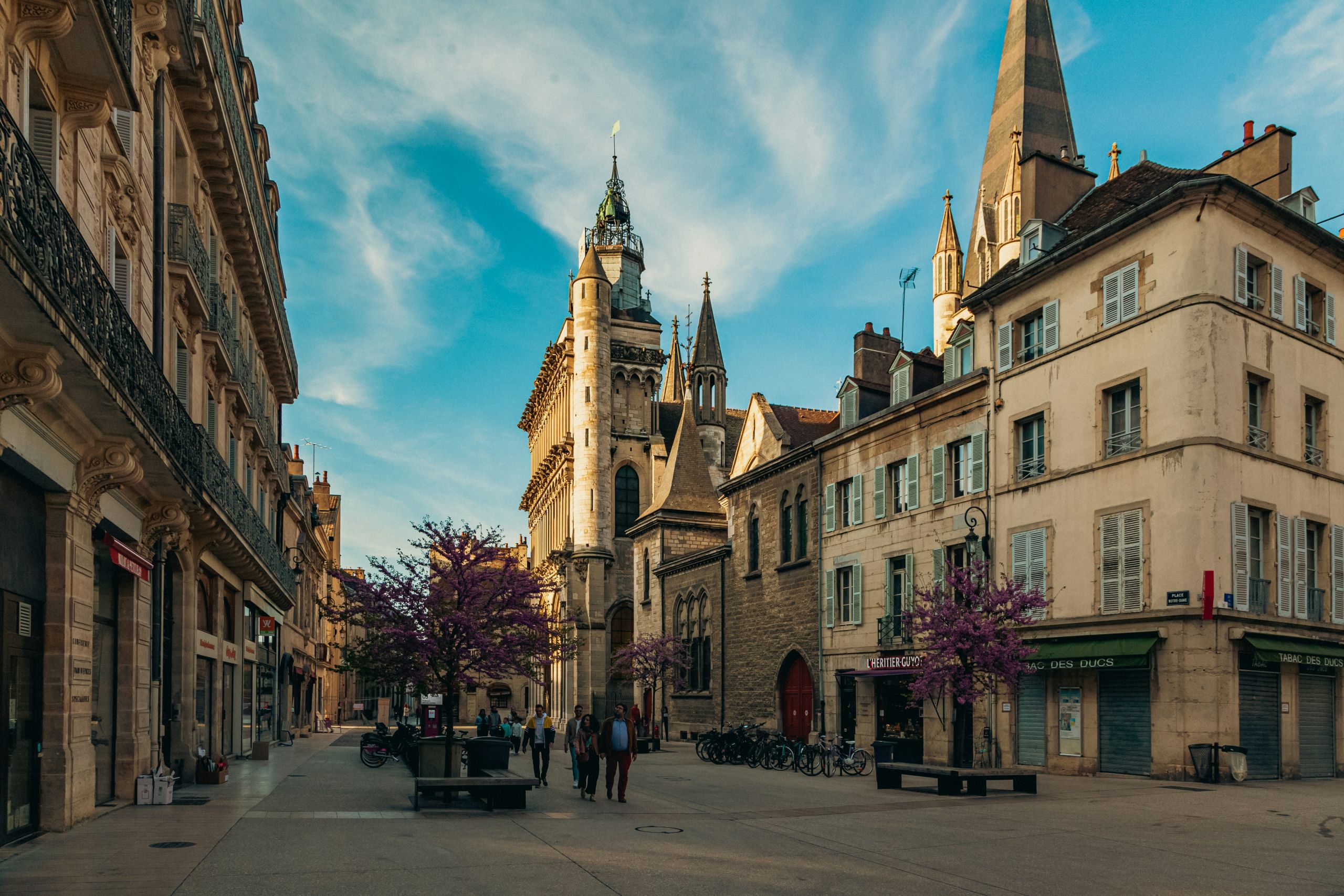
Through their Pilot cities activity FAASST, they explored ways to cluster projects, strengthen cooperation and create more attractive investment opportunities. By bringing individual actions together, the city worked on turning scattered renovation needs into structured pathways that can support wider transformation projects, strengthen cooperation and create more attractive investment opportunities.
This shift from isolated projects to scalable models is becoming a central theme across Europe. Cities are increasingly acting as coordinators of entire ecosystems, connecting homeowners, companies, financial institutions and public organisations.
In Leuven, Belgium, support through their City Expert Support Facility project has focused on strengthening this strategic approach, helping the city explore how renovation can move faster by improving coordination and creating conditions for wider adoption.
Building the future with the materials of the past
Reducing emissions from buildings also means changing the way cities build.
In Uppsala, Sweden, a former industrial area became a testing ground for a different approach to urban development as part of the SCALE-UP Pilot project. Instead of treating demolition as the end of a building’s life, the city explored how existing materials could become resources for the next generation of construction.
Through circular construction methods, materials from old buildings can be identified, recovered and reused, reducing waste and lowering the carbon footprint linked to producing new materials.
The approach reflects a growing understanding among cities that climate-neutral construction begins long before a new building opens its doors. Decisions made during planning, procurement and design can determine emissions for decades.
The capital of Norway is also focusing on this challenge, bringing together actors from across the construction ecosystem to rethink how buildings are planned and delivered. By addressing emissions embedded in construction materials and processes through its PURE project, Oslo is tackling an area that is becoming increasingly important as buildings themselves become more energy efficient.
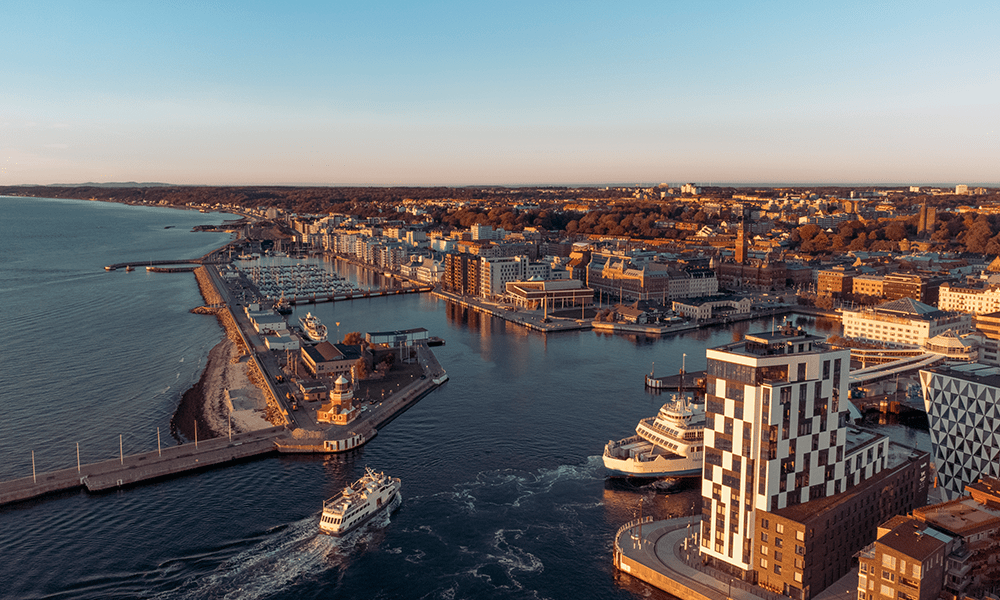
Meanwhile, also in the North, the Swedish city of Helsingborg is exploring how new districts can become living laboratories for climate neutrality, testing solutions that connect construction, energy and mobility with residents’ everyday lives.
Replacing old energy systems with cleaner alternatives
The buildings transition is closely connected to another major challenge facing European cities which is changing how homes are heated and powered. For cities historically dependent on fossil fuels, this transformation requires deep structural change.
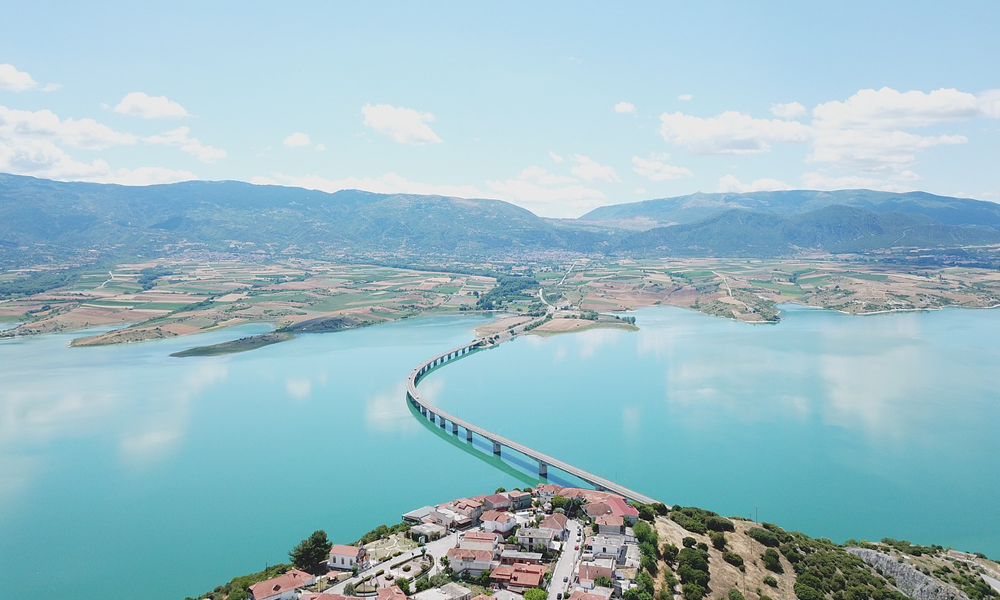
In Kozani, Greece, the move away from lignite coal has created both an urgent challenge and an opportunity to rethink the city's energy future. Through its NEUTRON project, the city has explored new approaches to clean heating and renewable energy solutions, supporting its transition from a coal-based past towards a climate-neutral future.
The challenge goes beyond replacing one energy source with another. Cities need to redesign systems that have shaped local economies, infrastructure and communities for decades.
Across Italy, cities involved in the City Expert Support Facility activities have also been exploring new governance models for the energy transition, recognising that technology alone cannot deliver climate neutrality. Public authorities, citizens, energy providers and businesses need new ways of working together.
Making buildings safer, healthier and ready for the future
The transformation of Europe's buildings is also about resilience. In Istanbul, the need for earthquake preparedness has created an opportunity to combine safety and sustainability. Through the Green and Carbon Neutral Building Transition Guide, the city has explored how building upgrades can address multiple challenges at once, from reducing emissions to improving resilience.
This integrated approach is becoming increasingly important as cities face overlapping pressures: climate risks, housing affordability, energy security and ageing infrastructure.
The cities making progress are showing that climate-neutral buildings can also mean warmer homes, lower energy bills, healthier spaces and stronger communities.
Europe’s next climate breakthrough may already be built
The transition of the built environment is one of Europe’s most complex climate challenges because it touches almost every part of urban life: where people live, how they move, how they pay for energy and how communities grow and work together.
The examples emerging from cities show there is no single blueprint. Galway is building trust with residents. Uppsala is changing how materials are valued. Kozani is rewriting its energy story. Dijon is finding ways to finance transformation at scale.
Together, these efforts point towards a future where buildings are more than sources of emissions to reduce. These spaces are the hearth of Europe’s climate transition, where it becomes visible, practical and part of everyday life.
The homes, streets and neighbourhoods that already surround us may become some of the most powerful tools cities have to build a climate-neutral future.