Authors: Joanna Trimble
This year's CIVITAS Forum showcased that cities are innovative test beds that drive continuous progress. As focal points for policy change and joint procurement, cities shape the markets of the future. As the EU looks at economic competitiveness, clean and efficient mobility will be critical, and cities can play an even larger role.
Economic competitiveness is the top priority of the EU's next long-term budget from 2028. And this year's CIVITAS Forum in Thessaloniki drew into spotlight the paramount role cities play in cultivating economic innovation and decarbonisation in the EU's mobility market and beyond.
"Cities lay the technical, infrastructural and legislative groundwork for markets to evolve," says NetZeroCities Managing Director, Thomas Osdoba. "They're also clients to transport industries and how they work together determines how much progress we can collectively make. Cities can ultimately better shape markets through policies and well-designed procurement."
Cities implement nearly 70% of EU legislation. They're also responsible for about 68% of climate-significant public investment across OECD countries and the EU. But the conference looked beyond treating cities as places where EU and national policy plays out.
"Cities are not just territories where technologies are being tested. They are co-shapers and transformers," says Polis Networks' Secretary General, Karen Vancluysen.
Even so, some attendees pointed to mismatch between national sustainability goals and the climate innovations cities are pursuing ahead of them. This tension set the conference scene, with panel after panel revealing how cities bring shape and scale to the EU’s competitive edge.
Cities give new solutions a market foothold
Electric vehicles offer a ripe example of how cities create the conditions for a market to take off. In 2025, EVs hit a tipping point. In the EU, battery electric vehicles (BEVs) sales rose by around 30%, reaching roughly 19% market share. The shift reached commercial vehicles too. Of all new registrations in 2025, nearly 26% of buses were electric, as were 12% of vans and 4.8% of trucks. By December, for the first time across the bloc, BEVs outsold petrol cars and over one million publicly accessible charging points were available.
Charging infrastructure, low-emission zone policies, fleet electrification, depots and charging networks: public authorities, particularly the local and municipal levels, play a major role in EV expansion and market ascent. At the Forum, Alan O'Brien of the European Investment Bank pointed to cities' decisive role in private sector partnerships to make EV fleet transition commercially viable.
"Several cities have scaled up the rollout of EV charging with strong market involvement," says O'Brien. "They've moved from internal policy and planning-led delivery to something the market can engage with, giving businesses the opportunity to make money from it, turn it into a real commercial activity, and drive genuine innovation."
For example, Hamburg's spatial concession lets the city flag where charging infrastructure is needed and brought in private operators to install and operate it. Stockholm's market-led concession lets private operators pick the sites within the city's rules, reducing its planning burden and encouraging private investment. Utrecht's data-driven concession leans on charging-use data to guide where new infrastructure fits and works with private operators to deliver it. This approach helps cities adjust the network to actual demand rather than relying only on forecasts or requests.
In addition to concessions, other cities showcase agility by taking on the role of industry catalyst. Denmark's Sønderborg is the first EU city set to reach climate neutrality by 2029. As part of the NetZeroCities Pilot Cities Programme, the city worked with local companies to build the business case for electrifying heavy fleets like trucks and vans.
"We connect companies with other partners and expertise and help them improve their competitiveness," says Søren Revsbech Dam, Senior Project Lead, Industry and Energy Systems, ProjectZero.
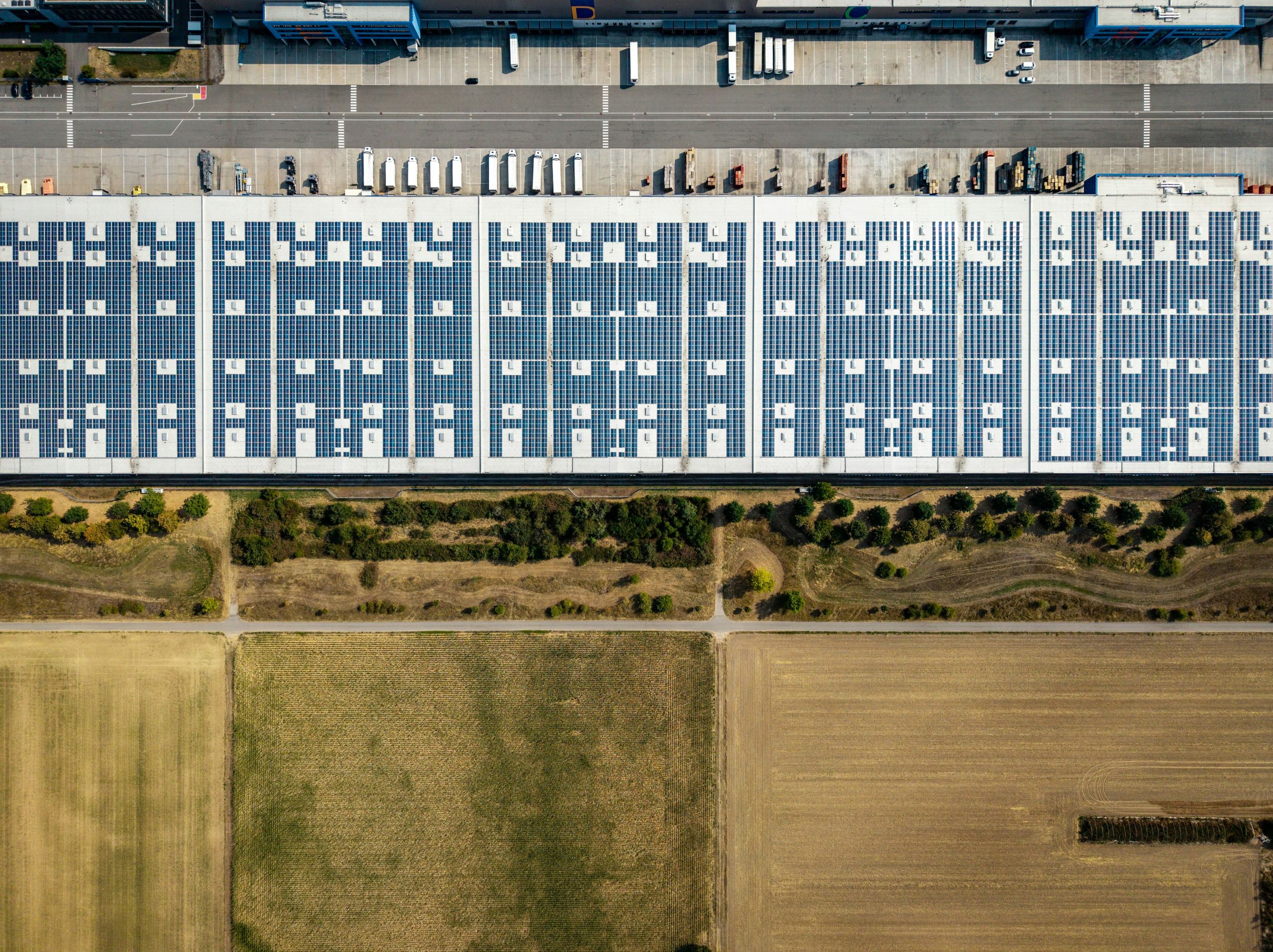
"We also help them look at the total cost of ownership. Lower energy costs, longer vehicle lifetimes, a more comfortable work environment for drivers, and operational savings," adds Philip Baxter, electrification specialist and consultant to ProjectZero. "Companies can better understand where investments can create both environmental and economic value," adds Dam.
In both cases, cities help build a commercial market, which pulls in private capital, speeds up rollout, and aligns climate innovations closely with real demand.
Cities are customers that move mobility markets
Cities not only lay the groundwork for markets to evolve – they're also part of demand.
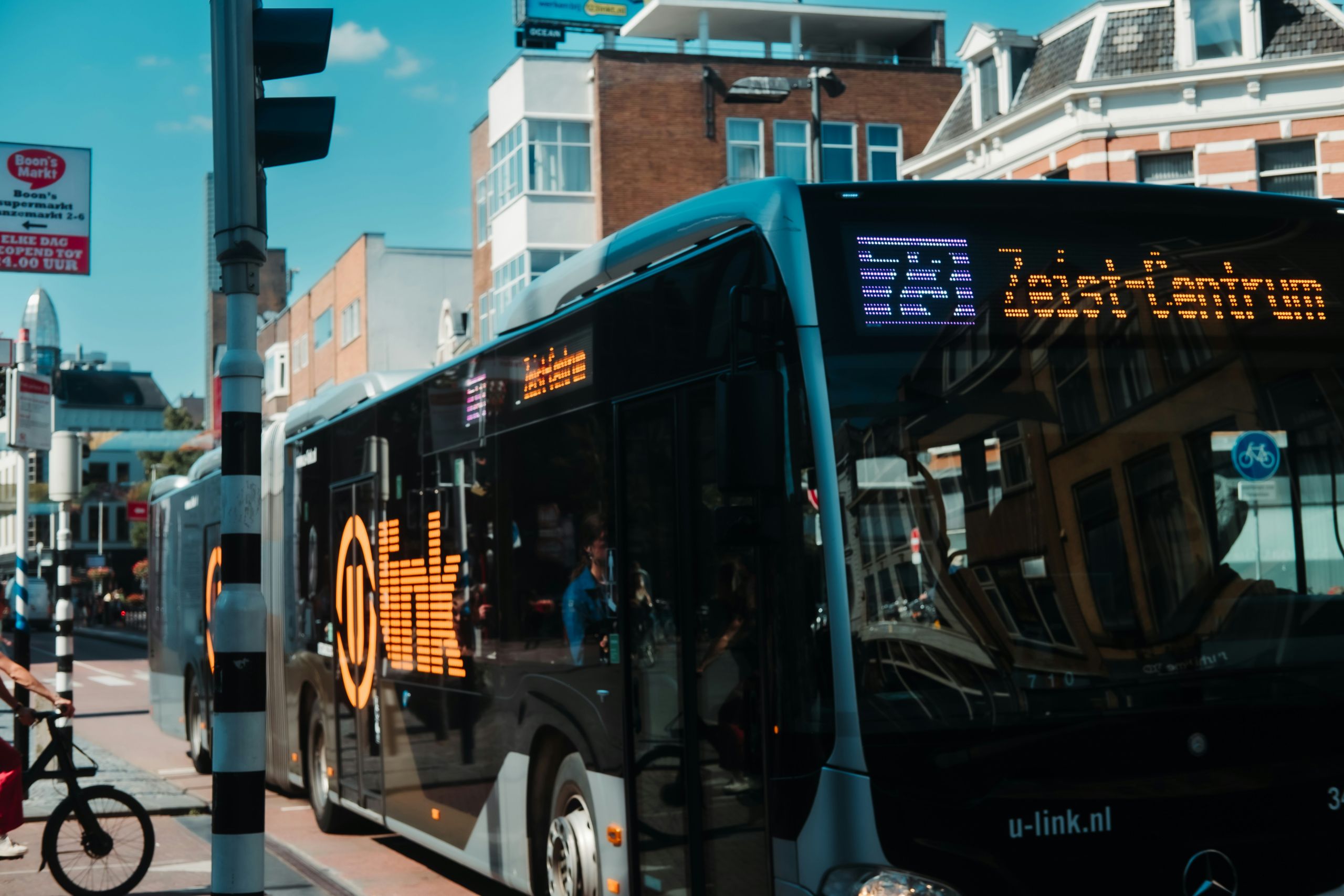
"Cities are major infrastructure managers and transport service providers. That also means they're major customers to Europe's automotive and transport industry," says Vancluysen.
Osdoba adds that, "Cities help shape what the transport industry builds, whether its electric buses, charging stations, or bike share schemes. And procurement is one of the most powerful and immediate levers cities can pull to speed up the transition."
Around 14% of the EU's GDP comes from public procurement, with nearly 45% managed by local and regional authorities – making them one of the largest buyers in the bloc. That scale gives procurement real power to standardise requirements and offer companies some market predictability.
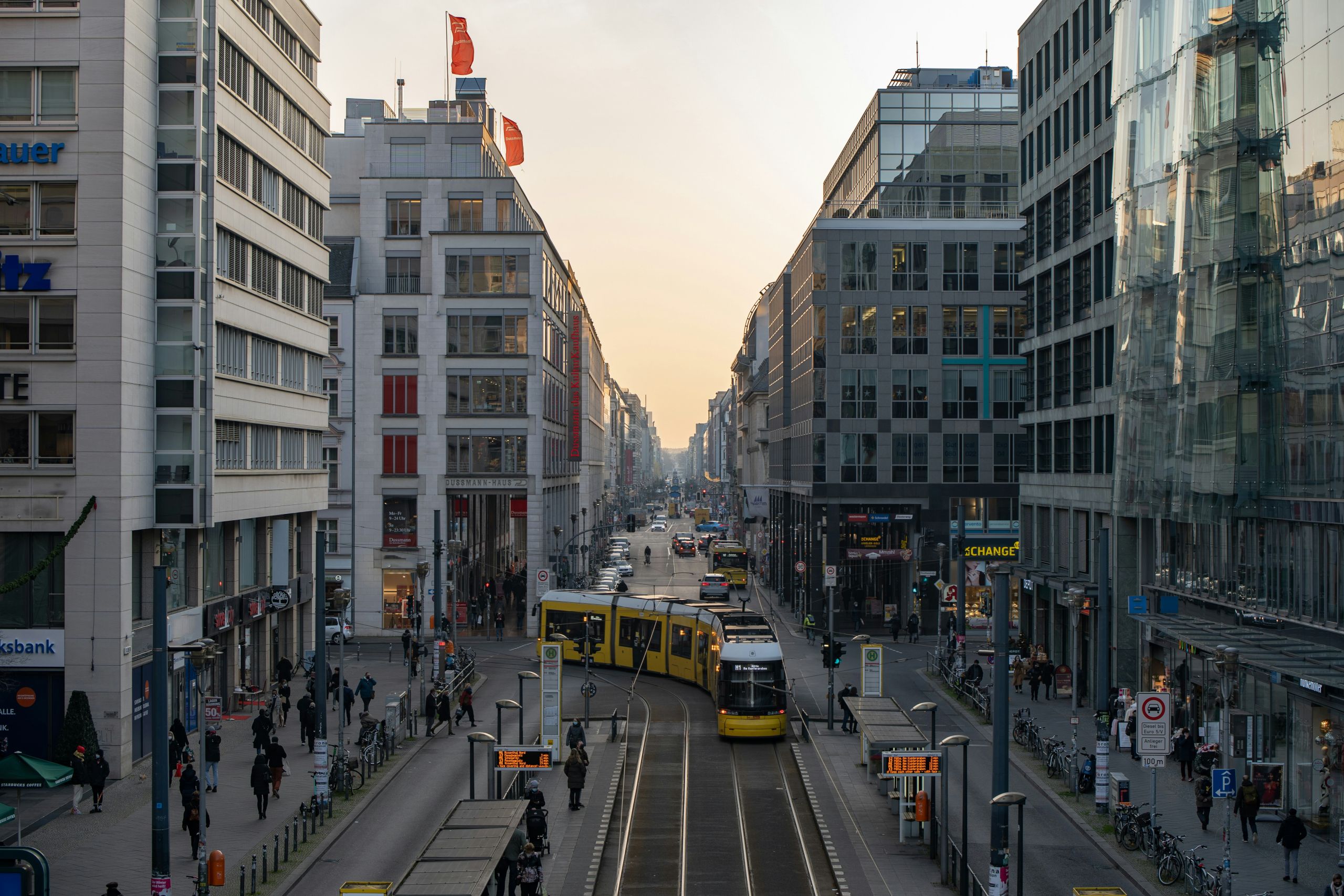
Oslo offers a compelling case study of how public procurement can shape a market. The city started with pilots in 2016 and fossil-free requirements from 2017, testing what suppliers could deliver before standardising climate requirements across municipal procurements in 2019. Rather than imposing the strictest standards immediately, Oslo raised them progressively as technology and infrastructure matured, giving suppliers the confidence and time to invest. By 2025, zero-emission solutions had become minimum requirements in transport procurement – moving clean transport from niche to market expectation.
Cities are now pooling that demand across borders through Big Buyers Working Together, which combines municipal purchasing power to send stronger signals to manufacturers across zero-emission transport, construction, energy, and more. These lessons carry weight as the EU revises its 2014 Public Procurement Directives around that logic: to use public spending to support European innovation and green technologies – a core element of global competitiveness.
But zooming out, much of the EU's competitiveness agenda focuses heavily on the supply side: subsidies, looser state-aid rules, and initiatives like the Clean Industrial Deal and the Competitiveness Fund. Economists and industrial-policy analysts push back on that, arguing that supply-side support delivers less without a reliable market on the other end. City and regional advocates agree. For them, cities are customers, not just implementers, earning them a stronger claim to the Competitiveness Fund and a firm place in the next EU budget.
Cities build the proof that inspires national legislation
New solutions need the policy to back their success. So when cities start rolling out their climate plans, they lay a powerful blueprint for national law. Dutch cities vividly paint the picture of how municipal-led policy inspires broader change.
Utrecht and Eindhoven set up the Netherlands' first low-emissions zones (milieuzones) in 2007, blocking older diesel trucks from city centres. Utrecht later extended restrictions to older diesel cars and vans, while other municipalities introduced their own rules. But different requirements meant that cutoffs and signage varied city to city. This patchwork confused drivers and logistics firms, pushing national policymakers to act.
This groundwork paved the way for harmonised legislation for the zones and the Dutch Climate Agreement, a broader pact on national emissions targets. The low-emissions zones provided a crucial proof of concept for both: local governments had the legal authority, technical infrastructure, and enforcement mechanisms needed to regulate traffic emissions without paralysing commerce. And businesses had already gained experience adapting their fleets and operations to varied rules, softening resistance to national regulation.
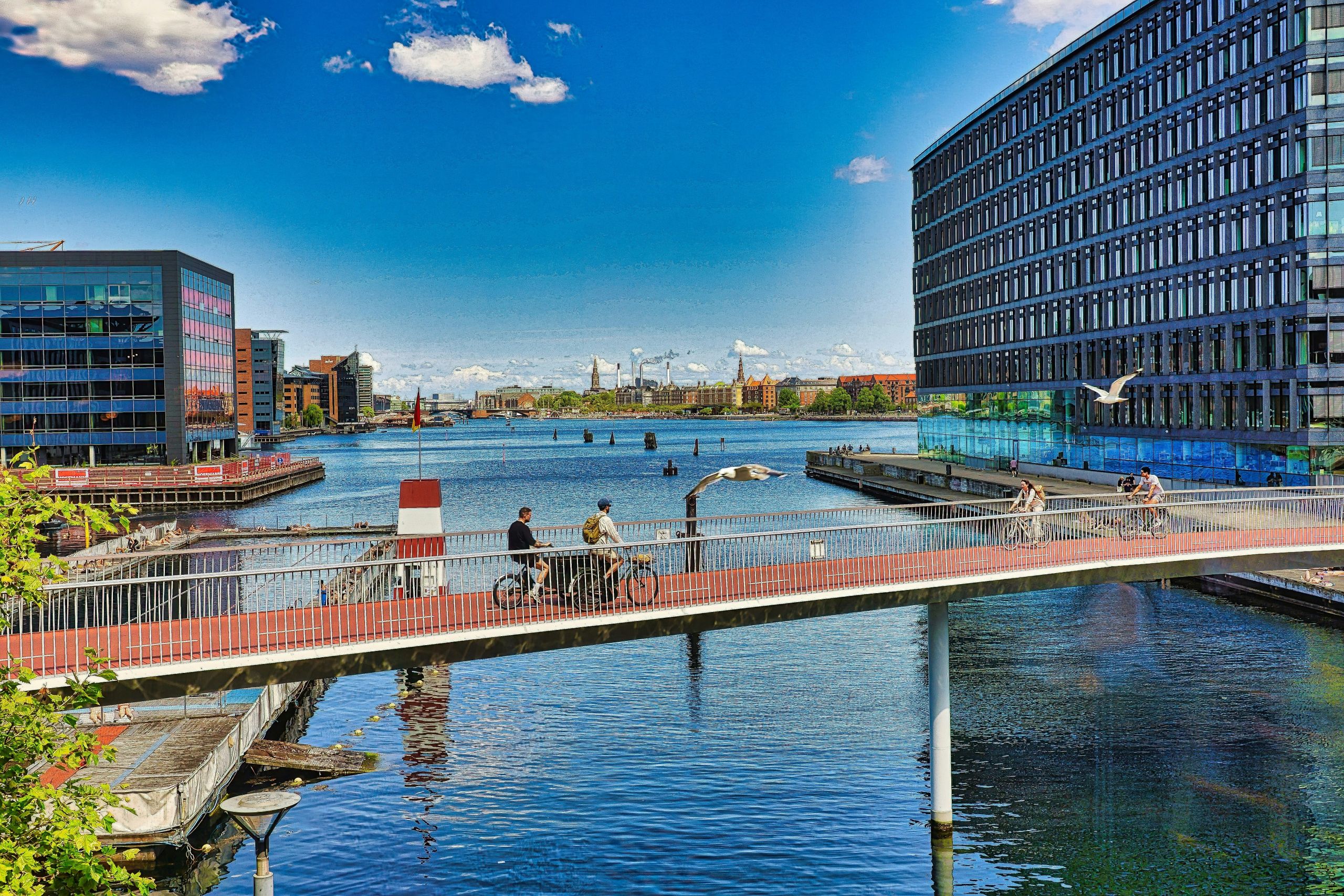
The Agreement's ambition and scope could then be expanded, with zero-emission zones for freight trucks folded in.
In this case, cities created the evidence base to de-risk national law, reinforcing that municipal pilots solve problems beyond their local scope.
Transformation ripples city by city
Across electric vehicles, public procurement and low-emission zones, the pattern holds. Cites can be frontrunners to test climate ambitions, building out the market and policy environment needed for innovations to take flight.
That sentiment was expressed by Ewa Ptaszyńska from the European Climate, Infrastructure and Environment Executive Agency at the Forum.
"Europe has a real opportunity to strengthen competitiveness by getting cities, industry, investors and innovators to actually work together and build larger and more integrated market for innovative mobility solutions."
As conference participants showcased work across all levels of government, the message resounding from the Forum was clear. Europe's competitiveness strategy should recognise cities not only as places that carry out the transition, but as customers, market-makers, and legislative engines that help European solutions reach scale.