Barbara Jarkiewicz
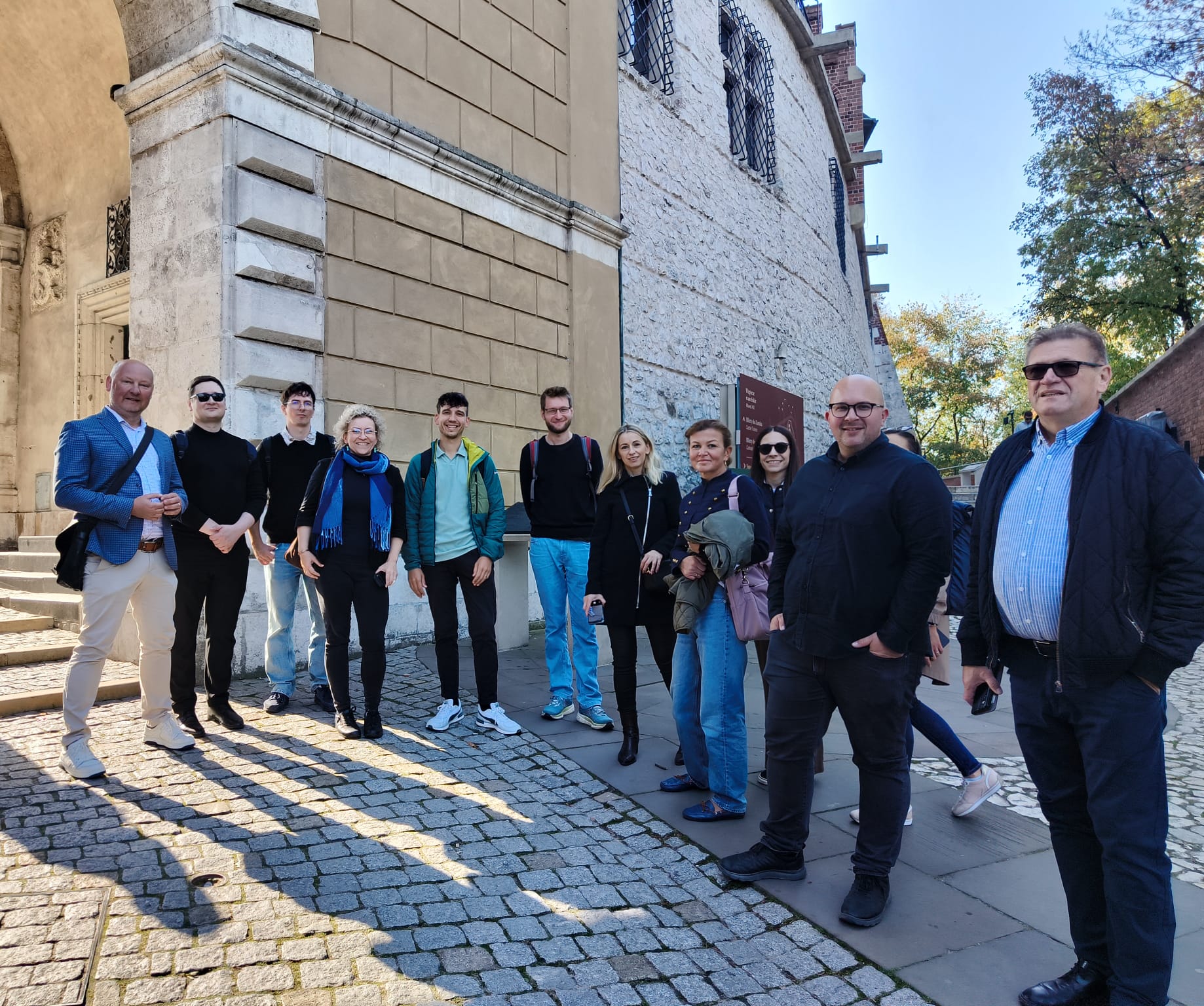
When representatives from Würzburg, Križevci and Debrecen came to Kraków in early October, they saw plenty of the physical infrastructure behind the city's climate transition. They visited green public spaces, discussed building renovation and clean energy, and toured the Płaszów wastewater treatment plant. But much of the conversation kept coming back to something less tangible: how do you bring people with you?
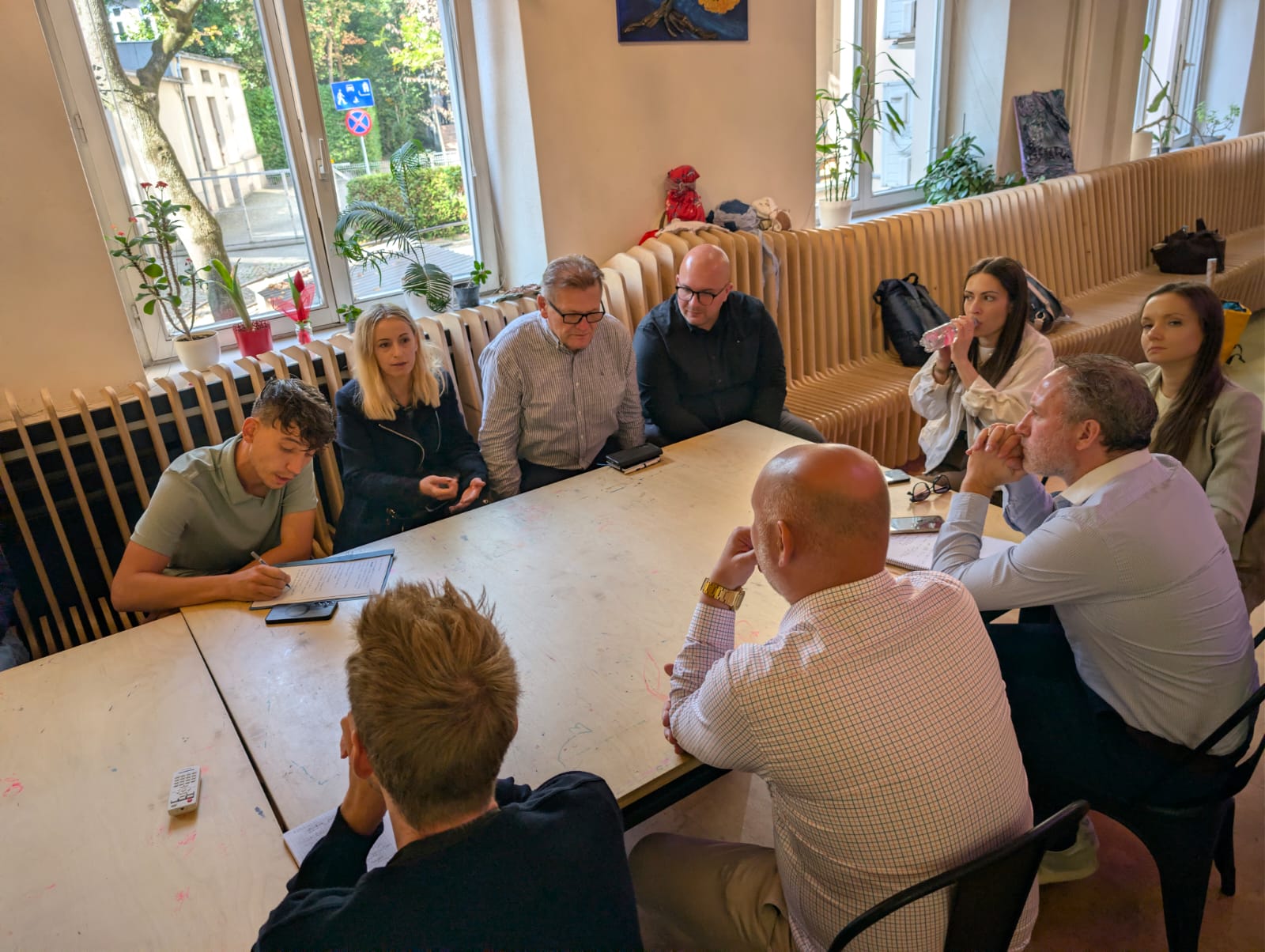
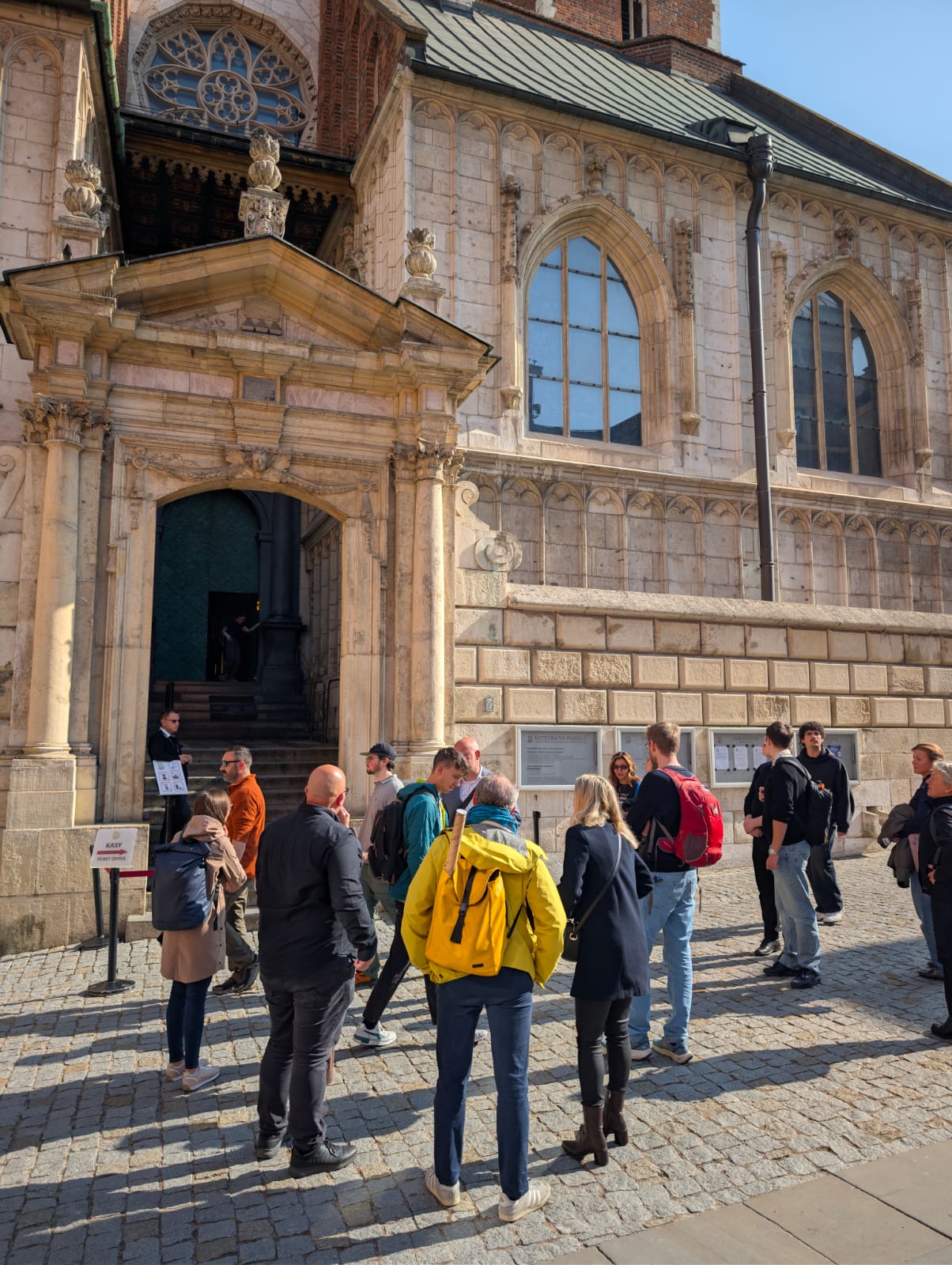
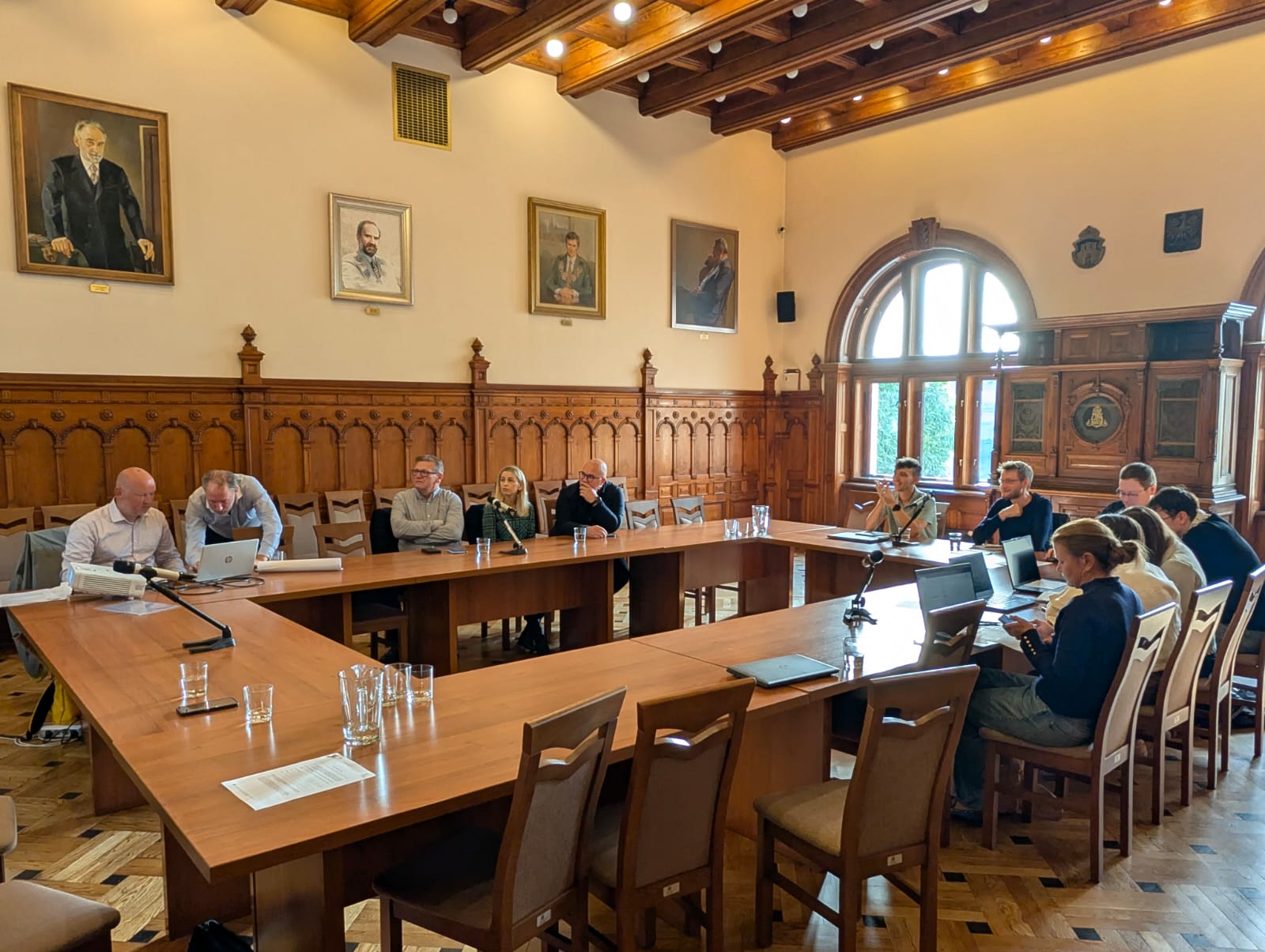
The three cities were in Kraków from 5 to 7 October as part of the NetZeroCities Group Study Visits, which give cities a chance to learn directly from Mission cities and explore which approaches could work back home. Kraków used the visit to share its experience of climate governance, urban renovation and citizen engagement, while the visiting cities brought their own challenges to the table.
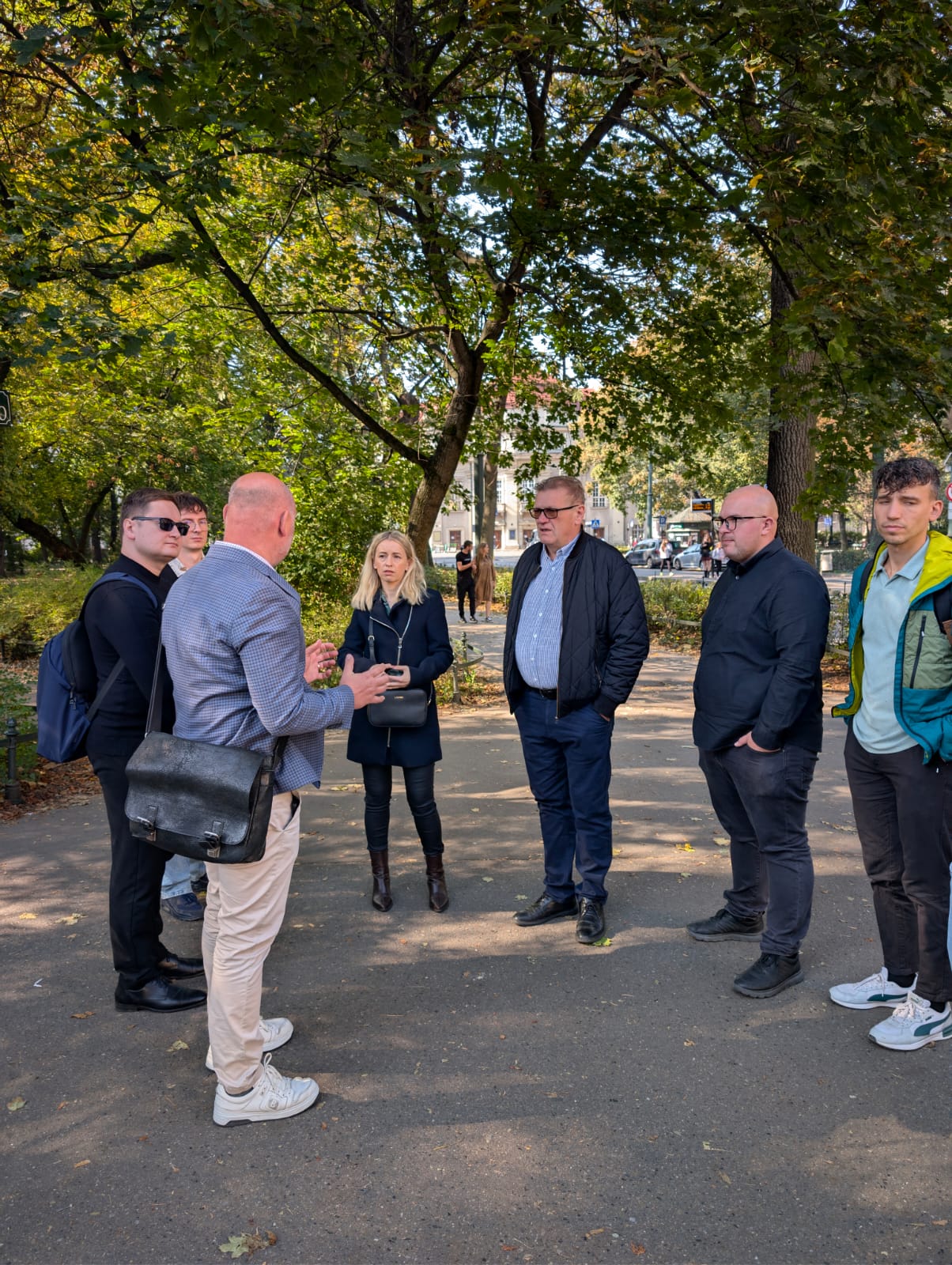
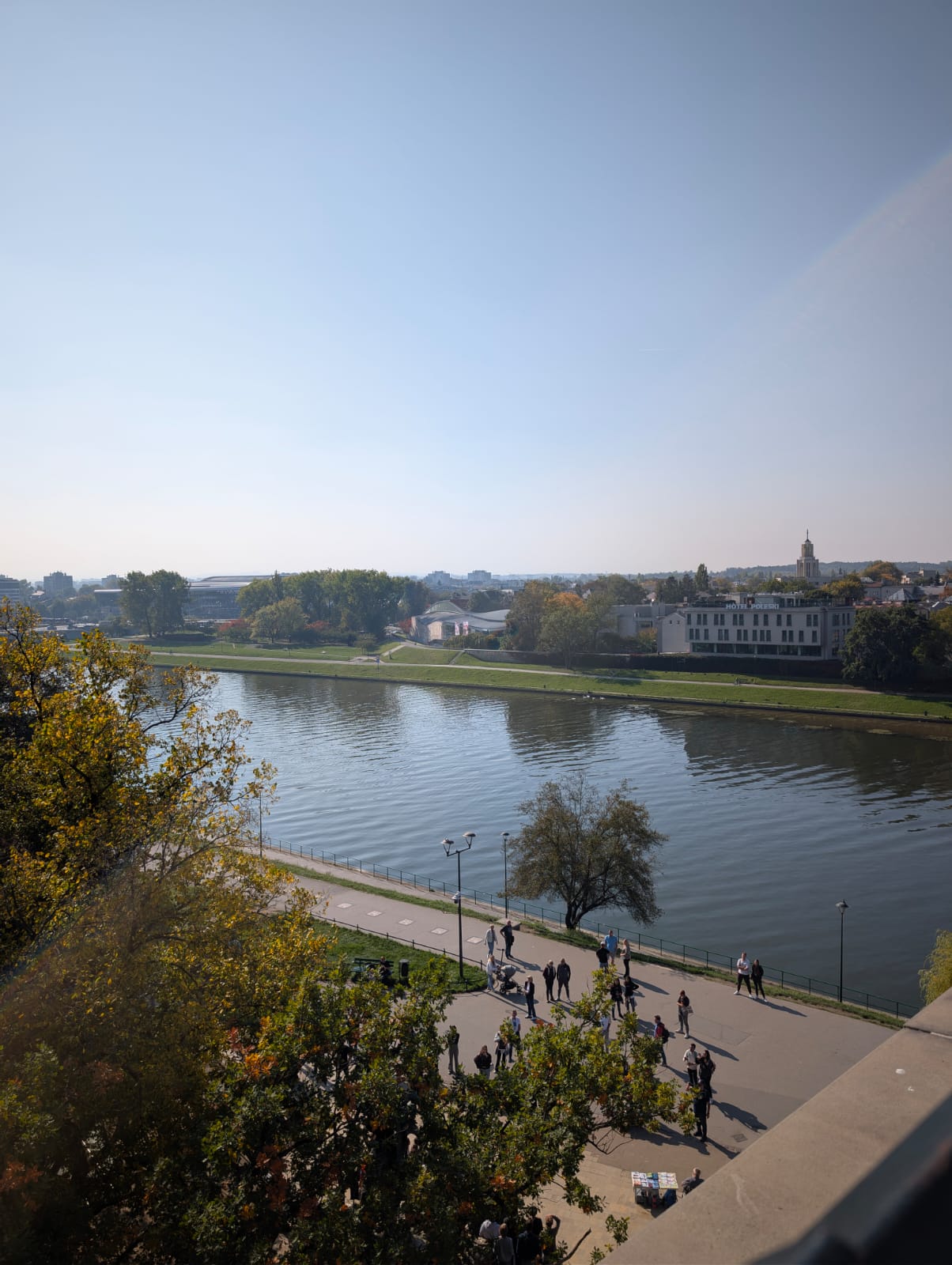
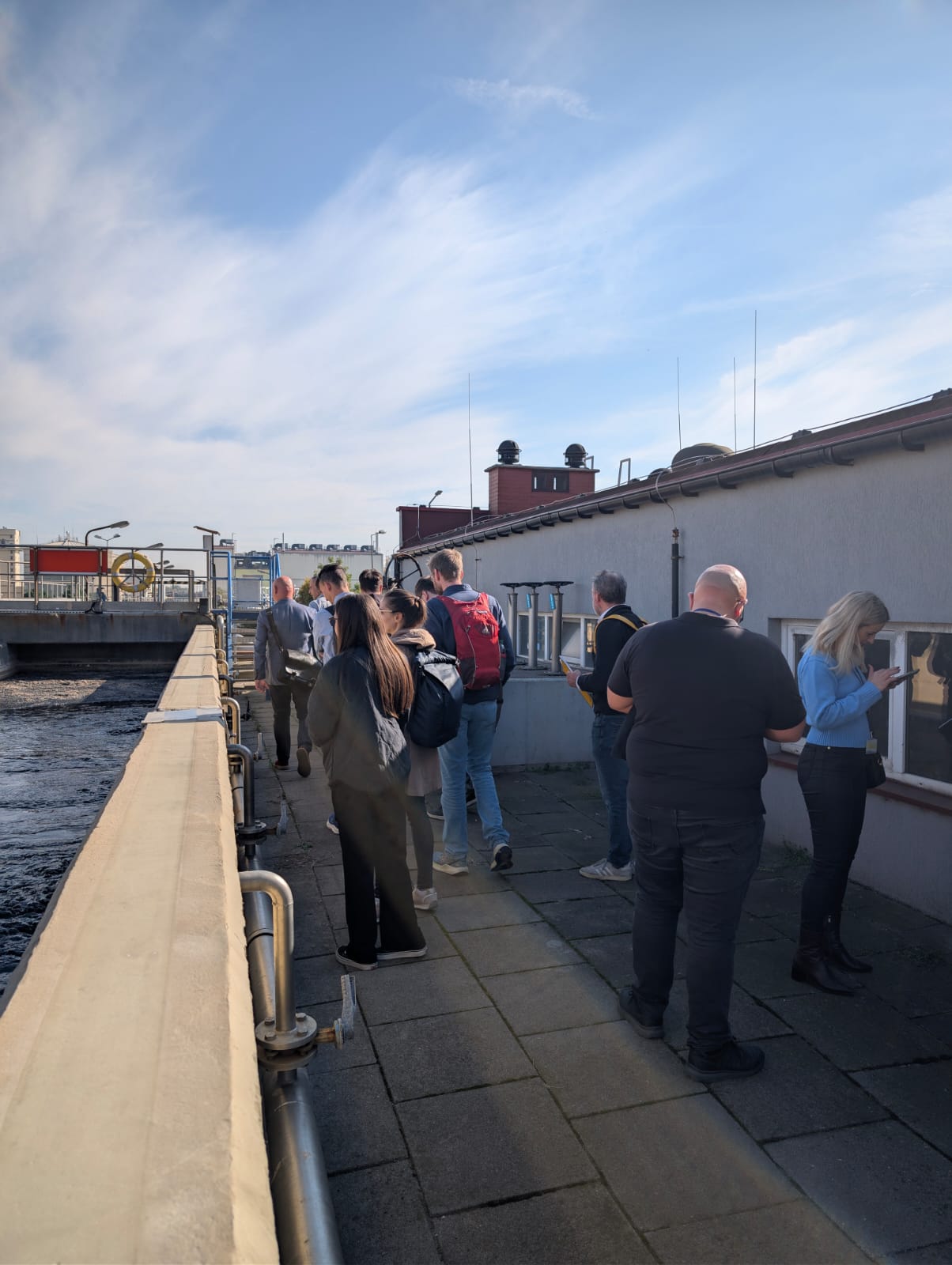
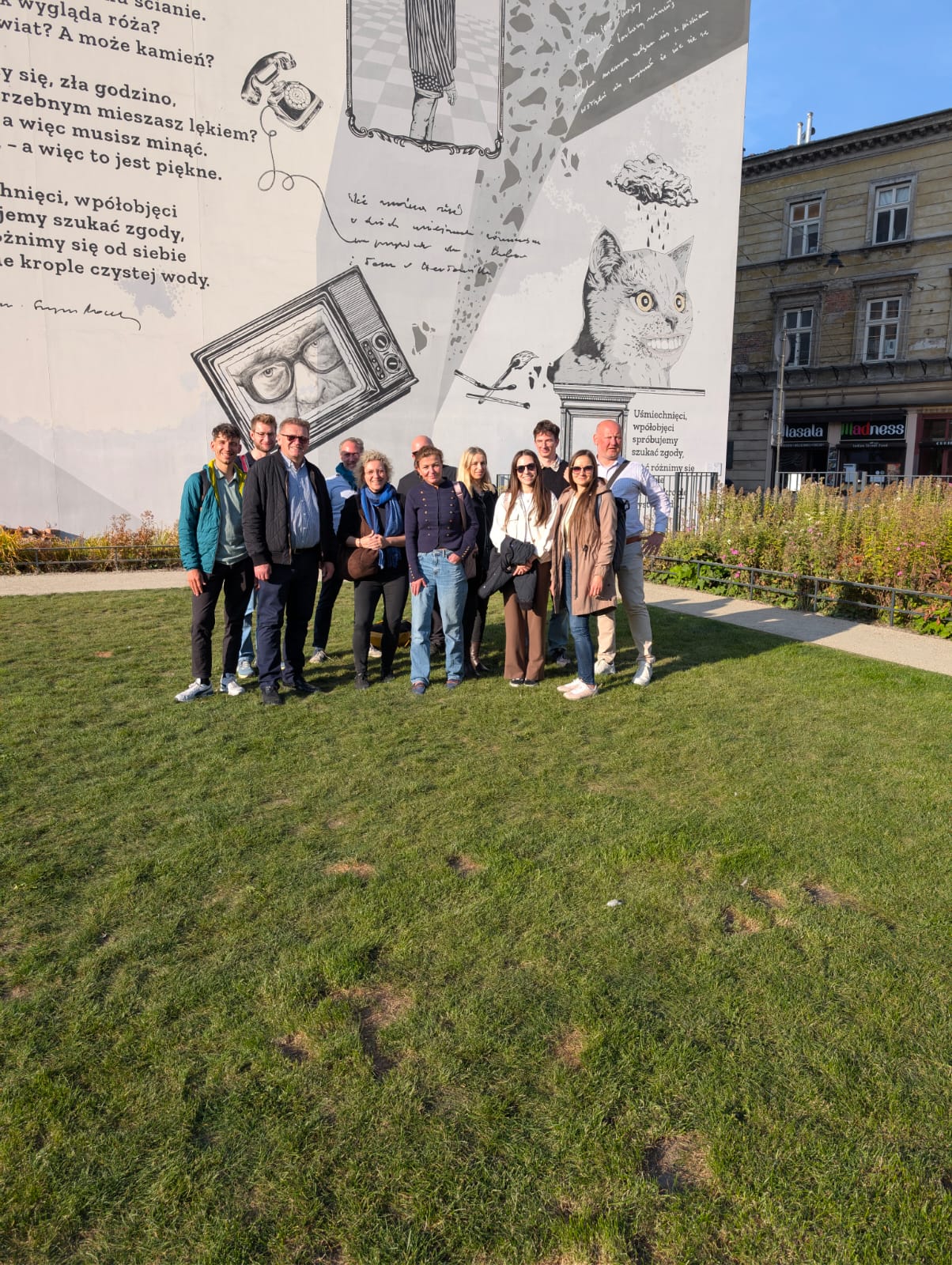
Across the three days, the programme moved between strategy and practice. Participants discussed Kraków's Climate City Contract, emissions priorities and governance, visited green-blue infrastructure and the Płaszów wastewater treatment plant, learned about the NEEST work on building and neighbourhood renovation, and explored public spaces including, Planty, Krupnicza Street and Wisława Szymborska Park. On the final day, the visiting cities worked together on action plans, identifying which of Kraków's approaches could be adapted to their own local contexts
For Grzegorz Grzybczyk, Head of the Climate Unit at the City of Kraków, participation and public understanding are fundamental to everything else a city wants to achieve.
"We try to involve citizens in as many ways as possible because, as the saying goes, alone you can go fast, but together you can go far. And knowledge is the foundation of climate action. With so much misinformation around climate change, credible education matters more than ever. People need reliable information to make informed choices and to play an active role in protecting our environment."
That philosophy has translated into a mix of formal participation and everyday engagement. Kraków runs the Climate Panel, climate education activities for children, documentary screenings, quizzes, school activities and tree planting. The city's Climate Education Centre provides a permanent space where residents can learn about climate change and practical action. During the visit, the delegation visited the Centre, where its work sparked a lively discussion about citizen engagement and how cities can build climate awareness and public support over the long term.
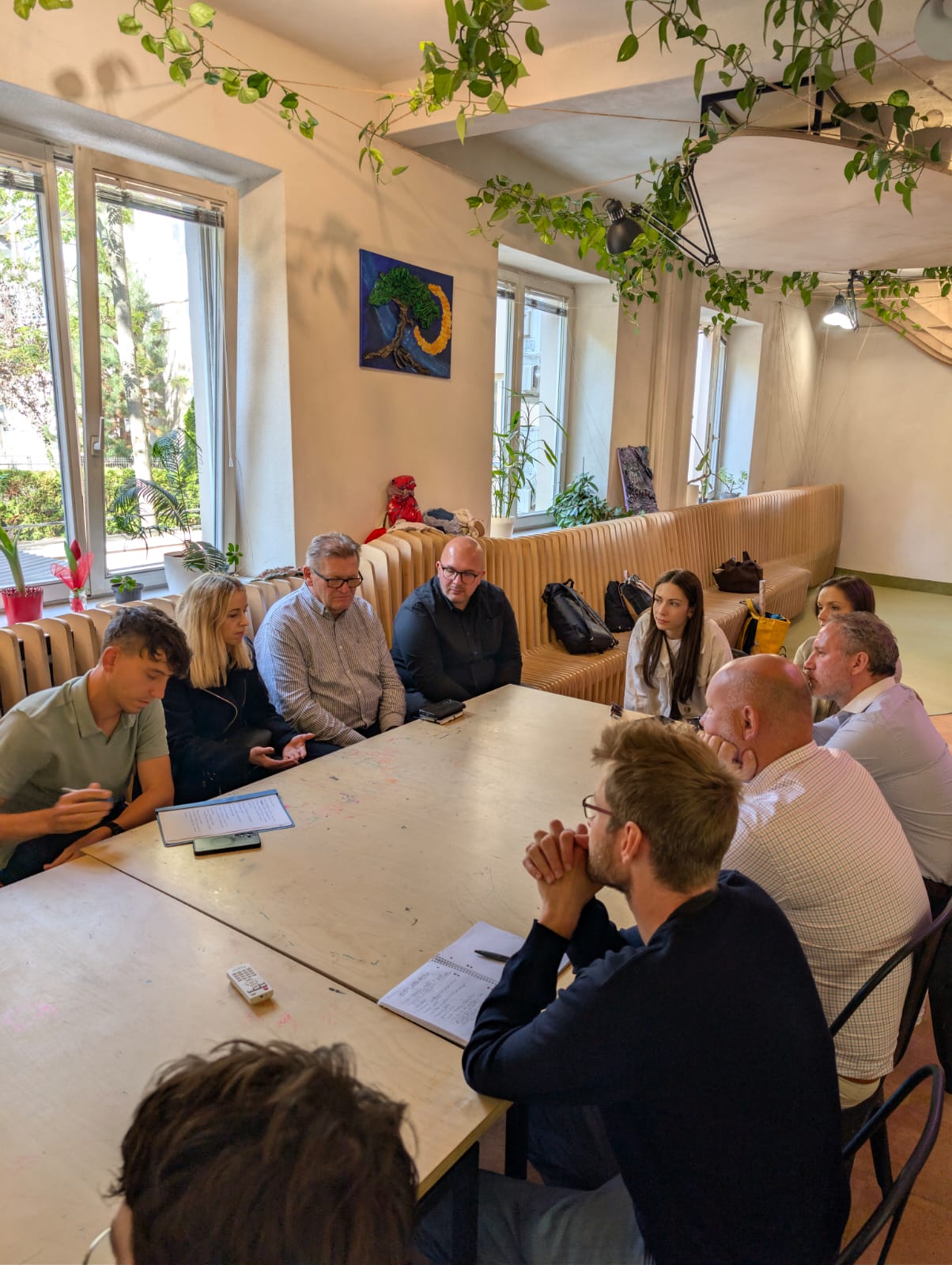
That long-term approach caught the attention of the visiting cities. Luis Pototzky from Würzburg said the Climate Education Centre was one of his main takeaways from the visit. What interested him was the idea of building knowledge first, so people better understand why climate measures are being introduced and can participate in the discussion around them.
“Through the Group Study Visit, we wanted to learn from Kraków how to develop more holistic approaches to redesigning urban spaces, while engaging citizens and local stakeholders early enough to build broader support for the transition,” Pototzky said.
Križevci arrived with a similar question. The Croatian city is renovating public buildings, supporting solar panels on family homes and expanding public transport, cycling infrastructure and charging stations. It is also exploring geothermal energy and future green hydrogen production. Yet Marija Podolski described citizen participation as one of the city's persistent challenges, whether encouraging better waste separation or deeper involvement in climate action. "Through the Group Study Visit, we want to learn from other cities how they engage citizens and stakeholders."
Debrecen, meanwhile, brought the challenge of connecting initiatives that already exist. The Hungarian city is working on sustainable mobility, transport and energy and already uses participatory planning, but projects often remain separate from one another. "The challenge is that many of these activities still happen separately," said Orsolya Vékony, Urban Development Senior Expert at the City of Debrecen. "One of the things we came to learn from the Group Study Visit is how to connect these different strands of work more effectively and turn individual projects into a more coherent city-wide approach."
Kraków's own experience suggests that citizen engagement does not always need to begin with climate language. Grzybczyk pointed to the city's participatory budget, where residents regularly choose projects involving greenery, parks and pocket parks. People may vote for them because they want a more beautiful neighbourhood, shade on a hot day or somewhere pleasant to spend time rather than because they see themselves as voting for climate action. But the outcome can be the same: greener spaces that make the city more resilient and improve everyday life.
That may be one of the most transferable lessons from the three days in Kraków. Climate transformation can involve complex technologies, financing models and governance structures, but people experience it through their homes, streets, heating bills, parks and journeys across the city.
For Kraków, creating opportunities to understand and influence those changes is part of the infrastructure of the transition itself. "We present a variety of our solutions, but we strongly believe that dialogue is a very important part of cooperation between cities," Grzybczyk said. "We also want to learn from the others."
That exchange is exactly what the Group Study Visits are designed to create, giving cities space to share what has worked, be open about what remains difficult and adapt ideas rather than simply copy them.
And in Kraków, one message came through clearly in those conversations: climate action travels further when people understand why it is happening and have a role in shaping it.