Pioneering municipalities have the ambition for climate action, says NetZeroCities' programme director, but national governments will also have to empower them to deliver.
Writing on the Economist's Resilient Futures platform during COP31, Thomas Osdoba says the responsibility on cities to deliver climate action must be matched by national governments willing to listen and react to what those cities need.
Ambitious cities, especially in the EU Cities Mission, continue to show innovative solutions to common city problems, but "this capacity cannot depend on a handful of pioneering municipalities," says Osdoba.
With local governments responsible for an estimated 70-80% of actions to realise the Paris Agreement, the power of cities to shape plans they must deliver is insufficient.
The problem goes beyond money. For cities – and especially smaller cities – with promising climate projects, finance is not the only barrier: they also need the right staff and access to expertise.
"More finance is necessary, but funding announcements alone will not produce viable projects.
"Cities need help to develop business cases, combine smaller investments and negotiate with lenders. National funding rules must also reflect how climate systems work locally, across housing, energy and transport."
Dijon, a Mission City in France, provides an example of how municipalities can address investment constraints by establishing public-private entities to pool smaller projects and mobilize additional financing. Dijon Métropole created SEM Énergies to aggregate energy-transition projects, facilitating private investment in initiatives that might otherwise be difficult to finance individually.
Another is Oslo's innovative municipal procurement, giving authorities power to regulate emissions on private construction sites and speeding the sector's decarbonisation with its buying power.
A local voice on the global stage
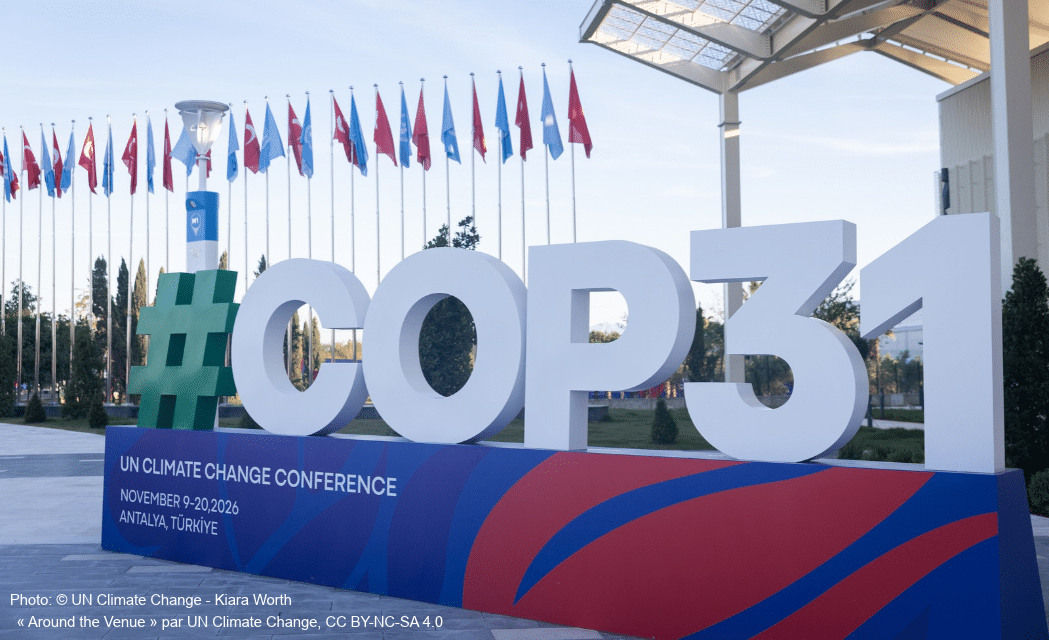
At COP31, the message for national governments was delivered by Local Governments and Municipal Authorities (LGMA) Constituency, setting out priorities for participants, including on a just transition and multilevel climate finance.
"National leadership remains essential," says Osdoba, and governments "must set common standards, align regulation, mobilise resources and ensure that wealthier and poorer places can act."
Ultimately, the problem will not be solved with more ambition but a stronger two-way relationship "between the levels of government that set the rules and the places expected to deliver the results," he says.
"Such a relationship is built on trust, and trust grows from transparency: national governments being open about where funding and investment are heading, and cities being open about what they are achieving and where they are stuck."
Through the Mission, says Osdoba, the relationships between national and local governments are growing, and shared transition plans have been created with public authorities, businesses, and citizens through Climate City Contracts (CCC).
Outlining investment needs alongside emissions goals, a CCC makes "responsibilities and dependencies visible across sectors. A city can show what it is prepared to do, what it needs from others and how to mobilise the required capital," he says.
"The value of this approach is already evident in cities that are turning climate commitments into practical results."
Bring together responsibility and power to act
Local services are obliged to protect people at risk, for example, during a heatwave, yet cities often have to take responsibility in places "without a meaningful say over the regulations, funding and investment decisions on which those outcomes depend," creating a "costly mismatch," Osdoba says.
European climate chief Wopke Hoekstra's recent warning that the continent must prepare for a world 3°C warmer by the end of the century is "a welcome recognition that good intentions need accountable institutions," says Osdoba.
"COP31 can take that logic further, across emissions reduction and adaptation, by matching responsibility with authority, finance and delivery capacity."
Ultimately, its success "should be judged by more than the commitments announced [and] measured by whether cities can renovate homes, strengthen resilience and build cleaner, more affordable energy systems."
For more innovative examples about what cities are doing inside the EU Cities Mission, take a look at some of our publications during COP31: