Author: Barbara Jarkiewicz
A decade ago, the energy transition seemed relatively straightforward. Replace fossil fuels with renewable energy, improve efficiency and emissions would fall. Cities now know it is far more complicated than that.
As climate neutrality moves from ambition to implementation, local governments are discovering that progress depends on far more than technology. Success now hinges on institutions, investment, public participation and the ability to align diverse stakeholders around a shared vision. Producing clean energy remains essential, but cities are also learning how to integrate it into the fabric of urban life through governance, finance and collective action.
That lesson is emerging from the 112 cities participating in the EU Cities Mission. Guided by their Climate City Contracts and supported through the Pilot Cities Programme, cities are experimenting with new approaches to decarbonising energy systems. From flexible electricity networks and clean heating solutions to local energy communities and positive energy districts, they are exploring different pathways towards climate neutrality.
In the process, a broader reality is becoming clear. The energy transition is also reshaping governance, finance and the relationship between cities and their citizens. The solutions may look different in Copenhagen, Kozani, Leuven or Trondheim, but they point in the same direction.
The next challenge for clean energy
Clean energy is no longer the finish line. For many cities, it is the starting point. As renewable electricity becomes more abundant, attention is shifting towards a more complex question. How can cities use energy more intelligently, reduce pressure on the grid and optimise the use of every kilowatt?
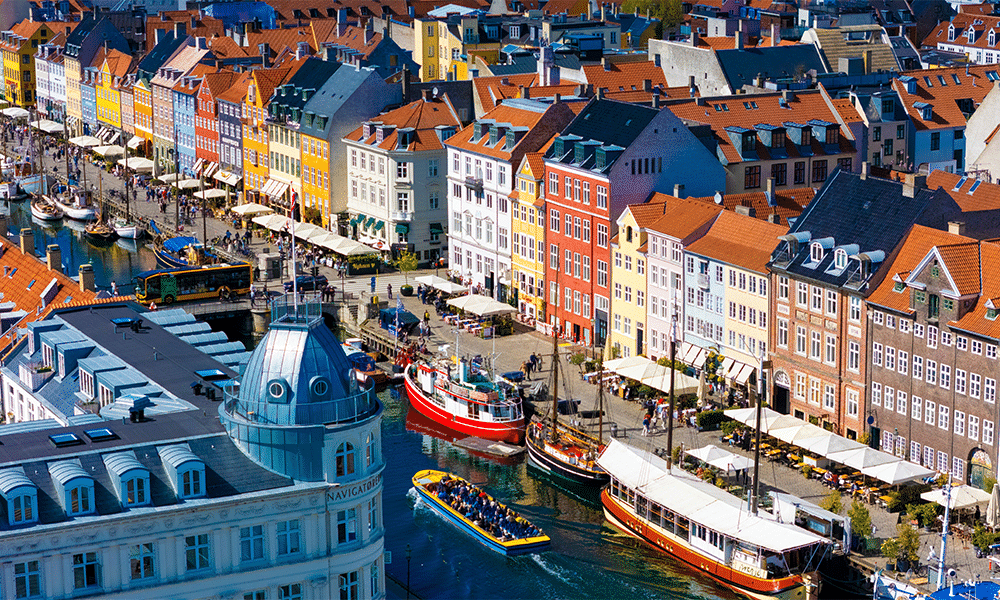
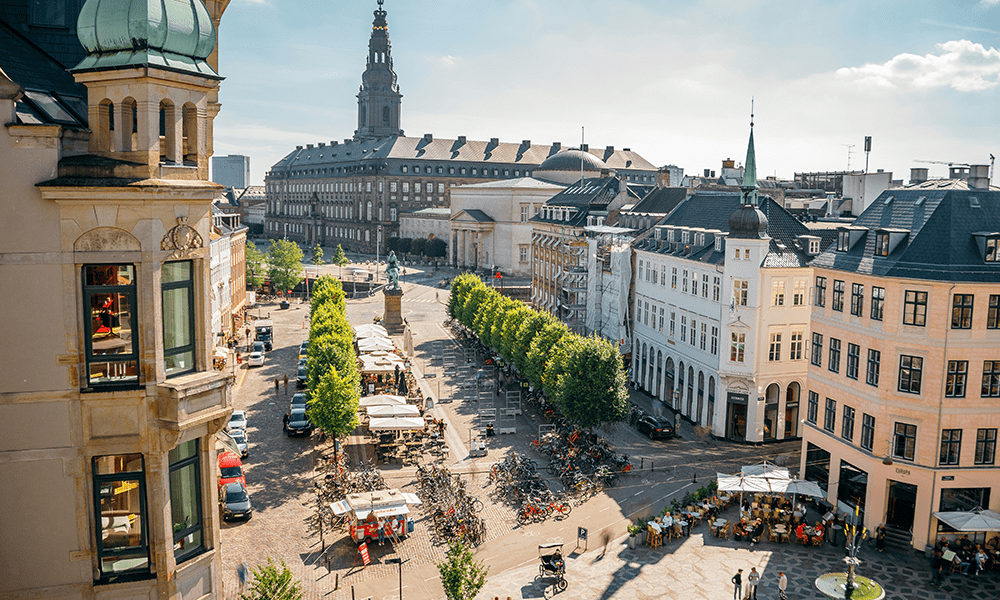
Copenhagen is exploring answers through its Flexumers4Future pilot project, which enables buildings to adapt their energy consumption according to conditions on the grid. Homes, offices and public buildings become active participants in the energy system, helping balance demand and making better use of renewable electricity when it is available.
The approach reflects a broader shift taking place across Europe. Energy systems built around predictable demand and centralised supply are giving way to more dynamic models where buildings, communities and infrastructure respond to changing conditions in real time.
As part of their Dutch 100CNSC Cities Pilot, The Hague is pursuing similar ambitions through neighbourhood-scale energy systems that connect local generation, storage and consumption. Together, these experiments point towards a future where flexibility becomes as valuable as generation itself. The challenge increasingly extends beyond energy production to the way energy is managed across buildings, neighbourhoods and entire urban networks.
Reimagining heat and local economies
Heating remains one of the most difficult pieces of Europe's climate puzzle. Many cities still rely on systems built around fossil fuels, while others face the additional challenge of transforming local economies that have grown around carbon-intensive industries.
Few places illustrate this more clearly than Kozani in northern Greece. For decades, the city's economy was closely linked to lignite. Today, through its NEUTRON project, Kozani is exploring how climate action can support economic renewal, creating new opportunities for residents and businesses as the city moves beyond its dependence on coal.
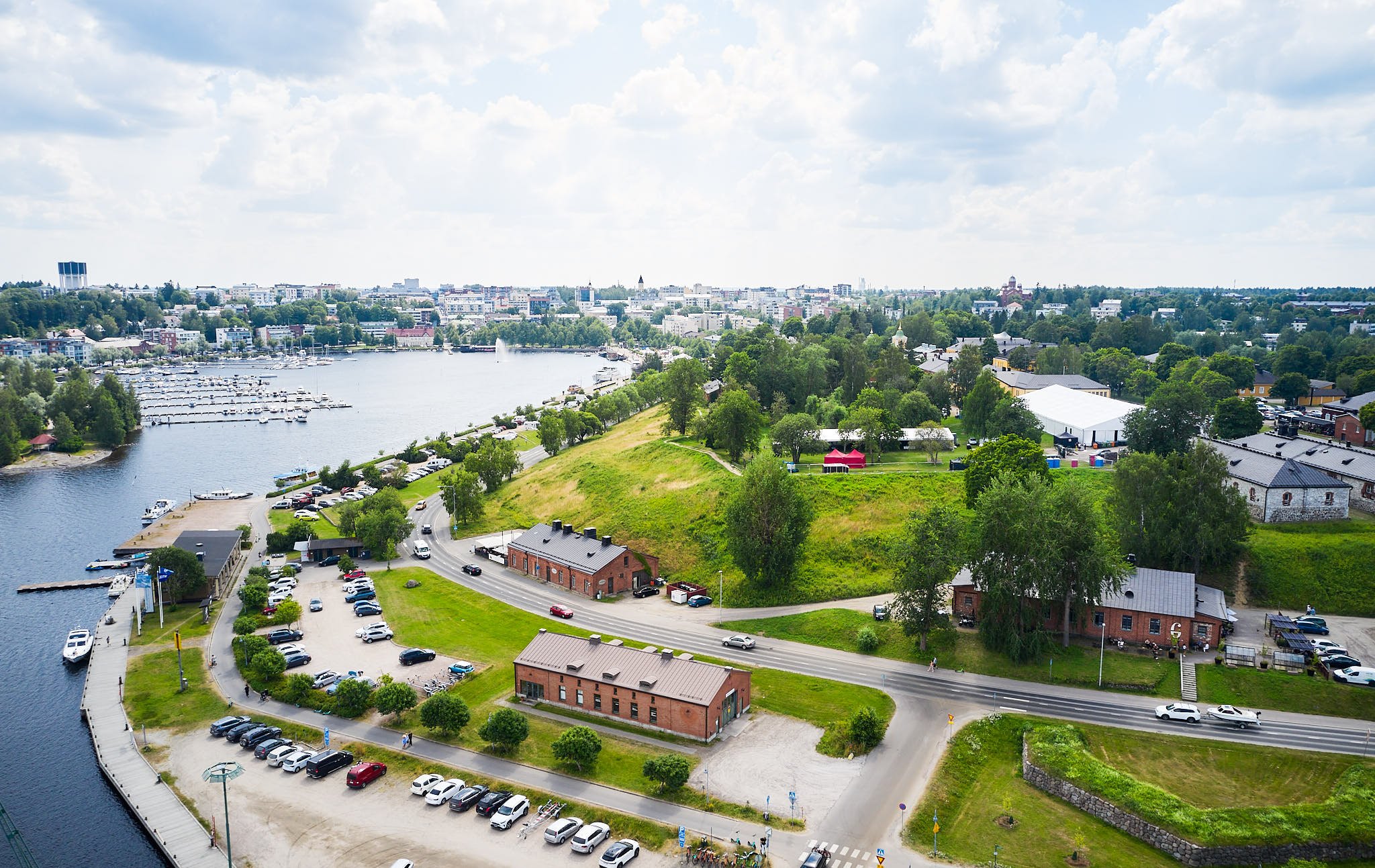
© City of Lappeenranta
The city is developing innovative approaches to renewable energy generation, district heating and digital innovation while ensuring that the benefits of the transition remain rooted in the community.
Similar questions are emerging elsewhere. In the Co-Shape pilot project of Aarhus, efforts to decarbonise heating systems are prompting new forms of collaboration between city authorities, utilities and residents.
With the BeyondEE project, Lappeenranta is exploring how greater flexibility within district heating systems can reduce emissions while maintaining reliability, demonstrating how cities can improve existing infrastructure rather than replacing it.
Across Europe, cities are discovering that reducing emissions from heat requires long-term planning, public trust and new ways of organising investment. The transition to clean energy is reshaping local economies as much as local infrastructure.
Turning collaboration into climate action
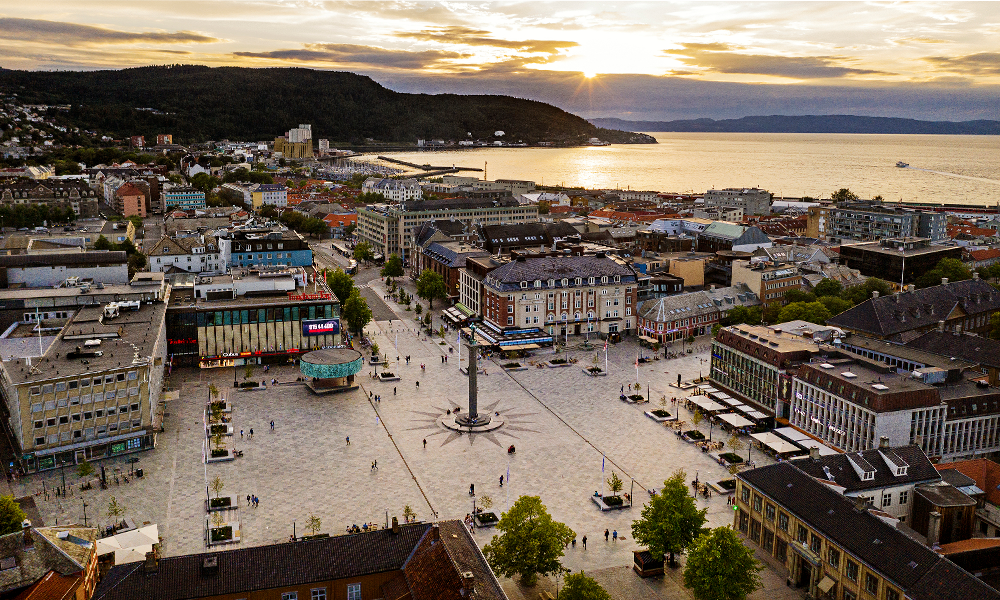
Some cities are already looking beyond individual projects towards entirely new models of urban energy. Trondheim has spent years exploring how neighbourhoods can generate, share and manage energy collectively. Through pilot work on positive energy districts and local energy markets, the city is helping demonstrate how communities can become active participants in energy systems rather than passive consumers.
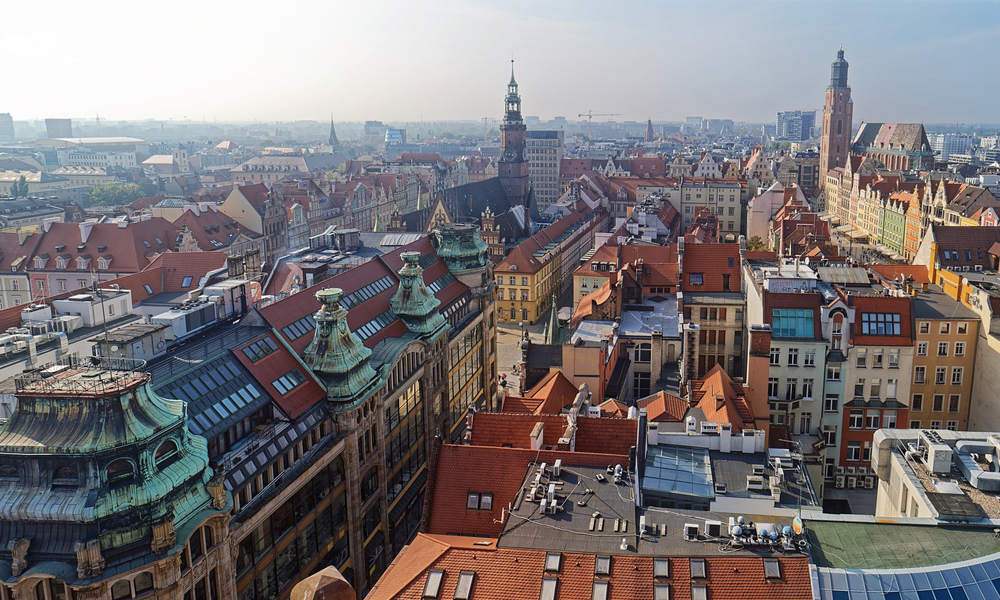
A similar approach is emerging in Wrocław in Poland, where efforts to build an energy cluster are bringing together public and private actors to strengthen local energy resilience and support the city's long-term decarbonisation goals.
These initiatives also recognise that future energy systems will need to connect electricity, heating, mobility and digital technologies in ways that traditional infrastructure was never designed to do.
What unfolds is a vision of cities as integrated energy ecosystems where production, storage, consumption and flexibility operate together, with a broad range of stakeholders involved. The transition is becoming increasingly local, increasingly connected and increasingly dependent on cooperation between public authorities, businesses and citizens.
Building the energy systems of the future
If technology provides the tools, governance determines whether change happens at scale. Climate neutrality touches every aspect of urban life. Energy, buildings, mobility, planning, waste management and economic development are deeply interconnected. Yet city administrations have traditionally been organised in separate departments with separate priorities.
Leuven has become one of Europe's most compelling examples of a different approach. Through its work on decarbonising heating in Lighthouse Districts, the Belgian city has brought together local government, businesses, universities, civil society organisations and residents around a shared vision for climate neutrality. The process has also changed the way the city itself works.

© Shutterstock Leuven, Belgium, July 7, 2023: People, Tourists, Walking, Down, Pedestrian
"It's beneficial to work on different climate themes in one neighbourhood. So, we are trying to speak more to our colleagues from other departments so that we can work more together, which is time and money efficient," says Marie Vanderlinden, Project Coordinator of Leuven's Pilot City Activity.
The comment captures a challenge that many cities are now confronting. Energy, mobility, housing and finance can no longer be treated as separate policy areas if cities hope to reduce emissions at the pace required.
This principle sits at the heart of Climate City Contracts, which provide a framework for aligning governance, investment and stakeholder engagement around a shared pathway towards climate neutrality.
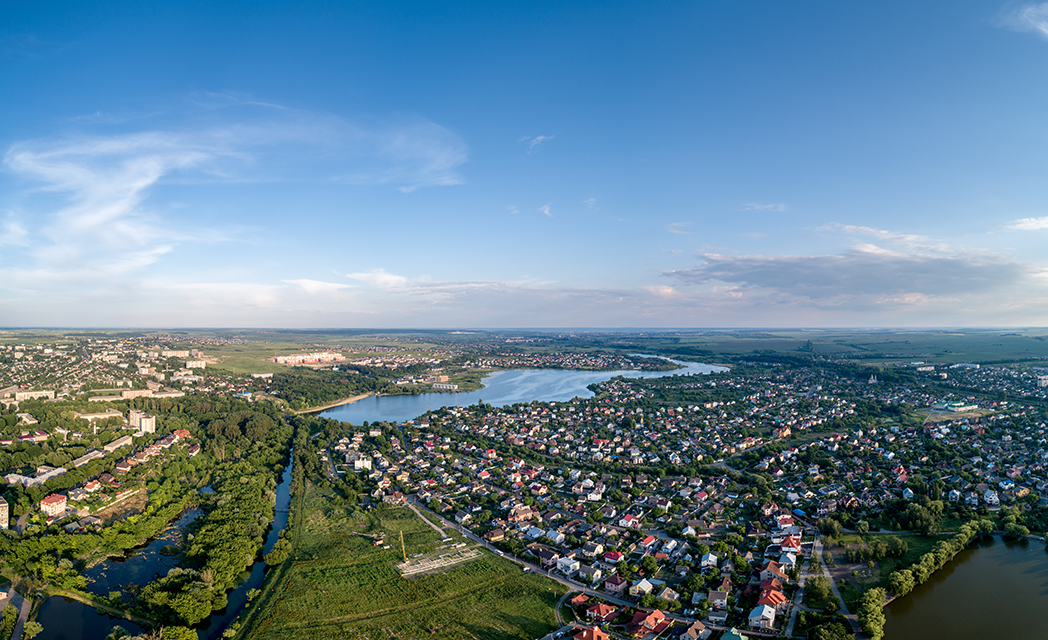
Rivne offers another example of this shift. In this Ukrainian city, the process of developing a long-term climate vision has become a foundation for future energy investments and strategic decision-making, helping ensure that individual projects contribute to a wider transformation.
In Kraków, city authorities are similarly exploring how governance structures, partnerships and long-term planning can accelerate the transition towards cleaner and more resilient energy systems.
The technologies needed to reduce emissions are often available. The harder task is organising institutions, stakeholders and resources around a common mission.
Rewiring cities
Taken together, these initiatives reveal the diversity of pathways emerging across Europe. While the solutions differ, the direction of travel is remarkably similar. Pilots and experiments are essential. Cities are testing new technologies, governance models, financing approaches and partnerships. The challenge now is embedding successful ideas into mainstream urban development.
As Marie Vanderlinden reflects on Leuven's experience, "Everything we're doing there is something we can learn from, but we have to dare to take steps, even if we are not sure they will work." That mindset increasingly defines the cities making the fastest progress towards climate neutrality. Learning, adaptation and experimentation are becoming essential capabilities.
The next decade will be defined by whether cities can embed solutions into the systems that shape everyday urban life. Energy remains at the centre of that challenge. The energy transition began as a conversation about technology. Today, it encompasses governance, finance, citizen participation and institutional change. How decisions are made, how investment flows and how communities participate in the transition. In the process, they are redefining what an energy system is. And more importantly, what a climate-neutral city can become.